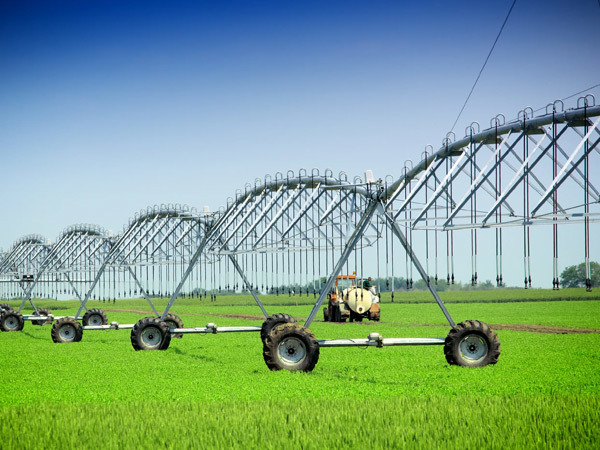
A high-tech enterprise specializing in large-scale sprinkler irrigation and water and fertilizer integration


Global Agriculture Turns to Drip Irrigation Pipes as Water Scarcity and Efficiency Demands Intensify
Release time:
Nov 28,2025
Drip irrigation pipe demand surges as farms worldwide adopt water-efficient systems to boost crop yields, cut costs, and support sustainable agriculture.
[Agricultural Technology News – Global]
The global agricultural sector is undergoing a major transformation as drip irrigation pipe systems rapidly gain adoption across farms, greenhouses, orchards, and landscaping projects. Faced with rising water scarcity, climate uncertainty, and the need for higher crop yields, growers are shifting toward precision irrigation technologies that maximize efficiency while minimizing resource waste.
Water Shortages Drive Surge in Drip Irrigation Pipe Deployment
As drought conditions spread and freshwater availability declines in regions such as South Asia, the Middle East, Africa, and Western North America, governments and farmers are seeking efficient ways to manage limited water supplies.
Drip irrigation pipes deliver water directly to the plant root zone through controlled emitters, reducing evaporation losses and eliminating runoff. Environmental analysts confirm that drip systems can cut water consumption by up to 60% compared to traditional flood irrigation.
This growing concern over sustainability has made the drip irrigation pipe a primary component of modern water-saving strategies worldwide.
Farmers Demand Higher Yields and Lower Operating Costs
With global food consumption on the rise, agricultural producers are under immense pressure to increase productivity. Traditional irrigation often leads to uneven watering, soil compaction, and nutrient depletion, negatively affecting crop performance.
In contrast, drip irrigation pipes ensure consistent moisture levels and improve nutrient absorption, resulting in stronger plant growth and higher yields per hectare.
Economists note that operational costs also decrease as farms require less labor and energy to maintain irrigation, making drip systems economically attractive from both short-term and long-term perspectives.
Technological Innovations Strengthen Market Momentum
Manufacturers of drip irrigation pipes are introducing new materials and designs aimed at improving durability and performance. Recent innovations include:
UV-resistant polyethylene for long outdoor lifespans
Anti-clogging emitters for reliable water distribution
Pressure-compensating drip lines for uneven terrain
Smart irrigation integration using IoT sensors and automated controls
These upgraded solutions help farmers maximize output with minimal maintenance. Smart systems allow growers to monitor soil moisture, flow rates, and nutrient injection in real time, further reinforcing the role of modern drip lines in precision agriculture.
Greenhouses and High-Value Crop Production Expand Usage
High-value crops such as strawberries, berries, grapes, tomatoes, and vegetables rely heavily on precise water management to maintain quality and consistency.
Drip irrigation pipes offer ideal conditions for controlled agriculture, allowing nutrients to be delivered directly through fertigation systems without waste.
Greenhouses, nurseries, and hydroponic farms worldwide have expanded their drip line installations, driven by the need for stable production regardless of season or climate variability.
Government Policies Accelerate Industry Adoption
Countries including India, China, Israel, Spain, and the United States have introduced subsidy programs and agricultural modernization plans supporting micro-irrigation technologies.
These policies aim to increase crop resilience, conserve water resources, and improve food security.
Industry analysts report that the drip irrigation pipe market has benefited from billions of dollars in government incentives, particularly in regions where water efficiency has become a national priority.
Environmental Benefits Boost Global Acceptance
Aside from saving water, drip irrigation reduces soil erosion, limits weed growth, and minimizes fertilizer runoff into groundwater.
Environmental organizations emphasize that widespread adoption of drip irrigation pipes could significantly reduce pollution and improve long-term soil health.
This has led to collaborations between environmental agencies, agricultural groups, and technology providers promoting sustainable irrigation practices.
Market Outlook Shows Strong Long-Term Growth
The global drip irrigation pipe market is projected to maintain strong growth over the next decade, supported by climate adaptation strategies, farm modernization initiatives, and the accelerating expansion of protected agriculture.
With increased investment in agricultural infrastructure and rising awareness of water-efficient technologies, drip irrigation is expected to become the dominant irrigation method in both developed and developing regions.
Industry Leaders Prepare for the Next Stage of Innovation
Major manufacturers are now focusing on recyclable materials, biodegradable drip tapes, and fully automated irrigation ecosystems.
Experts predict that future drip irrigation pipes will be more intelligent, more efficient, and more environmentally sustainable, positioning them as essential tools in global food production.
Learn more about industry dynamics


New customers enjoy 10% product discount
PRODUCT CENTER
CONTACT US
Address: 2-1-2301, Phoenix International Plaza, High-tech Zone, Jinan City, Shandong Province
Quality of service to win customer satisfaction


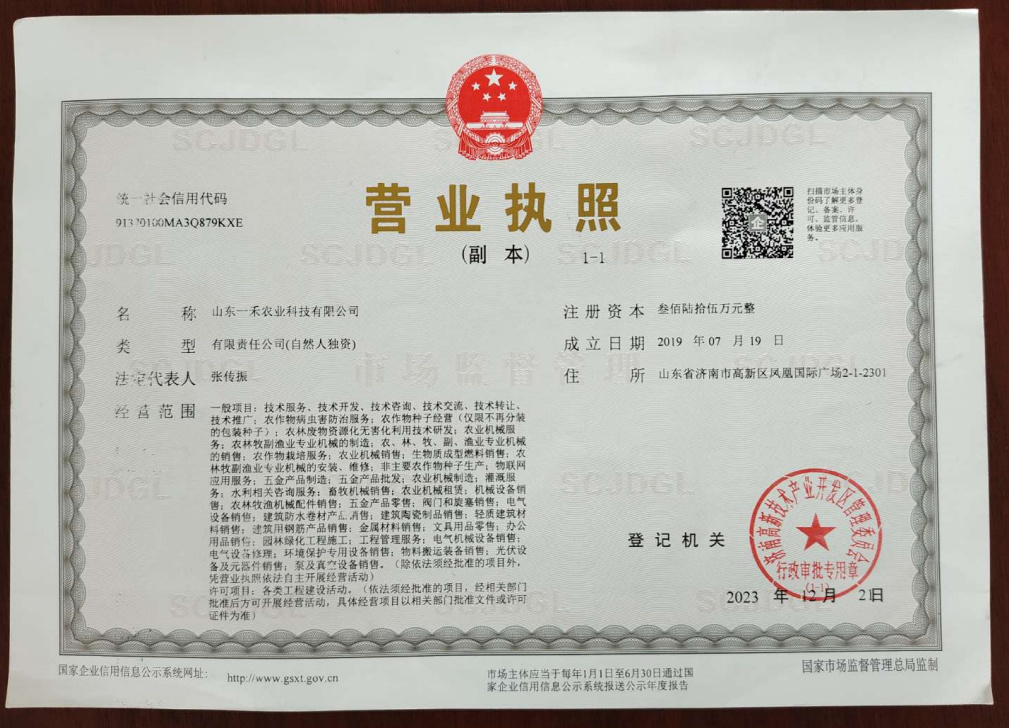
Shandong Yihe Agricultural Technology Co., Ltd. (Shandong Kewo Water-Saving Irrigation Equipment Co., Ltd.)