A high-tech enterprise specializing in large-scale sprinkler irrigation and water and fertilizer integration


The Environmental Impact of Center Pivot Irrigation Systems: A Comprehensive Analysis
Release time:
Sep 26,2026
The Environmental Impact of Center Pivot Irrigation Systems Center pivot irrigation systems are a common sight in modern agriculture, renowned for their efficiency and ability to conserve water. However, their environmental impacts are a multifaceted topic that warrants a thorough examination. In this article, we will delve deep into the various environmental implications of these systems, explori
The Environmental Impact of Center Pivot Irrigation Systems
Center pivot irrigation systems are a common sight in modern agriculture, renowned for their efficiency and ability to conserve water. However, their environmental impacts are a multifaceted topic that warrants a thorough examination. In this article, we will delve deep into the various environmental implications of these systems, exploring both their advantages and challenges.
Table of Contents
- 1. Introduction to Center Pivot Irrigation
- 2. How Center Pivot Irrigation Works
- 3. Benefits of Center Pivot Irrigation
- 4. Environmental Challenges of Center Pivot Systems
- 5. Innovations in Center Pivot Technology
- 6. Case Studies: Center Pivot Irrigation in Action
- 7. Future Perspectives on Center Pivot Irrigation
- 8. Conclusion
- 9. FAQs
1. Introduction to Center Pivot Irrigation
Center pivot irrigation revolutionized farming practices across the globe by providing a reliable method of watering crops. Originally developed in the 1940s, this method has evolved significantly, becoming a cornerstone of modern agricultural practices. By understanding the environmental footprint of center pivot systems, we can better appreciate their role in sustainable agriculture.
2. How Center Pivot Irrigation Works
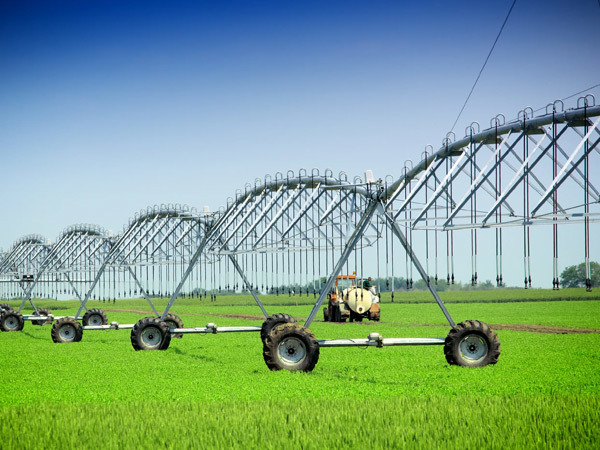
Center pivot systems consist of a series of rotating towers that irrigate crops through a series of sprinklers. The system pivots around a central point, delivering water in a circular pattern, which is particularly effective for large fields. This design minimizes water waste and maximizes coverage, ensuring that crops receive the necessary moisture to thrive.
Key Components of Center Pivot Systems
1. **Mainline Pipe**: Carries water from the source to the pivot.
2. **Span**: The length of the arm that rotates around the pivot point.
3. **Sprinklers**: Distribute water evenly across the field.
4. **Control Systems**: Automate the irrigation process, including timing and water flow.
3. Benefits of Center Pivot Irrigation
The advantages of center pivot irrigation systems are numerous. They are designed to enhance water efficiency, reduce labor costs, and improve crop yields.
Water Efficiency
Center pivot systems are highly efficient, with modern technologies allowing for precise water application. They can reduce runoff and evaporation, effectively conserving water resources.
Reduced Labor Costs
Automated systems require less manual labor, enabling farmers to redirect their workforce to other critical tasks on the farm.
Improved Crop Yields
By delivering water directly to the root zone, center pivot irrigation can enhance crop health and productivity, leading to higher yields.
4. Environmental Challenges of Center Pivot Systems
Despite the benefits, there are environmental challenges associated with center pivot irrigation systems that must be carefully managed.
4.1 Water Usage and Conservation
While center pivot systems are efficient, they can still lead to over-extraction of water resources, especially in areas where water is scarce. Over-irrigation can deplete local aquifers and rivers, causing long-term ecological damage.
4.2 Soil Salinity and Erosion
Excessive irrigation can result in soil salinization, particularly in arid regions. Accumulation of salts can degrade soil health and reduce agricultural productivity. Additionally, improper management of irrigation can lead to soil erosion, further impacting land quality.
4.3 Impact on Local Ecosystems
Center pivot irrigation systems can disrupt local ecosystems by altering water flow patterns and affecting wildlife habitats. The introduction of water to arid regions can lead to changes in local flora and fauna.
5. Innovations in Center Pivot Technology
Recent advancements in technology seek to mitigate the environmental impacts of center pivot irrigation systems. Innovations such as precision agriculture, soil moisture sensors, and smart irrigation systems help farmers optimize water usage and reduce waste.
Precision Agriculture
This approach utilizes data analytics to make informed decisions about irrigation schedules and water application rates, ensuring that crops receive the right amount of water at the right time.
Soil Moisture Sensors
By integrating sensors into the irrigation system, farmers can monitor soil moisture levels in real time, allowing for more accurate irrigation practices and reducing the risk of overwatering.
6. Case Studies: Center Pivot Irrigation in Action
Examining real-world applications of center pivot irrigation provides valuable insights into its environmental impacts.
Case Study 1: Nebraska Corn Farms
Nebraska is a leader in corn production, relying heavily on center pivot systems. Studies show that efficient water management practices have led to significant water savings while maintaining high crop yields.
Case Study 2: California Almond Orchards
Almond production in California faces challenges due to water scarcity. Implementing advanced center pivot irrigation techniques has enabled farmers to sustain their crops while conserving water resources.
7. Future Perspectives on Center Pivot Irrigation
The future of center pivot irrigation systems lies in sustainability and adaptability. As climate change impacts water availability, innovations in irrigation technology will be crucial for maintaining food production while protecting the environment.
Agroecological Approaches
Integrating agroecological principles with center pivot systems can enhance sustainability. This includes crop rotation, cover cropping, and reduced chemical inputs, promoting a healthier ecosystem.
8. Conclusion
Center pivot irrigation systems play a vital role in modern agriculture, offering benefits such as increased efficiency and productivity. However, understanding their environmental impacts is essential for sustainable farming practices. By adopting innovative technologies and practices, we can harness the advantages of center pivot irrigation while minimizing its ecological footprint. A careful balance between agricultural productivity and environmental stewardship will be crucial in shaping the future of farming.
9. FAQs
What are the main advantages of center pivot irrigation?
The main advantages include water efficiency, reduced labor costs, and improved crop yields due to precise water application.
Can center pivot irrigation systems lead to water wastage?
While they are designed to be efficient, improper management can lead to over-irrigation and water wastage.
How do soil salinity issues arise from center pivot irrigation?
Excessive watering can lead to salt buildup in the soil, particularly in arid regions, negatively affecting soil health.
What technologies are emerging to improve center pivot irrigation?
Technologies such as precision agriculture, soil moisture sensors, and smart irrigation systems are emerging to optimize water use.
How can farmers mitigate the environmental impacts of center pivot systems?
Farmers can adopt sustainable practices such as agroecological approaches, water conservation strategies, and advanced irrigation technologies to mitigate adverse effects.
By understanding the complex dynamics of center pivot irrigation systems and their environmental impact, we can advance sustainable agriculture that balances productivity with ecological responsibility.
Learn more about industry dynamics


New customers enjoy 10% product discount
PRODUCT CENTER
CONTACT US
Address: 2-1-2301, Phoenix International Plaza, High-tech Zone, Jinan City, Shandong Province
Quality of service to win customer satisfaction


Shandong Yihe Agricultural Technology Co., Ltd. (Shandong Kewo Water-Saving Irrigation Equipment Co., Ltd.)