A high-tech enterprise specializing in large-scale sprinkler irrigation and water and fertilizer integration


Lateral Move Irrigation System: Efficient, Uniform, and Water‑Saving Agricultural Solution
Release time:
Mar 16,2026
The Lateral Move Irrigation System delivers efficient, uniform water distribution across large fields, reduces labor, conserves water, and supports sustainable agriculture with automated guidance and fertigation options.
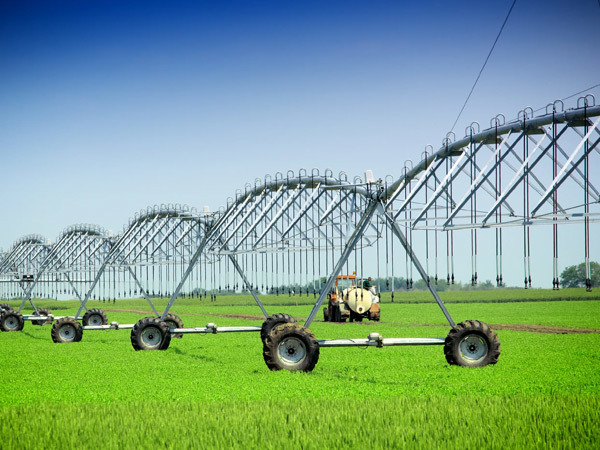
The Lateral Move Irrigation System is an advanced agricultural irrigation technology designed to deliver efficient, uniform water distribution across large rectangular and square crop fields. Unlike traditional irrigation methods such as flood irrigation that rely on manual labor and unchanneled water flows, a Lateral Move Irrigation System travels in a straight line across the entire field, applying water evenly from one end to the other. This type of mechanized irrigation typically consists of long lateral pipes or hose‑mounted sprinkler frames mounted on wheeled towers that traverse the field, offering a reliable solution for commercial agriculture, large farms, and expansive crop areas where uniform hydration is vital for crop health and maximum yield. The system reduces water waste by targeting moisture directly to the soil root zone, minimizing evaporation and runoff while conserving water resources and improving irrigation efficiency. In addition, its automated features reduce labor requirements, letting farmers focus on other critical farm operations while the irrigation system works reliably and consistently.
How the Lateral Move Irrigation System Works
A typical Lateral Move Irrigation System operates by mounting sprinkler or emitter lines on a series of wheeled towers connected by laterally oriented pipelines, which are supplied with water through mainlines, canals, or hoses. The irrigation towers move horizontally along the field in a controlled pattern, distributing water evenly as they advance. Automated guidance systems — such as GPS navigation, cable guidance, or furrow tracking — ensure the machine stays aligned with crop rows and field boundaries, maintaining consistent water distribution across all planted zones. This uniform movement prevents dry spots and over‑watering, which are common challenges in traditional irrigation practices. The system’s ability to deliver water precisely where needed also allows integration with fertigation (combined water and fertilizer application), providing enriched irrigation that supports crop growth and nutrient uptake.
Key Advantages of Lateral Move Irrigation Systems
One of the most significant advantages of a Lateral Move Irrigation System is its efficient use of water. By delivering water directly to crops and reducing surface water loss, it conserves water compared with traditional techniques like flood or furrow irrigation. These systems also provide consistent and uniform coverage across the field, which promotes even crop growth and improves overall yield quality. Their flexibility allows adaptation to a wide range of field shapes and sizes, particularly large rectangular and square areas where center‑pivot systems might not be as effective. Additionally, automation and mechanization lower labor costs, as fewer manual interventions are needed to start, move, or manage the irrigation process. Although initial investment costs may be higher, the long‑term savings in water use, labor, and crop performance often outweigh upfront expenses, making the system a cost‑effective choice for modern farming.
System Components and Customization
A Lateral Move Irrigation System typically includes robust lateral pipelines, sprinkler or emitter heads, wheeled towers or carriages, guidance and control systems, and water supply connections. Manufacturers can customize systems to match soil conditions, crop types, and irrigation requirements. Guidance options such as GPS, cable, or furrow guidance ensure precise movement and alignment along field rows, which enhances operational accuracy and irrigation uniformity. Power options for movement and water pumping vary from diesel engine drives to electric‑powered systems, offering flexibility based on on‑site resources. Some systems also integrate fertigation equipment to deliver fertilizers during the watering process, combining irrigation and nutrient delivery to support crop growth. These customizable components allow farmers to scale systems according to field size, water availability, and crop requirements.
Applications in Agriculture
The Lateral Move Irrigation System is ideal for large‑scale agricultural operations that require reliable and consistent watering over extensive plantings. Common crops irrigated with lateral move systems include cereals, grains, vegetables, forage crops, and specialty cash crops. Because of their ability to maintain uniform soil moisture, these systems help improve germination, reduce crop stress due to water inconsistency, and support higher yields per acre. Lateral move irrigation is also beneficial in regions experiencing water scarcity, as its efficient distribution helps reduce overall water usage compared with surface irrigation methods. Furthermore, the system’s adaptability to various soil types — from sandy to loamy and clay soils — and capability to cover expansive growing areas make it suitable for diverse agricultural environments and crop management strategies.
Cost, Installation, and Maintenance
When considering a Lateral Move Irrigation System, farmers should evaluate both initial costs and long‑term operational benefits. While upfront investments can vary based on system size, guidance technology, and added automation features, long‑term savings in labor, water consumption, and improved crop health can lead to a positive return on investment. Installation may involve preparation of waterways, field leveling, equipment assembly, and guidance system setup. Routine maintenance, such as checking wheel alignment, nozzle conditions, and pipeline integrity, helps ensure consistent performance and prolongs the life of the system. Manufacturer support often includes technical training, installation guidance, and after‑sales service to help users maximize system efficiency and reliability over time.
Conclusion
In summary, a Lateral Move Irrigation System provides modern farmers with a highly efficient and reliable irrigation solution for expansive crop fields. Its ability to deliver uniform, water‑saving irrigation while reducing labor and operational costs makes it a valuable asset for commercial agriculture. With customizable components, guidance systems, and integration options for fertigation, these systems help boost crop performance and resource efficiency — aligning with sustainable farming principles and long‑term productivity goals.
Learn more about industry dynamics

New customers enjoy 10% product discount
PRODUCT CENTER
CONTACT US
Address: 2-1-2301, Phoenix International Plaza, High-tech Zone, Jinan City, Shandong Province
Quality of service to win customer satisfaction


Shandong Yihe Agricultural Technology Co., Ltd. (Shandong Kewo Water-Saving Irrigation Equipment Co., Ltd.)