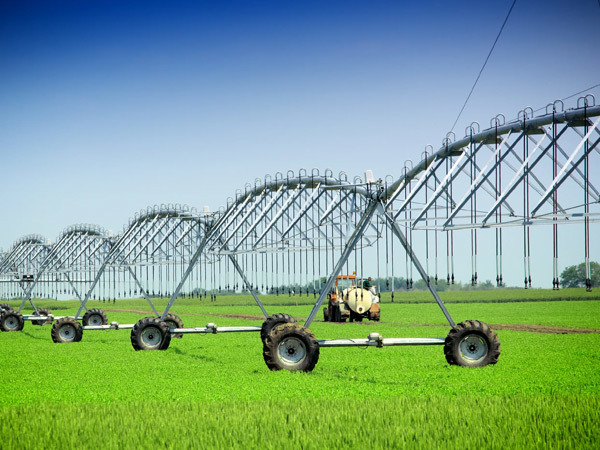
A high-tech enterprise specializing in large-scale sprinkler irrigation and water and fertilizer integration


Pointer Type Sprinkler Irrigation: A Smart Investment for Agricultural Success
Release time:
Feb 08,2026
Pointer Type Sprinkler Irrigation: A Smart Investment for Agricultural Success Table of Contents 1. Introduction to Pointer Type Sprinkler Irrigation 2. What is Pointer Type Sprinkler Irrigation? 3. The Benefits of Pointer Type Sprinkler Irrigation 4. Key Components of the Pointer Type Sprinkler System 5. Installation Guide for Pointer Type Sprinkler Irrigation 6. Maintenance Tips
Pointer Type Sprinkler Irrigation: A Smart Investment for Agricultural Success
Table of Contents
- 1. Introduction to Pointer Type Sprinkler Irrigation
- 2. What is Pointer Type Sprinkler Irrigation?
- 3. The Benefits of Pointer Type Sprinkler Irrigation
- 4. Key Components of the Pointer Type Sprinkler System
- 5. Installation Guide for Pointer Type Sprinkler Irrigation
- 6. Maintenance Tips for Longevity and Efficiency
- 7. Cost Analysis: Is It Worth the Investment?
- 8. Real-World Case Studies: Success Stories
- 9. Frequently Asked Questions
- 10. Conclusion
1. Introduction to Pointer Type Sprinkler Irrigation
In the world of agriculture, efficient water management is critical to maximizing crop yield and ensuring sustainable practices. Pointer Type Sprinkler Irrigation has emerged as a **cutting-edge solution** that not only conserves water but also enhances the **overall health of crops**. This article delves into the intricacies of Pointer Type Sprinkler Irrigation, showcasing its numerous advantages and why it is a **smart investment for modern farming**.
2. What is Pointer Type Sprinkler Irrigation?
Pointer Type Sprinkler Irrigation is a specialized irrigation method that utilizes a **pivoting sprinkler head** designed to deliver water uniformly across a designated area. Unlike traditional irrigation systems, which can often lead to uneven water distribution, the Pointer Type system ensures that each section of the field receives an adequate supply of moisture. This technology operates based on the principle of **centrifugal force**, allowing the nozzle to pivot and distribute water in a circular pattern, ultimately promoting **balanced growth**.
2.1 How It Works
The Pointer Type Sprinkler consists of a rotating arm attached to a water source. As water flows through the system, the arm spins, creating a **spray pattern** that covers a wide area. The design of the sprinkler allows for adjustable angles and spray distances, enabling farmers to customize their irrigation strategies based on specific crop needs and environmental conditions.
3. The Benefits of Pointer Type Sprinkler Irrigation
Implementing Pointer Type Sprinkler Irrigation can yield numerous benefits for farmers. Here are some of the most impactful advantages:
3.1 Water Conservation
Water scarcity is a growing concern in agriculture. Pointer Type sprinklers are designed to minimize water waste by delivering precise amounts of water directly to plant roots, reducing evaporation and runoff.
3.2 Increased Crop Yield
Precise irrigation promotes healthier plant growth. With even moisture distribution, crops can flourish, leading to **higher yields** and better-quality produce.
3.3 Labor Savings
Automated sprinkler systems reduce the need for manual labor, allowing farmers to allocate their workforce to other essential tasks. This efficiency can result in significant cost savings over time.
3.4 Adaptability
Pointer Type Sprinkler Irrigation systems can be adapted to various crop types and field sizes, making them suitable for **diverse agricultural settings**.
4. Key Components of the Pointer Type Sprinkler System
Understanding the components of this irrigation system is vital for effective implementation. The main parts include:
4.1 Sprinkler Head
The sprinkler head is the focal point of the system, responsible for water dispersion. Different nozzle sizes can be used to adjust the flow rate based on specific crop requirements.
4.2 Control Valve
The control valve regulates water flow, allowing farmers to adjust the pressure and volume delivered to the system.
4.3 Water Supply Line
This component connects the irrigation system to the main water source, ensuring a continuous and reliable supply.
4.4 Support Structure
The support structure, often made of durable materials, provides stability to the sprinkler system while allowing for movement and pivoting.
5. Installation Guide for Pointer Type Sprinkler Irrigation
Installing a Pointer Type Sprinkler Irrigation system can be a straightforward process if executed correctly. Here’s a step-by-step guide:
5.1 Site Assessment
Begin by assessing the land to determine the best layout for the sprinkler system. Consider factors such as field size, crop types, and water source accessibility.
5.2 Equipment Selection
Choose the appropriate sprinkler heads and components based on your specific agricultural needs. Consult with experts if necessary to ensure optimal selection.
5.3 System Layout
Design a plan for the sprinkler system layout, ensuring that every part of the field will receive adequate coverage. Sketch the layout for clarity and precision.
5.4 Installation Process
Follow industry best practices for installation. Begin by laying out the water supply lines, then install the control valve and sprinkler heads according to your design. Ensure all components are properly secured and positioned.
5.5 Testing the System
After installation, run a test to verify that the system operates effectively. Check for uniform water distribution and make adjustments if necessary.
6. Maintenance Tips for Longevity and Efficiency
To ensure the longevity and efficiency of your Pointer Type Sprinkler Irrigation system, regular maintenance is essential. Here are some tips:
6.1 Regular Inspections
Conduct frequent inspections of all system components, including sprinkler heads, control valves, and water supply lines, to identify any signs of wear or damage.
6.2 Clean Nozzles
Clogged nozzles can hinder performance. Regularly clean the nozzles to ensure consistent water flow and coverage.
6.3 Monitor Water Pressure
Maintaining proper water pressure is crucial for optimal operation. Use pressure gauges to monitor levels and make adjustments as needed.
6.4 Winterization
In colder climates, winterize the system to prevent damage from freezing temperatures. Drain water from all components and store them in a safe location.
7. Cost Analysis: Is It Worth the Investment?
Investing in a Pointer Type Sprinkler Irrigation system involves initial costs, but the long-term benefits often outweigh these expenses. Here’s a breakdown of costs to consider:
7.1 Initial Setup Costs
The initial setup can vary based on field size and system complexity. However, many farmers find that the investment pays off within a few growing seasons.
7.2 Operational Savings
Reduced water usage translates to cost savings on water bills. Additionally, decreased labor costs due to automation can contribute to overall financial benefits.
7.3 Return on Investment (ROI)
By maximizing crop yield and minimizing losses due to over- or under-watering, farmers can achieve a high ROI, making the Pointer Type Sprinkler system a financially sound decision.
8. Real-World Case Studies: Success Stories
To illustrate the effectiveness of Pointer Type Sprinkler Irrigation, let's explore a few success stories from farmers who have adopted this technology:
8.1 Case Study 1: Corn Farmers in Iowa
A group of corn farmers in Iowa implemented a Pointer Type system and reported a **25% increase in yield** within the first year. By conserving water and ensuring even distribution, they improved their production efficiency significantly.
8.2 Case Study 2: Vegetable Growers in California
Vegetable growers in California utilized Pointer Type sprinklers to reduce water consumption by **30%**. The result was healthier plants and higher quality produce, leading to increased sales and profits.
8.3 Case Study 3: Orchard Management in Florida
An orchard manager in Florida found that switching to a Pointer Type system allowed for better control over watering schedules, resulting in a **20% reduction in water costs** and improved fruit quality.
9. Frequently Asked Questions
9.1 What crops are best suited for Pointer Type Sprinkler Irrigation?
Pointer Type Sprinkler Irrigation is versatile and suitable for various crops, including vegetables, grains, and fruits.
9.2 How much water can I save using this system?
Farmers often report water savings of 20-30% or more, depending on their specific irrigation practices and field conditions.
9.3 Is the installation process complicated?
While it requires careful planning and execution, many farmers find the installation process manageable with proper guidance.
9.4 How often should I perform maintenance on the system?
Regular inspections should be conducted at least once a month, with more frequent checks during peak irrigation seasons.
9.5 Can I automate the Pointer Type Sprinkler system?
Yes, many modern Pointer Type systems can be integrated with automation technology for enhanced efficiency and convenience.
10. Conclusion
In summary, Pointer Type Sprinkler Irrigation represents a **smart investment** for anyone involved in agriculture. With its ability to conserve water, increase crop yields, and reduce labor costs, the benefits are clear. As we navigate the challenges of modern farming, adopting efficient irrigation systems like the Pointer Type is not just a wise choice; it's essential for achieving sustainable agricultural success. By investing in this innovative technology, farmers can ensure their operations thrive in an ever-evolving industry.
Learn more about industry dynamics


New customers enjoy 10% product discount
PRODUCT CENTER
CONTACT US
Address: 2-1-2301, Phoenix International Plaza, High-tech Zone, Jinan City, Shandong Province
Quality of service to win customer satisfaction


Shandong Yihe Agricultural Technology Co., Ltd. (Shandong Kewo Water-Saving Irrigation Equipment Co., Ltd.)