A high-tech enterprise specializing in large-scale sprinkler irrigation and water and fertilizer integration


Optimizing Water Usage: The Science of Center Pivot Irrigation for Sustainable Agriculture
Release time:
Jan 20,2026
Optimizing Water Usage: The Science of Center Pivot Irrigation Table of Contents 1. Introduction to Center Pivot Irrigation 2. What is Center Pivot Irrigation? 3. Benefits of Center Pivot Irrigation 3.1 Water Efficiency 3.2 Sustainability 3.3 Enhanced Crop Yields 4. How Center Pivot Irrigation Works 4.1 System Components
Optimizing Water Usage: The Science of Center Pivot Irrigation
Table of Contents
- 1. Introduction to Center Pivot Irrigation
- 2. What is Center Pivot Irrigation?
- 3. Benefits of Center Pivot Irrigation
- 4. How Center Pivot Irrigation Works
- 5. Best Practices for Implementing Center Pivot Irrigation
- 6. Case Studies: Successful Center Pivot Irrigation
- 7. Future Trends in Irrigation Technology
- 8. FAQs About Center Pivot Irrigation
- 9. Conclusion
1. Introduction to Center Pivot Irrigation
Agriculture faces numerous challenges, particularly when it comes to **water management**. As global demand for food rises, the need for **efficient irrigation** systems becomes increasingly critical. Center pivot irrigation systems have emerged as a **sophisticated solution**, allowing farmers to maximize water use while improving crop yields. This article explores the science behind center pivot irrigation, its benefits, operational mechanics, best practices, and future trends.
2. What is Center Pivot Irrigation?
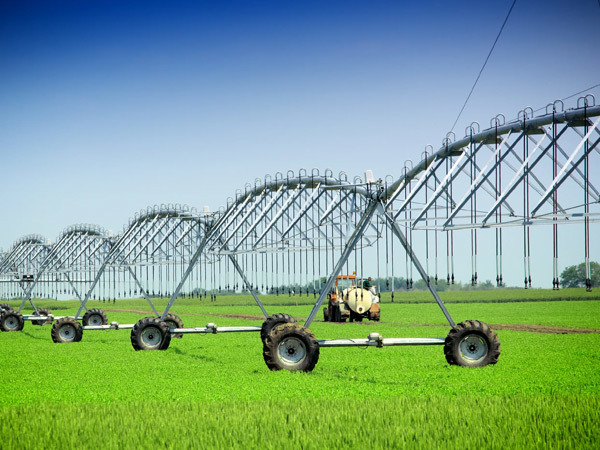
Center pivot irrigation is a method of **mechanized irrigation** that uses rotating arms to spray water over crops. The system typically consists of a circular layout, where a central pivot point allows the irrigation equipment to rotate around it, irrigating a large area efficiently. This technique is particularly popular for **large-scale farming**, offering numerous advantages, including reduced labor costs and enhanced water efficiency.
3. Benefits of Center Pivot Irrigation
The advantages of implementing center pivot irrigation are manifold, particularly in terms of **water savings**, sustainability, and yield enhancements.
3.1 Water Efficiency
One of the most significant benefits of center pivot irrigation is its ability to **optimize water usage**. Traditional irrigation methods often lead to overwatering or uneven water distribution, resulting in waste. In contrast, center pivot systems deliver precise amounts of water directly to the root zone of plants, minimizing evaporation and runoff. Studies have shown that these systems can reduce water consumption by up to **30-50%**, making them invaluable in areas with limited water resources.
3.2 Sustainability
Sustainability is a crucial consideration in modern agriculture. By using center pivot irrigation, farmers can promote **sustainable farming practices**. This method reduces the need for chemical fertilizers, as water is delivered directly to the crops, leading to healthier plants and less nutrient leaching into waterways. Additionally, the ability to control water application ensures that crops receive the optimal amount of moisture, reducing stress during dry periods.
3.3 Enhanced Crop Yields
Center pivot irrigation is not just about saving water; it also significantly increases crop yields. The uniform distribution of water leads to healthier plants that can grow more robustly. Farmers have reported yield increases of up to **20-30%** when switching from traditional irrigation methods to center pivot systems. This enhancement in productivity not only supports farmer livelihoods but also contributes to food security in a growing world.
4. How Center Pivot Irrigation Works
Understanding the operational mechanics of center pivot irrigation is essential for any farmer considering this investment.
4.1 System Components
A typical center pivot irrigation system consists of several key components:
- **Pivot Point**: The hub from which the system rotates.
- **Span Sections**: These are the arms that extend out from the pivot point, usually made of lightweight materials to facilitate movement.
- **Sprinkler Heads**: Positioned along the span, these are responsible for distributing water evenly across the field.
- **Control System**: This component manages the irrigation schedule, allowing for precise control over when and how much water is applied.
4.2 Irrigation Scheduling
Effective irrigation scheduling is vital for maximizing the benefits of center pivot systems. Modern systems often come equipped with **sensors** that monitor soil moisture levels, weather conditions, and crop needs. This data allows for intelligent scheduling, ensuring that water is applied only when necessary, thus enhancing efficiency and reducing waste.
5. Best Practices for Implementing Center Pivot Irrigation
To achieve the best results from center pivot irrigation, it is essential to follow specific best practices:
1. **Site Assessment**: Conduct a thorough assessment of the field to determine the layout and water supply.
2. **Soil Testing**: Understand soil types and moisture retention capabilities to optimize the system.
3. **Calibration**: Regularly calibrate the system to ensure that water distribution remains consistent.
4. **Maintenance**: Schedule routine maintenance checks to address any mechanical issues and keep the system functioning efficiently.
5. **Training**: Provide training for operators to ensure they understand system operation and management.
6. Case Studies: Successful Center Pivot Irrigation
Numerous case studies illustrate the successful implementation of center pivot irrigation across various agricultural settings. For instance, a **corn farm** in Nebraska reported a 25% increase in yield after upgrading to a modern center pivot system. Similarly, a **wheat farm** in Kansas achieved significant water savings and increased productivity, demonstrating the adaptability of center pivot systems to different crops and climates.
7. Future Trends in Irrigation Technology
The future of irrigation technology is promising, with **smart farming** and **data-driven solutions** becoming increasingly prevalent. Innovations such as drone technology, remote sensing, and **IoT** (Internet of Things) integration are expected to revolutionize how farmers manage irrigation. These advancements will enhance the precision of center pivot systems, leading to even greater water savings and improved crop management.
8. FAQs About Center Pivot Irrigation
**Q1: How much does a center pivot irrigation system cost?**
The cost varies widely based on system size and features, but on average, farmers can expect to invest between $20,000 and $70,000 for a new system.
**Q2: How long does a center pivot irrigation system last?**
With proper maintenance, a center pivot system can last between 15 to 30 years.
**Q3: Can center pivot systems be used for all types of crops?**
Yes, center pivot irrigation is versatile and can be used for a variety of crops including corn, soybeans, and vegetables.
**Q4: Is there a risk of over-irrigating with center pivot systems?**
While the technology helps minimize this risk, it is essential to monitor soil moisture levels to avoid over-irrigation.
**Q5: Do center pivot systems require a lot of energy?**
The energy requirements depend on the system's size and local water pressure, but advancements in technology are continually reducing energy consumption.
9. Conclusion
Center pivot irrigation represents a significant advancement in agricultural technology, offering farmers an efficient and sustainable way to optimize water usage. By understanding its mechanics, benefits, and best practices, farmers can significantly enhance their productivity and contribute to sustainable agricultural practices. As we look to the future, embracing innovative technologies in irrigation will be essential to meet the growing demands of food production while conserving precious water resources. With center pivot irrigation, the potential for a more sustainable and productive agricultural future becomes a reality.
Learn more about industry dynamics


New customers enjoy 10% product discount
PRODUCT CENTER
CONTACT US
Address: 2-1-2301, Phoenix International Plaza, High-tech Zone, Jinan City, Shandong Province
Quality of service to win customer satisfaction


Shandong Yihe Agricultural Technology Co., Ltd. (Shandong Kewo Water-Saving Irrigation Equipment Co., Ltd.)