A high-tech enterprise specializing in large-scale sprinkler irrigation and water and fertilizer integration


The Connection Between Valley Lateral Move Irrigators and Crop Rotation: Enhancing Agricultural Efficiency
Release time:
Sep 03,2025
The Connection Between Valley Lateral Move Irrigators and Crop Rotation Introduction In the realm of modern agriculture, efficient irrigation systems play a crucial role in maximizing crop yields and ensuring sustainable farming practices. One of the most effective forms of irrigation is the **Valley Lateral Move Irrigator**. This system not only conserves water but also complements key agricultur
The Connection Between Valley Lateral Move Irrigators and Crop Rotation
Introduction
In the realm of modern agriculture, efficient irrigation systems play a crucial role in maximizing crop yields and ensuring sustainable farming practices. One of the most effective forms of irrigation is the **Valley Lateral Move Irrigator**. This system not only conserves water but also complements key agricultural practices such as **crop rotation**. Understanding the synergy between these two elements can lead to enhanced agricultural productivity and environmental sustainability.
What Are Valley Lateral Move Irrigators?
Overview of Valley Lateral Move Irrigators
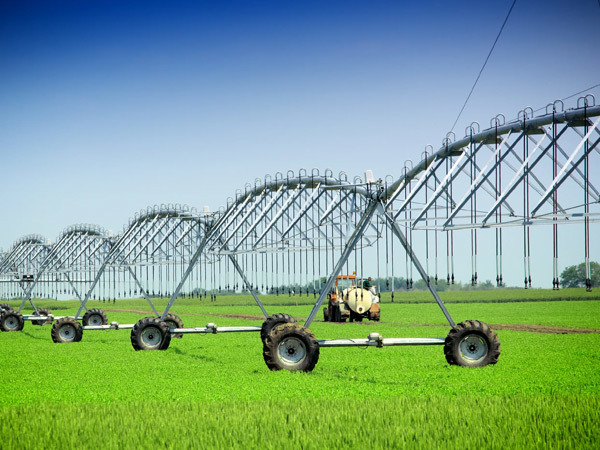
Valley Lateral Move Irrigators are advanced irrigation systems designed to deliver water evenly across large fields. Unlike traditional fixed sprinklers, these systems move laterally, ensuring that every part of the field receives adequate moisture. Equipped with state-of-the-art technology, they can be programmed to operate based on specific crop needs, making them an ideal choice for diverse farming operations.
Key Features of Lateral Move Irrigators
1. **Water Efficiency**: These systems optimize water use, reducing wastage and ensuring that crops receive the precise amount of water needed for growth.
2. **Uniform Distribution**: Lateral Move Irrigators ensure that water is distributed evenly, minimizing dry spots and promoting uniform crop development.
3. **Flexibility**: Farmers can easily adjust the irrigation schedule and settings to match the specific requirements of different crops.
The Importance of Crop Rotation in Agriculture
Defining Crop Rotation
Crop rotation is the practice of growing different types of crops in the same area across a sequenced time frame. This method promotes biodiversity, improves soil health, and can lead to more sustainable farming practices. By alternating the types of crops planted, farmers can reduce pest and weed pressure, enhance soil fertility, and improve overall crop yield.
Benefits of Crop Rotation
- **Pest Management**: Different crops attract different pests; rotating crops can disrupt pest life cycles.
- **Soil Health**: Diverse root structures contribute to better soil structure and nutrient cycling.
- **Nutrient Utilization**: Different crops utilize varying nutrients, preventing soil depletion.
How Valley Lateral Move Irrigators Support Crop Rotation
Optimizing Water Use for Diverse Crop Types
Effective irrigation is vital when implementing a crop rotation strategy. Valley Lateral Move Irrigators ensure that each crop receives the appropriate amount of water at the ideal growth stages, which is particularly beneficial when alternating crops with different water needs. For instance, a field transitioning from corn to soybeans can be managed efficiently with precise irrigation adjustments.
Enhancing Soil Health Through Efficient Irrigation
Soil health is paramount in a successful crop rotation system. By providing consistent moisture, Valley Lateral Move Irrigators help maintain optimal soil moisture levels, which is essential for microbial activity and nutrient availability. This is especially important when rotating crops that have different nutrient requirements, as it enables the soil to recover and replenish.
Best Practices for Using Valley Lateral Move Irrigators with Crop Rotation
Assessing Water Needs for Different Crops
Before implementing a crop rotation plan, it is essential to evaluate the water requirements of each crop. Valley Lateral Move Irrigators allow for precise calibration based on the needs of the crop, ensuring that water is not over-applied or under-applied.
Monitoring Soil Moisture Levels
Utilizing soil moisture sensors can significantly enhance the effectiveness of Valley Lateral Move Irrigators. These sensors provide real-time data about soil moisture conditions, allowing farmers to adjust irrigation schedules based on current soil needs, ensuring crops receive the optimal amount of water throughout their growth cycles.
Incorporating Cover Crops
Integrating cover crops into the rotation can further benefit from Lateral Move Irrigation systems. Cover crops help to improve soil structure and nutrient content while also providing additional moisture retention. By utilizing Valley Lateral Move Irrigators, farmers can ensure that cover crops receive adequate water during critical growth periods, promoting their effectiveness.
Technological Innovations in Valley Lateral Move Irrigators
Smart Technology Integration
Modern Valley Lateral Move Irrigators are increasingly equipped with smart technology that allows for remote monitoring and control. This capability enables farmers to make informed decisions based on real-time data, leading to more efficient irrigation practices and better alignment with crop rotation schedules.
Data-Driven Irrigation Decisions
With advancements in data collection and analysis, farmers can now utilize historical weather data, soil moisture levels, and crop performance metrics to optimize irrigation practices. By leveraging this information, farmers can enhance the synergy between Valley Lateral Move Irrigators and crop rotation strategies.
Challenges and Solutions in Implementing Valley Lateral Move Irrigators
Initial Investment Costs
One of the primary challenges farmers face when adopting Valley Lateral Move Irrigators is the initial investment cost. While the long-term benefits of water savings and improved crop yields often outweigh these costs, many farmers may find it difficult to allocate financial resources upfront.
Training and Expertise
Successful implementation requires a certain level of expertise in managing both the irrigation system and crop rotation practices. Ongoing training and access to expert resources can help farmers navigate these challenges effectively.
The Future of Valley Lateral Move Irrigators and Crop Rotation
The Role of Sustainability in Agriculture
As the agricultural industry continues to evolve, the integration of sustainable practices will become increasingly important. Valley Lateral Move Irrigators, when paired with effective crop rotation strategies, represent a significant step toward achieving sustainable agricultural practices that prioritize resource conservation and environmental health.
Innovative Research and Development
Ongoing research and development in the field of irrigation technology will further enhance the capabilities of Valley Lateral Move Irrigators. Innovations such as AI-driven water management systems and enhanced sensor technology will provide farmers with even greater control over their irrigation practices.
FAQs
1. What is the primary advantage of using Valley Lateral Move Irrigators?
The primary advantage is their ability to deliver uniform water distribution, which optimizes crop growth and conserves water.
2. How can crop rotation improve soil fertility?
Crop rotation prevents nutrient depletion, enhances soil structure, and promotes beneficial microbial activity.
3. What crops are best suited for rotation with Valley Lateral Move Irrigators?
Crops with varying water needs, such as corn followed by soybeans, work well with this irrigation system.
4. Are there any downsides to using Valley Lateral Move Irrigators?
The initial investment costs can be high, and proper training is required to optimize their use effectively.
5. How often should I adjust irrigation settings during crop rotation?
Adjustments should be made regularly based on real-time soil moisture data and the specific needs of the crops being grown.
Conclusion
The relationship between Valley Lateral Move Irrigators and crop rotation is one that encapsulates the future of sustainable agriculture. By optimizing water use and enhancing soil health, these irrigation systems provide farmers with the tools needed to increase productivity and promote ecological balance. As we move forward, embracing technology and innovative practices will be crucial in shaping a resilient agricultural sector capable of meeting the demands of a growing population. Implementing Valley Lateral Move Irrigators alongside effective crop rotation strategies will not only yield better harvests but also contribute to the overall sustainability of farming practices.
Learn more about industry dynamics

New customers enjoy 10% product discount
PRODUCT CENTER
CONTACT US
Address: 2-1-2301, Phoenix International Plaza, High-tech Zone, Jinan City, Shandong Province
Quality of service to win customer satisfaction


Shandong Yihe Agricultural Technology Co., Ltd. (Shandong Kewo Water-Saving Irrigation Equipment Co., Ltd.)