A high-tech enterprise specializing in large-scale sprinkler irrigation and water and fertilizer integration


Understanding the Maintenance Schedule for Valley Lateral Move Irrigators: A Comprehensive Guide
Release time:
Sep 11,2025
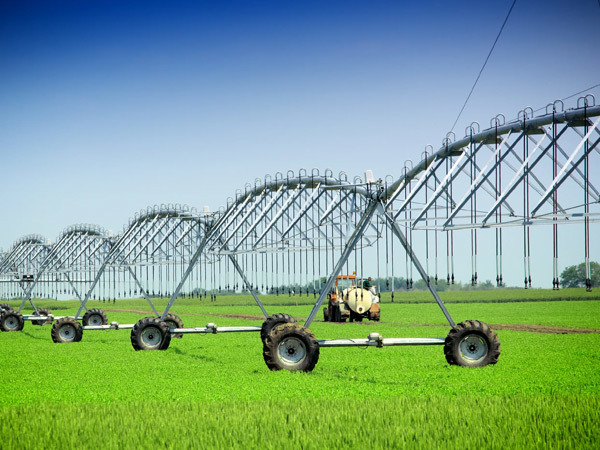
Understanding the Maintenance Schedule for Valley Lateral Move Irrigators Introduction to Valley Lateral Move Irrigators The Valley Lateral Move Irrigator is a pivotal tool in modern agriculture, allowing for efficient and effective irrigation across vast fields. These systems, designed for both flexibility and reliability, help optimize water usage, reduce waste, and enhance crop yield. However,
Understanding the Maintenance Schedule for Valley Lateral Move Irrigators
Introduction to Valley Lateral Move Irrigators
The Valley Lateral Move Irrigator is a pivotal tool in modern agriculture, allowing for efficient and effective irrigation across vast fields. These systems, designed for both flexibility and reliability, help optimize water usage, reduce waste, and enhance crop yield. However, like any sophisticated machinery, they require a regular maintenance schedule to function properly and avoid unexpected breakdowns. In this guide, we will dive deep into the maintenance requirements of Valley Lateral Move Irrigators, providing you with actionable insights to keep your system in peak condition.
The Importance of a Maintenance Schedule
Regular maintenance is critical for any irrigation system, particularly Valley Lateral Move Irrigators, which are subjected to various environmental stresses. A well-planned maintenance schedule ensures the longevity of your equipment, minimizes downtime, and enhances water efficiency. Here are some key reasons why sticking to a maintenance schedule is essential:
1. Enhances Equipment Lifespan
By adhering to a structured maintenance routine, you can significantly extend the life of your irrigator. Regular checks and timely replacements of worn-out parts prevent larger issues that can lead to costly repairs or replacements.
2. Improves Water Efficiency
An optimally maintained irrigation system works more efficiently, ensuring that water is delivered precisely where it is needed. This not only conserves water but also maximizes crop health.
3. Reduces Downtime
Scheduled maintenance helps identify potential problems before they escalate, thereby reducing the likelihood of unexpected breakdowns. This proactive approach allows for uninterrupted irrigation, crucial during peak growing seasons.
4. Increases Crop Yield
Well-maintained irrigation systems deliver consistent and adequate water supply, which is vital for crop growth. This reliability can lead to improved yields and better quality produce.
Components of Valley Lateral Move Irrigators
Understanding the components of your Valley Lateral Move Irrigator can help you appreciate what needs maintenance. Key components include:
Pumps
The pump is the heart of your irrigation system, moving water from the source to the fields. Regular inspection of pumps for leaks, noises, and pressure fluctuations is essential.
Gears and Drive Systems
The gears and drive systems enable the movement of the irrigator across the field. Lubrication and inspection for wear and tear are crucial to prevent failure.
Hoses and Pipes
Hoses and pipes are responsible for the distribution of water. Regular checks for cracks, leaks, and blockages can prevent water wastage and ensure efficient delivery.
Sprinkler Heads
Sprinkler heads disperse water evenly across the fields. They should be checked frequently for clogs or misalignment, which can lead to uneven watering.
Maintenance Schedule Breakdown
A comprehensive maintenance schedule for Valley Lateral Move Irrigators typically includes daily, weekly, monthly, and seasonal tasks.
Daily Maintenance Tasks
- **Visual Inspection**: Conduct a visual check of the entire system for any obvious signs of wear or damage.
- **Monitor Water Pressure**: Ensure that water pressure is consistent and within the recommended range.
- **Check for Clogs**: Inspect sprinkler heads and hoses for any blockages that may hinder performance.
Weekly Maintenance Tasks
- **Lubricate Moving Parts**: Apply lubricant to gears and joints to ensure smooth operation.
- **Inspect Electrical Components**: Check wiring and connections for wear and ensure all electrical components are functioning correctly.
- **Adjust Sprinkler Heads**: Make necessary adjustments to ensure that water is being distributed evenly across your fields.
Monthly Maintenance Tasks
- **Deep Clean Filters**: Clean filters to prevent debris from affecting water flow.
- **Examine Pump Performance**: Analyze pump performance metrics and replace any worn components.
- **Inspect Hoses and Pipes**: Look for leaks and replace any damaged sections.
Seasonal Maintenance Tasks
- **Comprehensive System Check**: Before the start of the irrigation season, perform a thorough inspection of the entire system.
- **Prepare for Winter**: Properly winterize your system to avoid freeze damage, including draining hoses and insulating vulnerable components.
- **Update Records**: Keep a log of maintenance activities, repairs, and any parts replaced to track the system's history.
Common Issues and Troubleshooting
Despite regular maintenance, issues may still arise. Familiarizing yourself with common problems can help you troubleshoot effectively.
1. Uneven Water Distribution
If you notice that some areas are receiving too much or too little water, check for clogged or broken sprinkler heads and adjust their positioning.
2. Low Water Pressure
Low water pressure can be caused by blockages in hoses, leaks, or pump malfunctions. Inspect the system thoroughly to isolate the issue.
3. Unusual Noises from the Pump
Noises such as grinding or rattling can indicate mechanical failures. Inspect the pump for loose parts or require lubrication.
4. Frequent Breakdowns
If your irrigator is breaking down regularly, it may be a sign of inadequate maintenance. Review your maintenance schedule and ensure all tasks are being performed consistently.
Best Practices for Effective Maintenance
To maximize the efficiency and lifespan of your Valley Lateral Move Irrigators, consider the following best practices:
1. Keep Detailed Records
Maintain a log of all maintenance activities, including dates, tasks performed, and any parts replaced. This helps in identifying patterns and planning future maintenance.
2. Invest in Quality Parts
Using high-quality replacement parts can significantly reduce the frequency of repairs and maintenance.
3. Train Staff Properly
Ensure that all personnel involved in the maintenance of the irrigation system are well-trained and knowledgeable about its operation and upkeep.
4. Utilize Technology
Consider investing in smart irrigation technology that can provide real-time data on system performance, helping you make informed decisions about maintenance.
Conclusion
Understanding and adhering to a maintenance schedule for Valley Lateral Move Irrigators is essential for maximizing efficiency, extending the lifespan of the equipment, and ensuring optimal crop growth. By conducting regular inspections, adhering to a structured maintenance schedule, and being proactive about troubleshooting potential issues, farmers can enhance their irrigation practices significantly. This guide serves as a roadmap, equipping you with the knowledge needed to maintain your Valley Lateral Move Irrigators effectively. Embrace these practices to ensure that your irrigation system operates smoothly and efficiently throughout the growing season.
Frequently Asked Questions (FAQs)
1. How often should I perform maintenance on my Valley Lateral Move Irrigator?
Maintenance should be performed daily, weekly, monthly, and seasonally, as outlined in this guide, to ensure optimal performance.
2. What are the signs that my irrigation system needs maintenance?
Signs include uneven water distribution, low water pressure, unusual noises from the pump, and frequent breakdowns.
3. Can I perform maintenance on my own, or should I hire a professional?
Basic maintenance tasks can often be performed by the operator; however, complex issues may require the expertise of a professional.
4. How do I winterize my Valley Lateral Move Irrigator?
Winterization typically involves draining hoses, insulating vulnerable components, and storing the system in a dry area.
5. What types of replacement parts should I invest in for my irrigator?
Investing in high-quality parts, particularly for pumps, gears, and hoses, can reduce the frequency of repairs and enhance system performance.
Learn more about industry dynamics


New customers enjoy 10% product discount
PRODUCT CENTER
CONTACT US
Address: 2-1-2301, Phoenix International Plaza, High-tech Zone, Jinan City, Shandong Province
Quality of service to win customer satisfaction


Shandong Yihe Agricultural Technology Co., Ltd. (Shandong Kewo Water-Saving Irrigation Equipment Co., Ltd.)