A high-tech enterprise specializing in large-scale sprinkler irrigation and water and fertilizer integration


How Electric Center Pivot Irrigation Transforms Farming Efficiency
Release time:
Sep 11,2025
How Electric Center Pivot Irrigation Transforms Farming Efficiency Table of Contents 1. Introduction to Electric Center Pivot Irrigation 2. What is Center Pivot Irrigation? 3. Benefits of Electric Center Pivot Irrigation 3.1 Improved Water Efficiency 3.2 Enhanced Crop Yields 3.3 Reduced Labor Costs 3.4 Environmental Sustainabili
How Electric Center Pivot Irrigation Transforms Farming Efficiency
Table of Contents
- 1. Introduction to Electric Center Pivot Irrigation
- 2. What is Center Pivot Irrigation?
- 3. Benefits of Electric Center Pivot Irrigation
- 3.1 Improved Water Efficiency
- 3.2 Enhanced Crop Yields
- 3.3 Reduced Labor Costs
- 3.4 Environmental Sustainability
- 4. How Electric Center Pivot Irrigation Works
- 5. Installation and Maintenance of Electric Center Pivot Systems
- 6. Case Studies and Success Stories
- 7. Common Challenges and Solutions
- 8. Frequently Asked Questions
- 9. Conclusion
1. Introduction to Electric Center Pivot Irrigation
Electric center pivot irrigation systems have revolutionized the agricultural sector by providing a more efficient and effective method for watering crops. This technology allows farmers to manage water resources better while maximizing crop yields. As the demand for food continues to rise, the role of efficient irrigation systems becomes even more crucial. In this article, we will explore how electric center pivot irrigation transforms farming efficiency and its various benefits.
2. What is Center Pivot Irrigation?
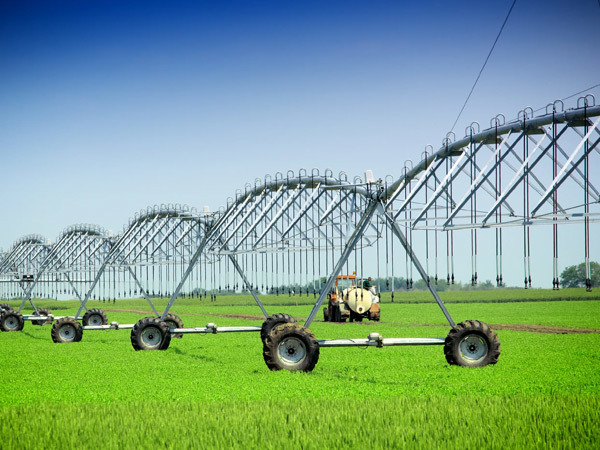
Center pivot irrigation is a method that uses rotating sprinklers mounted on wheeled towers to irrigate crops. Unlike traditional irrigation systems that rely on fixed layouts, center pivot systems can cover a large area while moving in a circular pattern around a central pivot point. This allows for uniform water distribution across fields, reducing water wastage and ensuring that crops receive the necessary moisture.
The Structure of Center Pivot Systems
The core components of a center pivot irrigation system include:
- **Pivot Point**: The central axis from which the entire system rotates.
- **Sprinkler Heads**: These are strategically placed along the pipeline to dispense water evenly over the field.
- **Wheels and Towers**: These enable the system to move and rotate around the pivot point.
- **Electric Drive System**: This powers the movement and operation of the irrigation system.
3. Benefits of Electric Center Pivot Irrigation
Electric center pivot irrigation systems offer numerous advantages that contribute to improved farming efficiency.
3.1 Improved Water Efficiency
One of the primary advantages of electric center pivot irrigation is its ability to enhance water efficiency. By delivering water directly to the root zone of crops, these systems minimize evaporation and runoff. Farmers can program the system to operate during optimal hours, ensuring that water is utilized effectively.
3.2 Enhanced Crop Yields
With precise water management, crops receive the right amount of moisture at the right time, leading to significant increases in yields. Studies show that properly implemented center pivot systems can improve crop productivity by up to 30%. This increase not only boosts farmers' profits but also contributes to food security.
3.3 Reduced Labor Costs
Electric center pivot systems automate the irrigation process, reducing the need for manual labor. This efficiency allows farmers to allocate their workforce to other critical tasks, ultimately saving time and labor costs. The automation also minimizes human error, ensuring consistent water distribution.
3.4 Environmental Sustainability
Sustainable farming practices are becoming increasingly important in today’s agricultural landscape. Electric center pivot irrigation systems support environmental sustainability by reducing water consumption and minimizing chemical runoff. By utilizing precise irrigation methods, farmers can also reduce the need for fertilizers and pesticides, promoting healthier ecosystems.
4. How Electric Center Pivot Irrigation Works
Electric center pivot irrigation systems operate through a combination of advanced technology and mechanical components. The system is powered by an electric motor, which drives the pivot's movement around a central point. As the pivot rotates, water is delivered through pipes to the sprinkler heads, which distribute it evenly across the field.
The Role of Automation
Modern electric center pivot systems are equipped with automation features that allow farmers to control various parameters, including:
- **Irrigation Schedules**: Farmers can set specific times for irrigation based on crop needs and weather conditions.
- **Water Volume Control**: The system can be programmed to adjust the amount of water delivered according to soil moisture levels.
- **Monitoring Systems**: Many systems come with sensors that provide real-time data on soil moisture and weather conditions, allowing for better decision-making.
5. Installation and Maintenance of Electric Center Pivot Systems
Implementing an electric center pivot irrigation system involves careful planning and execution. Here’s a breakdown of the installation and maintenance processes.
Installation Process
1. **Site Assessment**: Assess the land to determine the appropriate size and layout for the pivot system.
2. **Designing the System**: Collaborate with irrigation specialists to design a system tailored to your specific crop and soil conditions.
3. **Construction**: Install the pivot system, ensuring all components are properly connected and secured.
4. **Testing**: Conduct tests to ensure the system operates effectively and efficiently.
Maintenance Tips
Regular maintenance is essential to ensure the longevity and efficiency of electric center pivot systems:
- **Regular Inspections**: Check for leaks, blockages, and wear on moving parts.
- **Cleaning Sprinkler Heads**: Clean the sprinklers to prevent clogging and ensure even water distribution.
- **Monitor Electric Components**: Regularly check electrical connections and replace any faulty components.
6. Case Studies and Success Stories
Numerous farms around the world have successfully implemented electric center pivot irrigation systems, leading to remarkable improvements in efficiency and productivity.
Case Study 1: Smith Family Farms
Located in the Midwest, Smith Family Farms transitioned to an electric center pivot system after struggling with inefficient manual irrigation practices. Within the first season, they reported a 25% increase in crop yields and a 40% reduction in water use.
Case Study 2: Green Valley Organics
This organic farm adopted electric center pivot irrigation to meet its sustainability goals. By utilizing precise watering techniques, Green Valley Organic reduced water consumption while maintaining healthy crop yields. The farm's commitment to environmental stewardship has attracted a loyal customer base, enhancing its market presence.
7. Common Challenges and Solutions
Like any agricultural technology, electric center pivot irrigation systems can present challenges. Here are some common issues and their solutions.
Challenge 1: High Initial Costs
The upfront investment for electric center pivot systems can be significant. However, farmers should consider the long-term savings in water and labor costs, which can offset the initial expense.
Challenge 2: Technical Issues
If not properly maintained, these systems can experience mechanical failures. Regular maintenance and investing in reliable technology can mitigate these risks.
8. Frequently Asked Questions
Q1: How much water can an electric center pivot irrigation system save?
A1: Depending on the system design and management practices, farmers can save between 20-50% of water compared to traditional irrigation methods.
Q2: What types of crops are best suited for center pivot irrigation?
A2: Center pivot systems are versatile and can effectively irrigate a wide range of crops, including corn, soybeans, alfalfa, and many others.
Q3: How often should I run my electric center pivot system?
A3: The frequency of operation depends on the crop’s water needs, soil conditions, and weather patterns. Monitoring soil moisture levels can help determine the optimal irrigation schedule.
Q4: Can I retrofit my existing irrigation system to electric center pivot?
A4: Yes, many older irrigation systems can be upgraded to electric center pivot systems. Consulting with an irrigation specialist will help determine feasibility and costs.
Q5: Are electric center pivot systems suitable for small farms?
A5: While traditionally used in larger agricultural operations, there are smaller pivot systems designed for smaller plots, making them accessible to small farmers as well.
9. Conclusion
Electric center pivot irrigation has transformed the way farmers manage water resources, offering enhanced efficiency, increased crop yields, and sustainable farming practices. By investing in this technology, farmers can not only improve their operational efficiency but also contribute positively to the environment and food security. As the agricultural landscape continues to evolve, embracing innovative irrigation solutions like electric center pivot systems will be essential for future success.
Learn more about industry dynamics


New customers enjoy 10% product discount
PRODUCT CENTER
CONTACT US
Address: 2-1-2301, Phoenix International Plaza, High-tech Zone, Jinan City, Shandong Province
Quality of service to win customer satisfaction


Shandong Yihe Agricultural Technology Co., Ltd. (Shandong Kewo Water-Saving Irrigation Equipment Co., Ltd.)