A high-tech enterprise specializing in large-scale sprinkler irrigation and water and fertilizer integration


Innovative Designs in Solar Center Pivot Irrigation for Enhanced Performance
Release time:
Sep 11,2025
Innovative Designs in Solar Center Pivot Irrigation for Enhanced Performance Table of Contents 1. What is Solar Center Pivot Irrigation? 2. Benefits of Solar Center Pivot Irrigation 3. Current Technological Advancements 4. Innovative Design Features in Solar Center Pivot Systems 5. The Sustainability Aspect of Solar Center Pivot Irrigation 6. Future Trends in Solar Center
Innovative Designs in Solar Center Pivot Irrigation for Enhanced Performance
Table of Contents
- 1. What is Solar Center Pivot Irrigation?
- 2. Benefits of Solar Center Pivot Irrigation
- 3. Current Technological Advancements
- 4. Innovative Design Features in Solar Center Pivot Systems
- 5. The Sustainability Aspect of Solar Center Pivot Irrigation
- 6. Future Trends in Solar Center Pivot Irrigation
- 7. Case Studies and Success Stories
- 8. Frequently Asked Questions
- 9. Conclusion
1. What is Solar Center Pivot Irrigation?
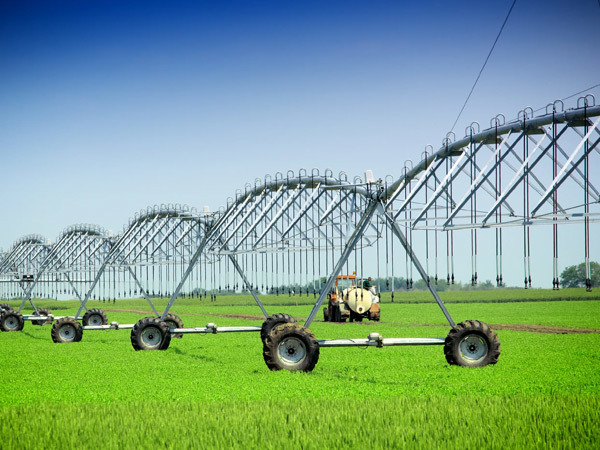
Solar center pivot irrigation systems are advanced agricultural technologies designed to provide efficient water distribution to crops. These systems use a circular, rotating arm mechanism supported by a central pivot. Integrating solar energy into this irrigation method has transformed traditional practices, enhancing efficiency and reducing dependency on fossil fuels. The incorporation of solar panels enables the automation of water distribution while minimizing operational costs.
2. Benefits of Solar Center Pivot Irrigation
Solar center pivot irrigation systems offer a myriad of benefits for modern agricultural practices:
Cost-Effectiveness
By harnessing solar energy, farmers can significantly reduce electricity expenses. This self-sufficient energy system provides a reliable power source for pumps and controls, leading to long-term savings.
Environmental Impact
Utilizing solar power reduces greenhouse gas emissions associated with fossil fuel consumption. This sustainable method of irrigation helps mitigate climate change and supports eco-friendly agricultural practices.
Enhanced Crop Yield
The precision watering capabilities of solar center pivot systems ensure crops receive the right amount of water at optimal times. This targeted irrigation leads to improved growth rates and yields.
Reduced Water Waste
These systems are designed with advanced technologies that minimize water losses due to evaporation and runoff. Efficient water management promotes conservation, especially in arid regions.
3. Current Technological Advancements
The agricultural industry has witnessed significant technological advancements in solar center pivot irrigation:
Smart Irrigation Controllers
These controllers use algorithms and weather data to determine the precise irrigation needs of crops, ensuring optimal watering schedules that conserve resources.
Remote Monitoring Systems
Farmers can monitor irrigation performance, soil moisture levels, and weather conditions remotely through smartphone applications. These technologies facilitate timely decision-making and enable proactive management.
Drone Technology
Drones equipped with advanced imaging capabilities provide aerial views of crop health and irrigation efficiency. They help farmers identify areas requiring additional attention, enhancing overall farm management.
4. Innovative Design Features in Solar Center Pivot Systems
Innovative designs in solar center pivot irrigation systems continue to evolve:
Adjustable Arm Lengths
Customizable arm lengths allow farmers to adapt irrigation systems to the specific dimensions of their fields. This flexibility enhances coverage and efficiency.
Dual-Action Sprinklers
Innovative dual-action sprinklers ensure uniform water distribution, addressing various crop types and soil conditions effectively.
Energy Storage Solutions
Incorporating energy storage devices allows for the use of solar power even during cloudy days or nighttime, ensuring continuous operation and maximizing energy efficiency.
5. The Sustainability Aspect of Solar Center Pivot Irrigation
Sustainability is at the core of solar center pivot irrigation. These systems promote eco-friendly practices that benefit farmers and the environment alike:
Water Conservation
With precise application methods, these systems conserve valuable water resources, essential in regions facing water scarcity. Efficient irrigation practices support sustainable agriculture.
Soil Health Improvement
By minimizing water stress and supporting optimal crop growth, solar center pivot systems contribute to healthier soils. This leads to better nutrient retention and soil structure.
Reduced Carbon Footprint
Transitioning to solar energy directly reduces a farm's carbon footprint, making agricultural practices more sustainable and eco-conscious.
6. Future Trends in Solar Center Pivot Irrigation
The future of solar center pivot irrigation looks promising, with trends indicating continued innovation and growth:
Integration with Precision Agriculture
The synergy between solar irrigation systems and precision agriculture is becoming more pronounced. Farmers can expect more integrated technologies that allow for hyper-specific irrigation strategies.
Advanced Sensor Technologies
Developments in sensor technology will enable real-time monitoring of soil conditions, optimizing irrigation scheduling and water usage further.
Increased Adoption of Renewable Energy**
As global awareness of renewable energy grows, more farmers are likely to adopt solar center pivot systems to align with sustainable practices and regulations.
7. Case Studies and Success Stories
Real-world applications of solar center pivot irrigation systems highlight their effectiveness:
Case Study: Desert Farm in Arizona
A 200-acre farm in Arizona adopted a solar center pivot system and reported a 30% reduction in water use while increasing crop yield by 25%. This proves the system's efficiency even in arid conditions.
Success Story: Sustainable Agriculture Initiative in California
A cooperative of small-scale farmers in California implemented solar irrigation systems, collectively increasing their profitability while reducing their environmental impact.
8. Frequently Asked Questions
What is the lifespan of a solar center pivot irrigation system?
With proper maintenance, these systems can last upwards of 20-25 years, providing long-term benefits.
Are solar center pivot systems suitable for all crops?
Yes, these systems can be adapted for various crops, from grains to fruits, depending on the design and settings used.
How do solar center pivot irrigation systems operate during cloudy weather?
Many systems are equipped with energy storage solutions, allowing them to function effectively even in less sunny conditions.
What initial investment is required for solar center pivot irrigation?
While the initial cost can be significant, farmers often experience rapid returns on investment through reduced energy and water costs.
Can solar center pivot irrigation systems be retrofitted to existing setups?
Yes, many components of existing systems can be upgraded to integrate solar technology, enhancing their efficiency and sustainability.
9. Conclusion
Innovative designs in solar center pivot irrigation represent a significant leap forward in agricultural practices. By enhancing efficiency, reducing environmental impact, and promoting sustainability, these systems are positioning farmers for long-term success. As technology continues to evolve, embracing solar center pivot irrigation will undoubtedly transform the agricultural landscape. Adopting these innovations not only supports profitability but also contributes to a more sustainable future for farming, ensuring food security for generations to come.
Learn more about industry dynamics


New customers enjoy 10% product discount
PRODUCT CENTER
CONTACT US
Address: 2-1-2301, Phoenix International Plaza, High-tech Zone, Jinan City, Shandong Province
Quality of service to win customer satisfaction


Shandong Yihe Agricultural Technology Co., Ltd. (Shandong Kewo Water-Saving Irrigation Equipment Co., Ltd.)