A high-tech enterprise specializing in large-scale sprinkler irrigation and water and fertilizer integration


The Importance of Regular Checks for Solar Center Pivot Irrigation Systems: Ensuring Optimal Performance and Crop Health
Release time:
Sep 12,2025
The Importance of Regular Checks for Solar Center Pivot Irrigation Systems Understanding Solar Center Pivot Irrigation Systems Solar center pivot irrigation systems are revolutionizing the agricultural landscape. These systems, utilizing solar energy, provide an efficient solution for watering crops in various terrains. The mechanics are straightforward: water is distributed through a series of pi
The Importance of Regular Checks for Solar Center Pivot Irrigation Systems
Understanding Solar Center Pivot Irrigation Systems
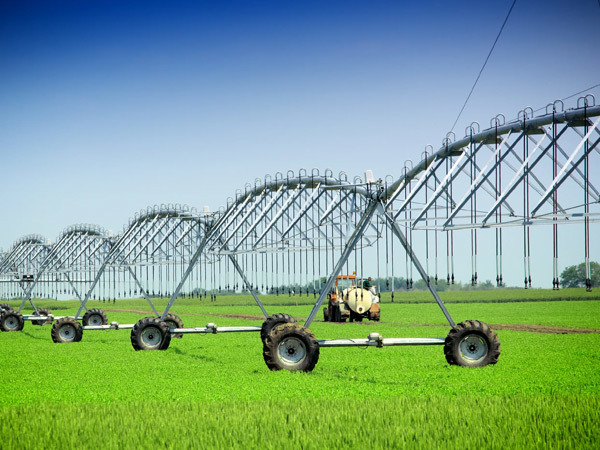
Solar center pivot irrigation systems are revolutionizing the agricultural landscape. These systems, utilizing solar energy, provide an efficient solution for watering crops in various terrains. The mechanics are straightforward: water is distributed through a series of pipes on wheeled towers, pivoting around a central point. However, this simplicity belies the complexity of maintaining these systems to ensure they function optimally.
Why Regular Checks are Essential
Routine inspections of solar center pivot irrigation systems are vital for several reasons:
1. Maximizing Efficiency
Without regular checks, the efficiency of the irrigation system can decline. Issues like blockages, leaks, or mechanical failures can hinder water distribution, leading to uneven crop watering.
2. Preventing Costly Repairs
Identifying problems early through regular inspections can save farmers substantial amounts of money. Addressing minor issues before they escalate into major repairs can prevent expensive downtime.
3. Enhancing Crop Health
Healthy crops require consistent watering. Regular checks ensure that plants receive the right amount of water at the right time, mitigating the risk of drought stress or overwatering.
Key Components to Inspect
Understanding what parts of the solar center pivot irrigation system require inspection is crucial. Here are the main components to focus on:
1. Pivot Components
Inspect the pivot points regularly. Look for signs of wear and tear, including rust or mechanical failure. Proper lubrication of moving parts is essential to ensure smooth operation.
2. Water Distribution System
Check for blockages in the pipes and nozzles. Sediment and debris can accumulate, drastically affecting water flow. Regularly clean and flush the system to maintain optimal functionality.
3. Electrical System
Solar panels and their connections should be regularly inspected. Ensure that the solar panels are clean and free from debris, as this directly impacts their efficiency. Additionally, check the wiring for signs of wear and secure connections to prevent electrical faults.
4. Control Systems
The control panel is the brain of your irrigation system. Regularly check for software updates and ensure that the sensors are functioning correctly to provide accurate readings on soil moisture and system performance.
Best Practices for Conducting Inspections
Establishing a routine inspection schedule is key to ensuring that your solar center pivot irrigation system remains in peak condition.
1. Seasonal Inspections
Conduct a full inspection at the beginning of each growing season. This helps identify any issues that may have developed during the off-season.
2. Monthly Checks
Implement monthly checks focusing on critical components like the water distribution system and electrical components. This frequency can help catch minor issues before they become significant.
3. Post-Storm Evaluations
After severe weather events, conduct thorough inspections. High winds or heavy rain can cause physical damage to the system.
Technology and Tools for Efficient Monitoring
Advancements in technology provide farmers with resources to monitor their solar center pivot irrigation systems effectively.
1. Remote Monitoring Systems
Consider investing in remote monitoring tools that allow you to track system performance from your smartphone or computer. These tools can provide real-time alerts for any potential issues.
2. Drones and Aerial Imaging
Utilizing drones to inspect large fields can save time and provide a comprehensive overview of the system’s performance. Aerial imaging can help identify areas of inadequate water coverage.
Long-term Benefits of Regular Checks
Investing time in regular checks of your solar center pivot irrigation system pays dividends in the long run.
1. Sustainability
Regular maintenance helps ensure that the system operates efficiently, reducing water waste and promoting sustainable farming practices.
2. Increased Yield
Crops that receive consistent, adequate watering tend to yield higher outputs. Regular checks contribute to overall crop health and productivity.
3. Enhanced Lifespan of Equipment
Routine inspections can extend the lifespan of your irrigation system. By addressing minor issues promptly, you can avoid major repairs that could shorten the system's operational life.
Common Issues Found During Inspections
Understanding the potential problems that can be uncovered during inspections can prepare farmers for action.
1. Leaks in the System
Leaks can lead to significant water loss and should be repaired immediately to maintain efficiency.
2. Blocked Nozzles
Regularly check for blockages that can reduce water flow, leading to uneven irrigation.
3. Electrical Failures
Faulty wiring or damaged sensors can impede system functionality. Regular checks will help catch these issues proactively.
FAQs About Solar Center Pivot Irrigation Systems
1. How often should I inspect my solar center pivot irrigation system?
Regular inspections should occur seasonally, with monthly checks recommended for critical components.
2. What are the signs of a malfunctioning irrigation system?
Signs include uneven water distribution, physical damage to the system, and unexpected changes in crop health.
3. Can I perform the inspections myself?
Yes, many inspections can be performed by farmers; however, consulting with a professional for complex issues is advisable.
4. What tools do I need for inspections?
Basic tools include wrenches, screwdrivers, and cleaning supplies, along with technology like monitoring apps or drones for larger farms.
5. What is the cost of neglecting inspections?
Neglecting inspections can lead to costly repairs, reduced crop yields, and wasted resources, ultimately impacting profit margins.
Conclusion
Regular checks of solar center pivot irrigation systems are not just beneficial; they are essential for sustaining agricultural practices in today's economy. By ensuring that every component operates efficiently and effectively, farmers can maximize their yield while minimizing waste and costs. The proactive approach fosters healthier crops, extends the lifespan of equipment, and contributes to sustainable farming practices. As we continue to embrace technology in agriculture, maintaining a routine inspection schedule will be a key to success. Prioritizing these checks is an investment in the future of farming—one that pays off in both the short and long term.
Learn more about industry dynamics

New customers enjoy 10% product discount
PRODUCT CENTER
CONTACT US
Address: 2-1-2301, Phoenix International Plaza, High-tech Zone, Jinan City, Shandong Province
Quality of service to win customer satisfaction


Shandong Yihe Agricultural Technology Co., Ltd. (Shandong Kewo Water-Saving Irrigation Equipment Co., Ltd.)