A high-tech enterprise specializing in large-scale sprinkler irrigation and water and fertilizer integration


Valley Lateral Move Irrigators in Arid Regions: Best Practices for Efficient Water Management
Release time:
Sep 12,2025
Valley Lateral Move Irrigators in Arid Regions: Best Practices for Efficient Water Management In arid regions where water scarcity poses a significant challenge to agriculture, effective irrigation practices are essential for sustainable farming. Valley Lateral Move Irrigators offer a practical solution, allowing farmers to optimize water use while maximizing crop yield. This article explores best
Valley Lateral Move Irrigators in Arid Regions: Best Practices for Efficient Water Management
In arid regions where water scarcity poses a significant challenge to agriculture, effective irrigation practices are essential for sustainable farming. Valley Lateral Move Irrigators offer a practical solution, allowing farmers to optimize water use while maximizing crop yield. This article explores best practices for implementing and managing these irrigation systems to ensure efficiency and sustainability in arid environments.
Table of Contents
- Understanding Valley Lateral Move Irrigators
- Benefits of Lateral Move Irrigators in Arid Regions
- Choosing the Right Irrigation System
- Effective Water Management Strategies
- Maintenance and Care for Irrigation Systems
- Innovations in Irrigation Technology
- Case Studies and Success Stories
- Frequently Asked Questions
- Conclusion
Understanding Valley Lateral Move Irrigators
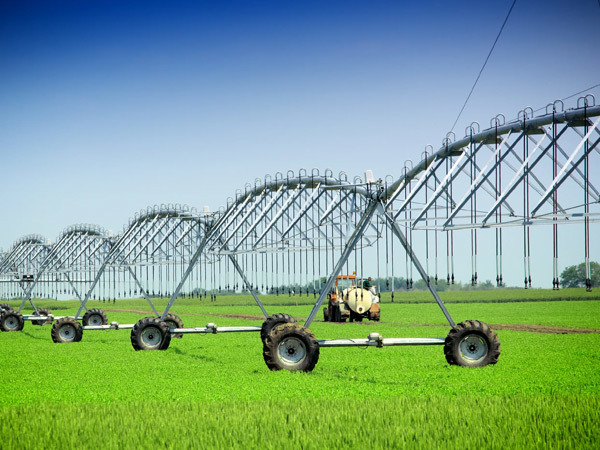
Valley Lateral Move Irrigators, often referred to as lateral move systems, are advanced irrigation solutions designed for large agricultural fields. Unlike traditional fixed systems, these irrigators can move laterally across the field, ensuring uniform water application and reducing waste. They are particularly well-suited for arid regions, where every drop of water counts.
The system comprises a series of wheeled towers that traverse the field, applying water efficiently. This movement allows for optimal coverage, minimizing overspray and runoff, which is crucial in maintaining soil moisture levels in arid climates. These systems can be automated and equipped with advanced technologies, such as sensors and controllers, to adjust irrigation schedules based on real-time data.
Benefits of Lateral Move Irrigators in Arid Regions
The use of Valley Lateral Move Irrigators in arid regions offers several advantages:
- Water Efficiency: These systems are designed to apply water uniformly, reducing evaporation and runoff. This efficiency is vital in arid areas where water is scarce.
- Soil Conservation: By minimizing soil erosion and maintaining soil structure, lateral move irrigators contribute to healthier crop growth and improved yields.
- Flexibility and Versatility: The ability to move across the field allows farmers to adapt to different crop needs and field conditions, making these systems suitable for various agricultural practices.
- Cost-Effectiveness: Although the initial investment may be higher than traditional systems, the long-term savings on water and increased crop yields justify the cost.
- Automation Potential: Many lateral move systems can be integrated with smart technologies, allowing for remote monitoring and management, thereby saving time and resources.
Choosing the Right Irrigation System
Selecting the appropriate irrigation system is crucial for maximizing efficiency in arid regions. Here are key factors to consider when choosing a Valley Lateral Move Irrigator:
1. Field Size and Shape
The dimensions and contour of your fields will determine the type of lateral move system that is most effective. Consider systems designed for fields with various shapes to ensure optimal water distribution.
2. Crop Type
Different crops have varying water requirements. Understanding these needs will help in selecting a system that provides adequate irrigation without excess.
3. Soil Type
Soil composition affects water retention and drainage. Choose an irrigator that complements your soil characteristics to enhance moisture retention.
4. Water Source and Quality
Ensure that the water source is reliable and of good quality. Assess the salinity and other properties of the water to avoid adverse effects on crops.
5. Budget and ROI
Evaluate your budget and consider the return on investment (ROI). While advanced systems may require higher initial costs, the long-term savings in water and increased productivity can offset these expenses.
Effective Water Management Strategies
Implementing effective water management strategies is essential for maximizing the benefits of Valley Lateral Move Irrigators. Here are some best practices:
1. Monitor Soil Moisture
Use soil moisture sensors to provide real-time data on water levels. This information can help you adjust irrigation schedules and volumes, ensuring crops receive adequate moisture without overwatering.
2. Schedule Irrigation Wisely
Timing is crucial in irrigation. Schedule watering during cooler parts of the day to minimize evaporation and maximize absorption. Early morning or late evening are typically the best times for irrigation.
3. Implement Crop Rotation
Practicing crop rotation can improve soil health and moisture retention. Different crops have varying water needs, which can help balance water usage across seasons.
4. Use Cover Crops
Planting cover crops can help improve soil structure, reduce evaporation, and increase organic matter, contributing to better moisture retention.
5. Employ Advanced Technologies
Integrate technologies such as telemetry and remote sensing to automate irrigation systems. These technologies can help manage water use efficiently and reduce labor costs.
Maintenance and Care for Irrigation Systems
Regular maintenance of Valley Lateral Move Irrigators is crucial for ensuring long-term performance and efficiency. Here are essential maintenance practices:
1. Regular Inspections
Conduct routine inspections to identify any issues such as leaks, clogs, or malfunctions. Early detection can prevent costly repairs and downtime.
2. Clean Filters and Nozzles
Debris can accumulate in filters and nozzles, reducing efficiency. Regular cleaning ensures optimal water flow and distribution.
3. Lubricate Moving Parts
Ensure that all moving parts are adequately lubricated to reduce wear and tear and to promote smooth operation.
4. Monitor Wear and Tear
Keep an eye on components for signs of wear and replace them promptly to maintain system efficiency. This includes checking wheels, hoses, and water delivery systems.
5. Winterization
In colder climates, it’s essential to winterize your irrigation system to prevent damage from freezing temperatures. Drain the system and store components properly to extend their lifespan.
Innovations in Irrigation Technology
The agricultural industry is continuously evolving, and recent innovations in irrigation technology are shaping the future of water management in arid regions. Here are some noteworthy advancements:
1. Smart Irrigation Controllers
These devices adjust watering schedules based on real-time weather data, soil moisture levels, and crop needs, leading to more efficient water use.
2. Drip Irrigation Integration
Combining lateral move systems with drip irrigation can enhance water efficiency by delivering water directly to the plant roots, reducing waste.
3. Remote Monitoring Systems
Advanced remote monitoring systems allow farmers to oversee irrigation operations from anywhere, enabling quicker responses to issues and better decision-making.
4. Drones for Irrigation Management
Drones equipped with sensors can assess crop health and monitor moisture levels across vast fields, providing valuable data to optimize irrigation practices.
5. Precision Agriculture Techniques
Utilizing data analytics and precision agriculture technologies can optimize water use, ensuring that every drop counts, especially in water-scarce regions.
Case Studies and Success Stories
Numerous farmers have successfully implemented Valley Lateral Move Irrigators in arid regions, showcasing the system's effectiveness. Here are a few notable examples:
1. Case Study: Central California Almond Growers
In Central California, almond growers faced severe water restrictions due to drought conditions. By adopting Valley Lateral Move Irrigators, they achieved a 30% reduction in water usage while maintaining optimal yields, demonstrating the system's efficiency and adaptability.
2. Case Study: Arizona Vegetable Farms
Arizona vegetable farms experienced increased crop productivity after implementing lateral move systems. The precision of these systems allowed farmers to tailor their irrigation based on specific crop needs, resulting in healthier plants and improved profits.
3. Success Story: Texas Cotton Producers
In Texas, cotton producers transitioned to lateral move irrigation to combat high evaporation rates. The result was a significant increase in water efficiency and crop resilience, proving the necessity of innovative irrigation solutions in arid environments.
Frequently Asked Questions
1. What are Valley Lateral Move Irrigators?
Valley Lateral Move Irrigators are advanced irrigation systems designed to move laterally across fields, applying water evenly and efficiently, particularly in arid regions.
2. How do I maintain my lateral move irrigation system?
Regular inspections, cleaning filters and nozzles, and monitoring wear and tear are essential maintenance practices to ensure optimal performance.
3. What are the key benefits of using lateral move irrigators in arid regions?
Key benefits include water efficiency, soil conservation, flexibility, cost-effectiveness, and the potential for automation.
4. How can I optimize irrigation schedules?
Utilize soil moisture sensors and schedule watering during cooler parts of the day to enhance water absorption and minimize evaporation.
5. What technologies can enhance irrigation efficiency?
Smart controllers, drones for monitoring, and precision agriculture techniques can significantly improve irrigation efficiency in arid regions.
Conclusion
Implementing Valley Lateral Move Irrigators in arid regions represents a proactive approach to managing water resources in agriculture. By understanding the system's benefits, choosing the right equipment, employing effective water management strategies, and embracing innovations in technology, farmers can significantly improve their water efficiency and crop yields. As we face ongoing challenges related to climate change and water scarcity, adopting best practices in irrigation is essential for sustainable agriculture. Through continued education, innovation, and the sharing of success stories, we can collectively advance agricultural practices that not only enhance productivity but also safeguard our precious water resources for future generations.
Learn more about industry dynamics


New customers enjoy 10% product discount
PRODUCT CENTER
CONTACT US
Address: 2-1-2301, Phoenix International Plaza, High-tech Zone, Jinan City, Shandong Province
Quality of service to win customer satisfaction


Shandong Yihe Agricultural Technology Co., Ltd. (Shandong Kewo Water-Saving Irrigation Equipment Co., Ltd.)