A high-tech enterprise specializing in large-scale sprinkler irrigation and water and fertilizer integration


How to Upgrade Your Existing Irrigation System to Valley Lateral Move: A Comprehensive Guide
Release time:
Sep 19,2025
How to Upgrade Your Existing Irrigation System to Valley Lateral Move: A Comprehensive Guide Table of Contents Introduction to Valley Lateral Move Irrigation Systems Benefits of Valley Lateral Move Irrigation Systems Enhanced Water Management Improved Crop Yields Operational Efficiency Assessing Your Current Irrigation System K
How to Upgrade Your Existing Irrigation System to Valley Lateral Move: A Comprehensive Guide
Table of Contents
- Introduction to Valley Lateral Move Irrigation Systems
- Benefits of Valley Lateral Move Irrigation Systems
- Assessing Your Current Irrigation System
- Key Components of Valley Lateral Move Systems
- Planning Your Upgrade
- Installation Process
- Maintenance and Optimization of Your Valley Lateral Move System
- FAQs
- Conclusion
Introduction to Valley Lateral Move Irrigation Systems
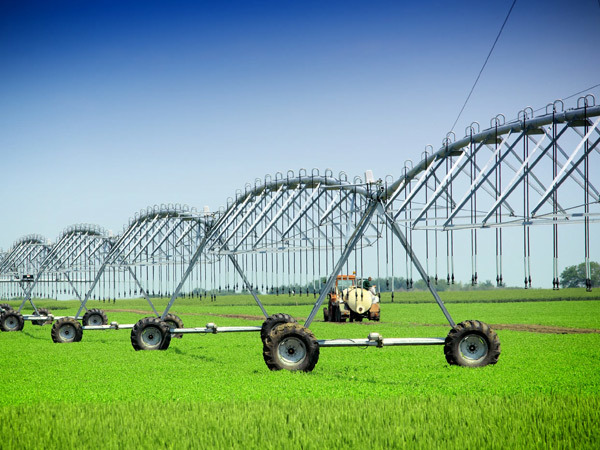
Upgrading your existing irrigation system to a Valley lateral move can significantly enhance the efficiency and productivity of your agricultural operations. Valley lateral move systems are designed to provide uniform water distribution across your fields, maximizing water usage and crop yield. This article delves into the importance of this upgrade and the various steps involved.
Benefits of Valley Lateral Move Irrigation Systems
Investing in a Valley lateral move irrigation system offers numerous advantages over traditional systems. Below are some key benefits that make this upgrade worthwhile.
Enhanced Water Management
One of the primary benefits of Valley lateral move systems is the improved water management they offer. These systems allow for precise control over water application, helping to prevent over-irrigation and under-irrigation. This efficiency leads to better water conservation and reduced costs.
Improved Crop Yields
With uniform water distribution, crops receive the moisture they need at the right times, which is crucial for optimal growth. Farmers utilizing Valley lateral move systems often report enhanced crop yields due to the consistent and adequate watering.
Operational Efficiency
Valley lateral move systems are designed to be user-friendly and require less manual labor than conventional systems. Automated controls streamline operation, allowing farmers to focus on other essential tasks, ultimately improving overall productivity.
Assessing Your Current Irrigation System
Before upgrading to a Valley lateral move system, it is essential to evaluate your existing irrigation setup. Understanding the strengths and weaknesses of your current system will help guide your upgrade process.
Key Components of Valley Lateral Move Systems
To successfully upgrade to a Valley lateral move irrigation system, one must understand its key components. These include:
1. **Mainline and Lateral Pipes**: These are critical for transporting water throughout the system.
2. **Pump Station**: Essential for delivering water at the required pressure and volume.
3. **Control System**: This component automates the irrigation process, allowing for precise scheduling and monitoring.
4. **Nozzles and Sprinklers**: These are vital for distributing water evenly across the field.
Planning Your Upgrade
Proper planning is crucial for a successful upgrade. Consider the following aspects:
Budget Considerations
Determine the budget for your upgrade, factoring in equipment costs, installation fees, and potential maintenance expenses. A well-planned budget will help avoid unexpected financial burdens.
Selecting the Right Equipment
Choosing the right equipment is vital for the efficiency of your Valley lateral move system. Research various manufacturers and models, ensuring they meet your specific agricultural needs and budget constraints.
Installation Process
The installation of a Valley lateral move irrigation system requires careful attention to detail. Below are the main steps involved.
Step-by-Step Installation
1. **Site Preparation**: Clear the area where the system will be installed. Ensure the ground is level and free from obstructions.
2. **Laying Mainline and Lateral Pipes**: Install the mainline first, followed by the lateral pipes according to the planned layout.
3. **Setting Up the Pump Station**: Install the pump station to ensure adequate water pressure.
4. **Connecting Control Systems**: Set up the control system for automated irrigation scheduling.
5. **Installing Nozzles and Sprinklers**: Attach nozzles and sprinklers to the lateral pipes for optimal water distribution.
Testing and Calibration
Once installation is complete, it's crucial to test the system. Check for leaks, ensure that the control system operates correctly, and calibrate the system for optimal performance.
Maintenance and Optimization of Your Valley Lateral Move System
After successfully upgrading your irrigation system, regular maintenance is necessary to ensure its longevity and efficiency. Maintenance tasks include:
1. **Routine Inspections**: Regularly check for leaks or blockages in the system.
2. **Cleaning Nozzles and Filters**: Ensuring that nozzles and filters are clean will maximize water flow and prevent clogs.
3. **Adjusting Settings**: As weather conditions change, adjust your irrigation schedule accordingly.
FAQs
1. What is a Valley lateral move irrigation system?
A Valley lateral move irrigation system is an automated irrigation system that moves laterally across a field, providing uniform water distribution.
2. How does upgrading to a Valley lateral move system benefit my farm?
Upgrading can lead to improved water management, enhanced crop yields, and greater operational efficiency.
3. What are the main components of a Valley lateral move system?
Key components include mainline and lateral pipes, a pump station, a control system, and nozzles or sprinklers.
4. Is it challenging to install a Valley lateral move irrigation system?
While installation requires careful planning and execution, following a structured process can simplify the task.
5. How often should I perform maintenance on my irrigation system?
Regular maintenance should be conducted throughout the growing season, with routine inspections and cleaning performed at least once a month.
Conclusion
Upgrading your existing irrigation system to a Valley lateral move system represents a significant investment in the future of your agricultural operations. By understanding the benefits, assessing your current setup, and following a structured plan for installation and maintenance, you can ensure that your investment pays off in enhanced crop yields and improved water management. With the right approach, your transition to a more efficient irrigation solution can lead to greater productivity and sustainability on your farm.
Learn more about industry dynamics


New customers enjoy 10% product discount
PRODUCT CENTER
CONTACT US
Address: 2-1-2301, Phoenix International Plaza, High-tech Zone, Jinan City, Shandong Province
Quality of service to win customer satisfaction


Shandong Yihe Agricultural Technology Co., Ltd. (Shandong Kewo Water-Saving Irrigation Equipment Co., Ltd.)