A high-tech enterprise specializing in large-scale sprinkler irrigation and water and fertilizer integration


Unlocking the Secrets of Towable Center Pivot Irrigation Systems: A Comprehensive Guide for Modern Agriculture
Release time:
Nov 01,2025
Unlocking the Secrets of Towable Center Pivot Irrigation Systems In the ever-evolving landscape of agriculture, efficiency and sustainability have become paramount. Towable center pivot irrigation systems stand at the forefront of this transformation, offering a modern solution for effective water management. In this guide, we will delve into the intricacies of these systems, their benefits, and p
Unlocking the Secrets of Towable Center Pivot Irrigation Systems
In the ever-evolving landscape of agriculture, efficiency and sustainability have become paramount. Towable center pivot irrigation systems stand at the forefront of this transformation, offering a modern solution for effective water management. In this guide, we will delve into the intricacies of these systems, their benefits, and practical applications that can enhance agricultural productivity.
Table of Contents
- What Are Towable Center Pivot Irrigation Systems?
- Key Components of Towable Center Pivot Systems
- Advantages of Using Towable Center Pivot Irrigation
- How Towable Center Pivot Systems Work
- Different Types of Towable Center Pivot Systems
- Best Practices for Maintaining Towable Center Pivot Systems
- Common Issues and Troubleshooting
- The Future of Towable Center Pivot Irrigation
- Frequently Asked Questions
- Conclusion
What Are Towable Center Pivot Irrigation Systems?
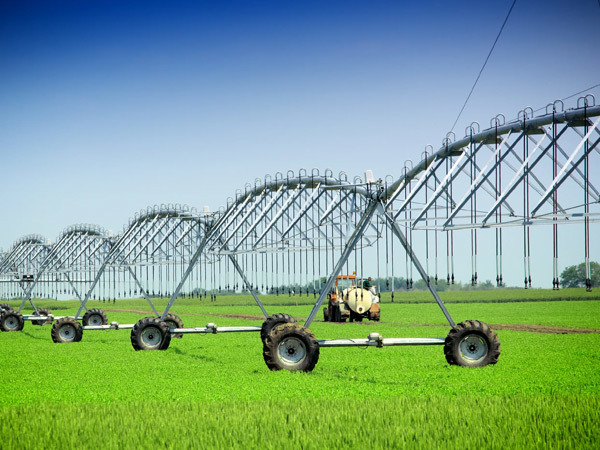
Towable center pivot irrigation systems are advanced agricultural tools designed to deliver water efficiently across large fields. Unlike traditional irrigation methods, these systems consist of a rotating arm that pivots around a central point, enabling uniform water distribution over crops. The "towable" feature allows farmers to relocate the system easily when changing crop fields or adapting to varying land layouts.
The Evolution of Irrigation Technology
The evolution of irrigation technology has led to significant advancements in water management strategies. Towable center pivot systems represent a culmination of decades of innovation aimed at maximizing crop yields while minimizing water usage. This technology is particularly beneficial in regions facing water scarcity, where every drop counts.
Key Components of Towable Center Pivot Systems
Understanding the components of a towable center pivot irrigation system is crucial for effective operation and maintenance. Here are the primary parts:
1. Central Pivot
The central pivot serves as the system's anchor point, where the motor and drive mechanisms are located. This component ensures that the entire system rotates around a fixed point, facilitating even water distribution.
2. Pivot Arm
The pivot arm extends from the central pivot and consists of multiple sections connected by joints. As the system moves, the arm delivers water to the crops below. The length of the arm can vary based on the field size and crop requirements.
3. Sprinkler Heads
Sprinkler heads, positioned along the pivot arm, are responsible for distributing water to the crops. These can be adjusted to control the flow rate and droplet size, ensuring efficient irrigation.
4. Drive Mechanism
The drive mechanism powers the rotation of the pivot arm, enabling it to move across the field. This can be electric, hydraulic, or mechanical, depending on the specific model and design.
5. Control System
Modern towable center pivot systems are equipped with advanced control systems that allow farmers to monitor and adjust irrigation schedules remotely. This feature enhances operational efficiency and water conservation.
Advantages of Using Towable Center Pivot Irrigation
The adoption of towable center pivot irrigation systems comes with a myriad of advantages that make them an attractive option for modern farmers:
1. Water Efficiency
These systems are designed for optimal water use, significantly reducing waste. They apply water directly to the root zone of crops, minimizing evaporation and runoff.
2. Uniform Water Distribution
Towable center pivot systems ensure consistent water application across the field, promoting healthy crop growth and maximizing yields. This uniformity is crucial for achieving the best possible harvests.
3. Flexibility and Mobility
The towable feature allows farmers to easily relocate the system, adapting to different crop cycles or changing land conditions. This flexibility is particularly beneficial for diverse farming operations.
4. Labor Savings
Automated control systems reduce the need for manual labor in irrigation management. Farmers can program and monitor the system remotely, freeing up time for other essential tasks.
5. Reduced Soil Erosion
By delivering water directly to the crops, towable center pivot systems help prevent soil erosion, which can occur with traditional irrigation methods that saturate the soil.
How Towable Center Pivot Systems Work
The operation of towable center pivot irrigation systems is straightforward yet highly effective. Here’s a step-by-step breakdown of how they work:
1. Setup and Configuration
Initially, the system is set up in the field, with the central pivot positioned at the designated anchor point. The pivot arm is extended to cover the desired area, and the sprinkler heads are calibrated for optimal water distribution.
2. Programming the Control System
Farmers can program the control system to establish irrigation schedules based on crop needs, weather conditions, and soil moisture levels. This automation enables precise management of water resources.
3. Activation of the Drive Mechanism
Once activated, the drive mechanism propels the pivot arm in a circular motion around the central pivot. As the system moves, the sprinkler heads release water onto the crops, ensuring even coverage.
4. Monitoring and Adjustments
Throughout the irrigation process, farmers can monitor the system’s performance through the control interface. Adjustments can be made in real-time to account for changing conditions or unforeseen issues.
Different Types of Towable Center Pivot Systems
Various models of towable center pivot irrigation systems cater to different agricultural needs. Here are some common types:
1. Standard Towable Center Pivot
This model features a traditional design, with a central pivot and a rotating arm. It is suitable for medium to large-sized fields, providing efficient irrigation for various crops.
2. High-Efficiency Towable Systems
These systems incorporate advanced technologies, such as variable rate irrigation and precision sprinklers. They are designed for maximum efficiency and are ideal for high-value crops that require careful water management.
3. Compact Towable Systems
Compact models are designed for smaller fields or specialized applications. They offer maneuverability and ease of use while still delivering efficient irrigation.
Best Practices for Maintaining Towable Center Pivot Systems
Effective maintenance of towable center pivot systems is essential for ensuring longevity and optimal performance. Here are some best practices:
1. Regular Inspections
Conduct routine inspections of the system, checking for leaks, damaged sprinkler heads, and wear on the pivot arm. Addressing issues promptly prevents more significant problems down the line.
2. Cleaning Sprinkler Heads
Keep sprinkler heads clean to ensure proper water distribution. Clogged heads can lead to uneven irrigation and negatively impact crop health.
3. Lubrication of Moving Parts
Regularly lubricate moving components, such as joints and drive mechanisms, to reduce friction and wear. This practice enhances the efficiency and lifespan of the system.
4. Monitor Water Quality
Pay attention to the quality of water used in the irrigation system. Contaminated water can damage equipment and harm crops. Regularly test water quality to ensure it meets agricultural standards.
5. Software Updates
For systems with advanced control features, ensure that software is updated regularly. New updates can improve functionality and introduce new features for enhanced irrigation management.
Common Issues and Troubleshooting
While towable center pivot irrigation systems are generally reliable, occasional issues can arise. Here are some common problems and their solutions:
1. Uneven Water Distribution
If certain areas of the field are receiving too much or too little water, check for clogged sprinkler heads or misaligned pivot arms. Cleaning or realigning these components usually resolves the issue.
2. System Stalling
System stalling can occur due to mechanical failures or power issues. Check the drive mechanism and electrical connections to identify and fix any faults.
3. Water Pressure Fluctuations
Inconsistent water pressure can affect irrigation effectiveness. Inspect the water source and ensure that there are no leaks or restrictions in the line.
4. Electrical Malfunctions
For systems with electric drivetrains, electrical issues can cause operational disruptions. Consult with a technician to diagnose and repair any electrical problems.
The Future of Towable Center Pivot Irrigation
The future of towable center pivot irrigation systems looks promising, driven by advancements in technology and an increasing focus on sustainable agriculture. Innovations such as precision agriculture, IoT integration, and smart sensors are set to revolutionize how these systems operate.
1. Smart Irrigation Technology
As technology continues to evolve, the integration of smart irrigation solutions will enable farmers to optimize water use further. Sensors can monitor soil moisture levels in real-time, providing data that can be used to adjust irrigation schedules automatically.
2. Sustainability Initiatives
With growing concerns about water scarcity, the agricultural industry is focusing on sustainable practices. Towable center pivot systems will play a crucial role in conserving water while maximizing crop productivity.
Frequently Asked Questions
1. What are the primary benefits of towable center pivot irrigation systems?
Towable center pivot irrigation systems offer numerous benefits, including water efficiency, uniform water distribution, reduced labor costs, and flexibility in operation.
2. How do I determine the right size of a towable center pivot system for my farm?
The right size depends on the field size, crop type, and specific irrigation needs. Consulting with a professional can help you choose the best option.
3. How often should I perform maintenance on my towable center pivot system?
Routine inspections should be conducted at least once a month, with thorough maintenance checks performed at the start and end of each irrigation season.
4. Can towable center pivot systems be used for all types of crops?
While towable center pivot systems are versatile and can be used for various crops, it's essential to adjust the irrigation settings based on each crop's specific water needs.
5. What advanced technologies are integrated into modern towable center pivot systems?
Modern systems often include features like GPS tracking, remote monitoring, and precision irrigation technology, allowing for enhanced efficiency and crop management.
Conclusion
Towable center pivot irrigation systems represent a significant advancement in agricultural technology, providing farmers with the tools necessary to optimize water usage and improve crop yields. By understanding their components, advantages, and maintenance practices, farmers can unlock the full potential of these systems. As we move towards a more sustainable future in agriculture, adopting such innovative solutions will be crucial for meeting the demands of a growing population while conserving vital resources. Embrace the power of towable center pivot irrigation and watch your farming practices transform!
Learn more about industry dynamics


New customers enjoy 10% product discount
PRODUCT CENTER
CONTACT US
Address: 2-1-2301, Phoenix International Plaza, High-tech Zone, Jinan City, Shandong Province
Quality of service to win customer satisfaction


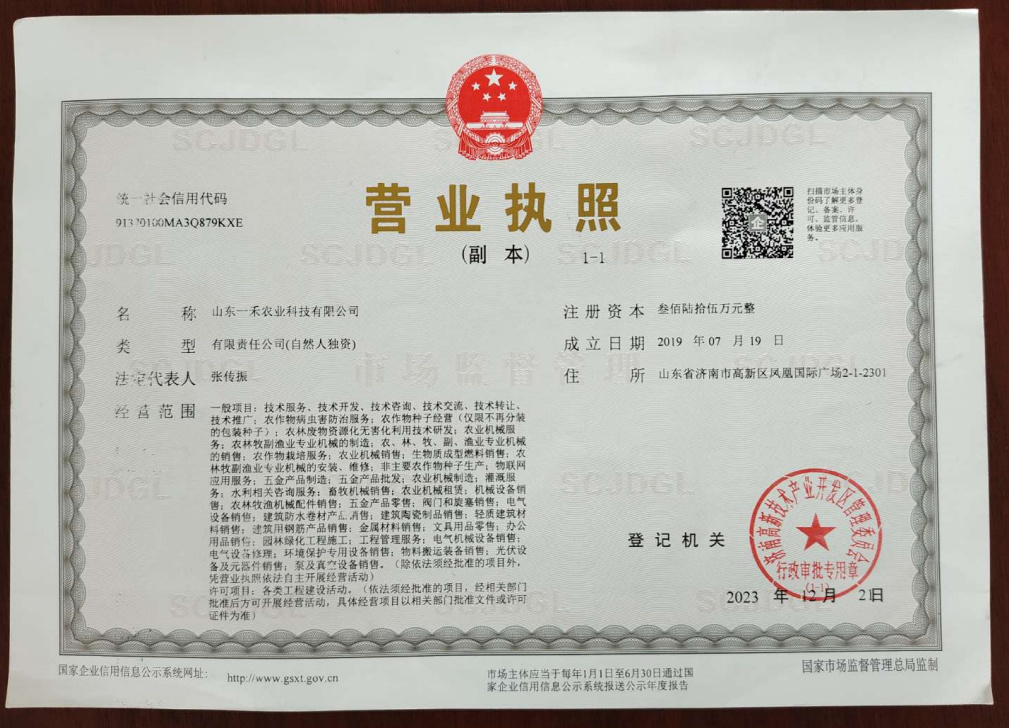
Shandong Yihe Agricultural Technology Co., Ltd. (Shandong Kewo Water-Saving Irrigation Equipment Co., Ltd.)