A high-tech enterprise specializing in large-scale sprinkler irrigation and water and fertilizer integration


How Center Pivot Irrigation Machines Revolutionize Agricultural Efficiency
Release time:
Nov 05,2025
How Center Pivot Irrigation Machines Revolutionize Agricultural Efficiency Table of Contents 1. Introduction to Center Pivot Irrigation 2. The Mechanics of Center Pivot Irrigation Machines 2.1 How They Operate 2.2 Key Components of Center Pivot Systems 3. Advantages of Using Center Pivot Irrigation 3.1 Increased Water Efficiency 3.2 Enhanced Crop Yield 3.3 Labor and Time Savings
How Center Pivot Irrigation Machines Revolutionize Agricultural Efficiency
Table of Contents
1. Introduction to Center Pivot Irrigation
2. The Mechanics of Center Pivot Irrigation Machines
2.1 How They Operate
2.2 Key Components of Center Pivot Systems
3. Advantages of Using Center Pivot Irrigation
3.1 Increased Water Efficiency
3.2 Enhanced Crop Yield
3.3 Labor and Time Savings
4. Economic Benefits of Center Pivot Irrigation
4.1 Cost-Effectiveness in the Long Run
4.2 Impact on Farm Management
5. Challenges and Considerations
5.1 Initial Investment and Maintenance
5.2 Environmental Impact
6. Future Innovations in Irrigation Technology
7. Best Practices for Implementing Center Pivot Irrigation
8. Conclusion
9. FAQs
1. Introduction to Center Pivot Irrigation
Center pivot irrigation represents a groundbreaking approach to modern farming, allowing agricultural producers to maximize their water usage while ensuring optimal crop growth. This system consists of a rotating mechanism that distributes water evenly across a field, significantly improving agricultural efficiency. With the increasing challenges of water scarcity and climate change, the adoption of center pivot irrigation machines has become pivotal for sustainable agriculture.
2. The Mechanics of Center Pivot Irrigation Machines
Understanding the mechanics behind center pivot irrigation is essential to appreciate its efficiency and effectiveness in agriculture.
2.1 How They Operate
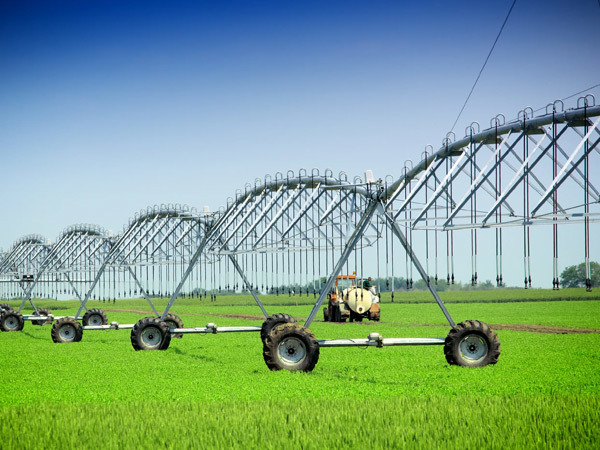
Center pivot systems deploy a series of pipes mounted on wheeled towers that rotate around a central pivot point. Water is distributed through nozzles at precise intervals, ensuring even saturation of crops. This system can cover large areas in a relatively short amount of time, making it ideal for expansive farms.
2.2 Key Components of Center Pivot Systems
The primary components of a center pivot irrigation system include the main pipeline, the rotating towers, and control panels. Each segment is designed to work in harmony to deliver water efficiently. The automation of these systems allows for programmable schedules, reducing the need for manual labor and ensuring precise water application.
3. Advantages of Using Center Pivot Irrigation
The benefits of center pivot irrigation extend beyond just water delivery; they encompass various aspects of agricultural productivity.
3.1 Increased Water Efficiency
One of the most striking advantages of center pivot systems is their water efficiency. These machines minimize water waste by utilizing advanced technology to deliver the right amount of moisture directly to the plant roots. This precision leads to higher water conservation, crucial in regions facing drought.
3.2 Enhanced Crop Yield
With improved water management, farmers can expect significant increases in crop yield. The even distribution of water promotes uniform growth, resulting in healthier plants and larger harvests. Studies have shown that farms utilizing center pivot irrigation often report yields that surpass those using traditional methods.
3.3 Labor and Time Savings
Labor shortages are a common challenge in agriculture. Center pivot irrigation systems reduce the need for manual labor by automating the irrigation process. This allows farmers to allocate their workforce to other critical tasks, enhancing overall farm productivity and efficiency.
4. Economic Benefits of Center Pivot Irrigation
Investing in center pivot irrigation can result in substantial economic advantages for farmers.
4.1 Cost-Effectiveness in the Long Run
While the initial investment in center pivot irrigation equipment may be significant, the long-term savings often justify the expense. Reduced water usage translates to lower utility costs, and increased crop yields can enhance revenue, making this investment a sound economic decision.
4.2 Impact on Farm Management
Center pivot systems provide farmers with valuable data regarding water usage and crop performance. This information allows for better decision-making and more efficient farm management practices, ultimately leading to improved profitability.
5. Challenges and Considerations
Despite the numerous advantages, there are challenges associated with center pivot irrigation that farmers should consider before implementation.
5.1 Initial Investment and Maintenance
The upfront costs of purchasing and installing center pivot systems can be daunting for some farmers. Additionally, ongoing maintenance is essential to ensure the longevity and effectiveness of the equipment. Understanding these factors is crucial for planning and budgeting.
5.2 Environmental Impact
While center pivot irrigation is more efficient than traditional methods, it is not without environmental consequences. Over-irrigation can lead to waterlogging and soil erosion. Farmers must implement best practices to mitigate these impacts and ensure sustainable operations.
6. Future Innovations in Irrigation Technology
The field of irrigation technology is ever-evolving, with innovations aimed at improving efficiency, reducing costs, and minimizing environmental impact. Future advancements may include smart irrigation systems that utilize sensors and data analytics to optimize water usage further.
7. Best Practices for Implementing Center Pivot Irrigation
To maximize the benefits of center pivot irrigation, farmers should adhere to best practices, including regular maintenance, proper calibration of nozzles, and monitoring soil moisture levels. These practices ensure that the system operates at peak efficiency and delivers the best results for crop production.
8. Conclusion
Center pivot irrigation machines have transformed agricultural efficiency by providing innovative solutions to age-old challenges in farming. From increased water efficiency and enhanced crop yields to significant economic benefits, the advantages are numerous. However, farmers must also be aware of the challenges and best practices associated with these systems. By embracing technology and sustainable practices, agricultural producers can secure a prosperous future in a rapidly changing environment.
9. FAQs
1. What is the average lifespan of a center pivot irrigation system?
Typically, a center pivot irrigation system can last between 15 to 20 years with proper maintenance.
2. How much water can a center pivot system save compared to traditional irrigation methods?
On average, center pivot irrigation can save up to 30% more water than traditional flood irrigation methods.
3. Can center pivot irrigation be used for all types of crops?
Yes, center pivot irrigation is versatile and can be used for various crops, including grains, vegetables, and fruits.
4. What factors should I consider when choosing a center pivot system?
Important factors include field size, crop type, water source, and budget.
5. Are there financing options available for purchasing center pivot systems?
Many agricultural lenders offer financing options tailored for the purchase of center pivot irrigation systems, making them more accessible for farmers.
Learn more about industry dynamics


New customers enjoy 10% product discount
PRODUCT CENTER
CONTACT US
Address: 2-1-2301, Phoenix International Plaza, High-tech Zone, Jinan City, Shandong Province
Quality of service to win customer satisfaction


Shandong Yihe Agricultural Technology Co., Ltd. (Shandong Kewo Water-Saving Irrigation Equipment Co., Ltd.)