A high-tech enterprise specializing in large-scale sprinkler irrigation and water and fertilizer integration


Enhancing Water Management: The Role of Towable Center Pivot Irrigation in Modern Agriculture
Release time:
Nov 13,2025
Enhancing Water Management: The Role of Towable Center Pivot Irrigation Table of Contents 1. Introduction to Towable Center Pivot Irrigation 2. Understanding Irrigation Systems in Agriculture 3. Benefits of Towable Center Pivot Irrigation Systems 4. Mechanism of Operation: How Towable Center Pivot Irrigation Works 5. Sustainability and Efficiency in Water Usage 6. Impact o
Enhancing Water Management: The Role of Towable Center Pivot Irrigation
Table of Contents
- 1. Introduction to Towable Center Pivot Irrigation
- 2. Understanding Irrigation Systems in Agriculture
- 3. Benefits of Towable Center Pivot Irrigation Systems
- 4. Mechanism of Operation: How Towable Center Pivot Irrigation Works
- 5. Sustainability and Efficiency in Water Usage
- 6. Impact on Crop Yields and Farm Productivity
- 7. Best Practices for Implementing Towable Center Pivot Irrigation
- 8. The Future of Towable Irrigation Technology
- 9. Frequently Asked Questions
- 10. Conclusion
1. Introduction to Towable Center Pivot Irrigation
Towable center pivot irrigation has emerged as a game-changer in agricultural practices, especially in regions where water conservation is critical. As farming faces challenges from climate change and water scarcity, innovative solutions such as towable center pivot systems offer a sustainable pathway to enhance crop production while managing water resources efficiently. This article delves into the intricacies of these irrigation systems, examining their operational mechanisms, benefits, and contributions to sustainable farming practices.
2. Understanding Irrigation Systems in Agriculture
Irrigation systems play a pivotal role in agriculture by providing crops with the necessary water to thrive, especially during dry seasons. Traditional irrigation methods, such as surface and flood irrigation, often lead to water wastage and uneven distribution. Towable center pivot irrigation offers a modern alternative, providing a series of advantages that align with the demands of contemporary agriculture.
2.1 The Evolution of Irrigation Technology
Historically, irrigation evolved from basic hand-watering techniques to advanced mechanized systems. The introduction of center pivot irrigation in the mid-20th century marked a significant turning point. This technology mechanized the irrigation process, enabling farmers to cover large areas efficiently. Towable center pivot systems further refine this approach by allowing flexibility and mobility across varying terrains.
2.2 Types of Irrigation Systems
The primary types of irrigation systems include:
- **Surface Irrigation:** Water flows over the soil surface, often leading to uneven distribution.
- **Drip Irrigation:** Delivers water directly to plant roots, enhancing efficiency but requiring more initial setup.
- **Sprinkler Irrigation:** Mimics natural rainfall but can lead to evaporation losses.
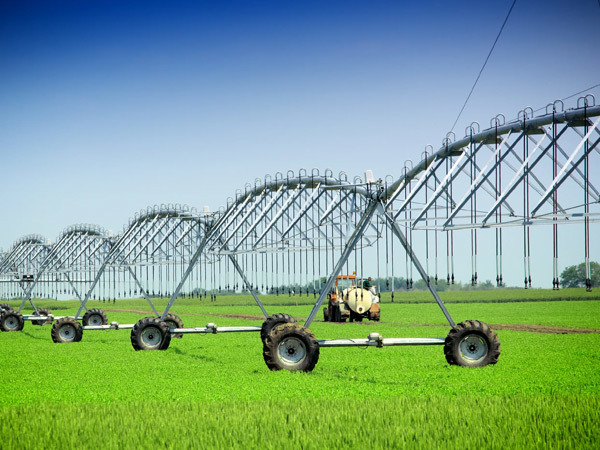
- **Center Pivot Irrigation:** Provides a rotating sprinkler system mounted on wheeled towers, covering a circular area.
Towable center pivot systems combine the advantages of traditional center pivot systems with mobility, allowing farmers to adjust their irrigation practices according to specific field needs.
3. Benefits of Towable Center Pivot Irrigation Systems
Towable center pivot irrigation systems offer numerous benefits, making them a preferred choice for modern agricultural practices.
3.1 Water Conservation
One of the most significant advantages of towable center pivot irrigation is its ability to conserve water. By delivering water directly to the crop's root zone, these systems significantly reduce water loss through evaporation and runoff, ensuring that each drop counts.
3.2 Enhanced Crop Yield
With precise water application, crops receive consistent moisture levels, which are essential for optimal growth. Research indicates that farms utilizing towable center pivot systems can achieve higher yields compared to traditional irrigation methods.
3.3 Reduced Labor Costs
Automating the irrigation process minimizes labor requirements. Farmers can manage larger areas with less manual work, allowing them to allocate their workforce to other critical tasks.
3.4 Flexibility and Mobility
Towable center pivot irrigation systems can be easily repositioned to irrigate different fields or sections of a field. This flexibility allows for more efficient land use and crop rotation strategies.
3.5 Improved Soil Health
Consistent and controlled irrigation helps maintain soil structure and prevents erosion. This is crucial for maintaining healthy soil ecosystems, which are vital for sustainable farming.
4. Mechanism of Operation: How Towable Center Pivot Irrigation Works
Understanding how towable center pivot irrigation systems operate is essential for appreciating their efficiency.
4.1 System Components
A typical towable center pivot irrigation system consists of:
- **Pivot Point:** The central axis from which the system rotates.
- **Sprinkler Heads:** Positioned along the pivot arm, these distribute water evenly across the field.
- **Control Panel:** Manages water distribution and monitors system performance.
- **Towable Mechanism:** Allows for easy movement from one field to another.
4.2 Water Delivery Process
Water is pumped from a source – such as a well or pond – and transported to the pivot point. From there, it flows through a series of pipes to the sprinkler heads, which distribute the water in a controlled manner over the designated area.
4.3 Operation Modes
Towable center pivot systems can be programmed for various operation modes, including:
- **Continuous Rotation:** For uniform watering across the field.
- **Selective Zones:** Allowing irrigation of specific areas based on crop requirements.
5. Sustainability and Efficiency in Water Usage
Sustainable farming practices are increasingly important as global water resources become strained. Towable center pivot irrigation systems are designed with efficiency in mind.
5.1 Reducing Water Footprint
These systems are engineered to minimize water usage while maximizing crop health. By tailoring irrigation schedules to specific crop needs, farmers can significantly reduce their overall water footprint.
5.2 Integrating Technology for Precision Agriculture
Advancements in technology, such as soil moisture sensors and weather forecasting tools, can be integrated with towable center pivot systems. This enables farmers to make data-driven decisions, optimizing water usage and enhancing agricultural sustainability.
6. Impact on Crop Yields and Farm Productivity
The success of any farming operation largely depends on crop yields and productivity. Towable center pivot irrigation systems have a direct impact on these critical factors.
6.1 Consistent Moisture Levels
Providing consistent moisture helps reduce stress on plants, leading to healthier crops that are more resistant to pests and diseases. This consistency translates into better quality produce and higher market values.
6.2 Crop Diversity and Rotation
With the flexibility to irrigate different crops at varying growth stages, farmers can implement crop rotation strategies that improve soil health and increase overall farm productivity.
6.3 Long-term Economic Viability
Investing in towable center pivot irrigation systems can yield significant economic benefits. The initial investment is often recouped through increased crop yields, lower water costs, and reduced labor expenses over time.
7. Best Practices for Implementing Towable Center Pivot Irrigation
Successful implementation of towable center pivot irrigation requires careful planning and execution.
7.1 Assessing Field Conditions
Before installation, it’s essential to evaluate soil types, topography, and water availability. Understanding these factors ensures the chosen system is suitable for the specific conditions of the farm.
7.2 Training and Education
Farmers and operators should undergo training to ensure they fully understand the system's capabilities and maintenance requirements. Educated users can maximize the benefits of the irrigation system.
7.3 Regular Maintenance
Routine maintenance checks are vital to ensure the system operates efficiently. This includes inspecting sprinkler heads, checking for leaks, and ensuring the pivot mechanism functions properly.
8. The Future of Towable Irrigation Technology
As technology continues to advance, the future of towable center pivot irrigation is promising. Emerging trends include:
8.1 Smart Irrigation Systems
The integration of IoT (Internet of Things) technologies can lead to smarter irrigation systems that adapt in real-time to changing weather conditions and soil moisture levels.
8.2 Renewable Energy Integration
The use of solar or wind energy to power irrigation systems is gaining traction, reducing dependency on fossil fuels and enhancing sustainability.
8.3 Enhanced Data Analytics
Data analytics tools will provide deeper insights into crop performance and irrigation efficiency, allowing farmers to make informed decisions that enhance productivity and sustainability.
9. Frequently Asked Questions
9.1 What is towable center pivot irrigation?
Towable center pivot irrigation is an advanced irrigation system that rotates around a pivot point, allowing for efficient water distribution over large agricultural areas. Its towable feature enables easy re-positioning to different fields.
9.2 How does towable center pivot irrigation conserve water?
This system delivers water directly to the crop root zones, reducing evaporation and runoff. It allows for precise control over water application, ensuring minimal waste.
9.3 What crops are best suited for towable center pivot irrigation?
Towable center pivot irrigation is suitable for a variety of crops, including corn, soybeans, wheat, and various vegetables. Its flexibility allows for adaptation to different crop requirements.
9.4 What are the initial costs associated with installing towable center pivot irrigation?
Initial costs can vary based on the size of the system and specific field conditions. However, farmers often find that the investment pays off through increased yields and reduced operational costs.
9.5 Can towable center pivot systems be integrated with other technologies?
Yes, towable center pivot irrigation systems can be integrated with various technologies, such as soil moisture sensors and weather monitoring tools, to enhance efficiency and sustainability.
10. Conclusion
Towable center pivot irrigation is revolutionizing water management in agriculture, providing farmers with a robust solution to enhance efficiency, conserve water, and ultimately increase crop yields. As we face growing challenges related to water scarcity and climate change, embracing innovative irrigation technologies becomes not just beneficial but essential for sustainable farming practices. By understanding the operational mechanisms and best practices associated with these systems, farmers can position themselves for success in an ever-evolving agricultural landscape.
Learn more about industry dynamics


New customers enjoy 10% product discount
PRODUCT CENTER
CONTACT US
Address: 2-1-2301, Phoenix International Plaza, High-tech Zone, Jinan City, Shandong Province
Quality of service to win customer satisfaction


Shandong Yihe Agricultural Technology Co., Ltd. (Shandong Kewo Water-Saving Irrigation Equipment Co., Ltd.)