A high-tech enterprise specializing in large-scale sprinkler irrigation and water and fertilizer integration


Exploring the Mechanisms Behind Center Pivot Irrigation Technology: A Comprehensive Guide
Release time:
Nov 17,2025
Exploring the Mechanisms Behind Center Pivot Irrigation Technology Table of Contents 1. Introduction to Center Pivot Irrigation Technology 2. Understanding the Components of Center Pivot Systems 3. How Center Pivot Irrigation Works 4. Advantages of Using Center Pivot Irrigation 4.1 Water Conservation and Efficiency 4.2 Reduced Labor Costs 4.3 Enhanced Crop Yield 5. Challenges and Solutions in Cent
Exploring the Mechanisms Behind Center Pivot Irrigation Technology
Table of Contents
1. Introduction to Center Pivot Irrigation Technology
2. Understanding the Components of Center Pivot Systems
3. How Center Pivot Irrigation Works
4. Advantages of Using Center Pivot Irrigation
4.1 Water Conservation and Efficiency
4.2 Reduced Labor Costs
4.3 Enhanced Crop Yield
5. Challenges and Solutions in Center Pivot Irrigation
5.1 Technical Challenges
5.2 Environmental Considerations
6. Future Trends in Center Pivot Irrigation Technology
7. Conclusion
8. Frequently Asked Questions (FAQs)
1. Introduction to Center Pivot Irrigation Technology
Center pivot irrigation stands at the forefront of modern agricultural practices, providing an efficient and effective method for watering crops. This technology uses a rotating system of pipes to deliver water to fields in a circular pattern. By utilizing this advanced system, farmers can manage their water resources more effectively while ensuring optimal crop growth.
2. Understanding the Components of Center Pivot Systems
A center pivot irrigation system is composed of several key components that work together to deliver water efficiently:
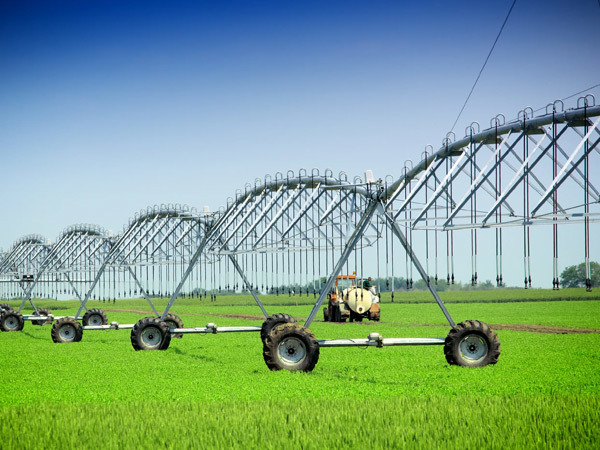
- **Pivot Point**: Located at the center of the irrigated field, the pivot point is the anchor for the entire system. It serves as the rotation axis for the machinery.
- **Span**: This refers to the length of the pipe sections that extend outward from the pivot point. Each span can vary in length, with some systems reaching up to 1,000 feet.
- **Gears and Wheels**: These mechanisms allow the pivot system to rotate and move across the field. They also help in adjusting the speed of the operation.
- **Sprinklers**: Positioned along the spans, sprinklers disperse water over the crops. Various sprinkler types can be used depending on the crop needs and soil conditions.
- **Control Systems**: Modern center pivot systems often include advanced control technologies that allow farmers to automate the irrigation process, optimizing water usage and timing.
3. How Center Pivot Irrigation Works
Center pivot irrigation operates by rotating around a central pivot point, moving in a circular pattern. As the system moves, water is distributed through the sprinklers positioned at regular intervals along the spans.
The process typically involves the following steps:
1. **Water Supply**: Water is pumped from a reliable source, such as a well or reservoir, to the pivot system.
2. **Pipe Distribution**: The water moves through the main pipeline and into the individual spans.
3. **Sprinkler Activation**: As the pivot rotates, the sprinklers activate sequentially to distribute water evenly across the field.
4. **Monitoring**: Farmers can adjust the irrigation schedule and water output based on real-time data, ensuring crops get the precise amount of water they need.
4. Advantages of Using Center Pivot Irrigation
Implementing center pivot irrigation brings numerous benefits that can significantly enhance farming operations.
4.1 Water Conservation and Efficiency
One of the primary advantages of center pivot irrigation is its ability to conserve water. The system minimizes evaporation and runoff, ensuring that more water reaches the crops. This efficient water usage is particularly crucial in regions facing water scarcity.
4.2 Reduced Labor Costs
Center pivot systems require less manual labor compared to traditional irrigation methods. Once installed, these systems can be operated automatically, allowing farmers to focus their efforts on other critical aspects of farming.
4.3 Enhanced Crop Yield
With precise water application, crops receive the optimal amount of moisture, leading to improved growth rates and crop yields. This technology enables farmers to produce more food on less land, meeting the demands of a growing population.
5. Challenges and Solutions in Center Pivot Irrigation
While center pivot irrigation offers substantial benefits, it also presents challenges that farmers must address.
5.1 Technical Challenges
Maintaining center pivot systems can be complex due to mechanical failures or malfunctions. Regular maintenance and monitoring are essential to ensure that all components function correctly. Farmers should invest in training for their staff to handle these systems.
5.2 Environmental Considerations
Improper use of center pivot irrigation can lead to soil erosion and nutrient depletion. To mitigate these issues, farmers should employ best management practices, such as monitoring soil moisture levels and adjusting watering schedules based on weather conditions.
6. Future Trends in Center Pivot Irrigation Technology
The future of center pivot irrigation looks promising, with advancements in technology likely to enhance its efficiency further. Here are some trends to watch:
- **Smart Irrigation**: Integration of IoT (Internet of Things) technology allows for real-time monitoring of soil moisture and weather patterns, enabling precision irrigation.
- **Drones and Satellite Technology**: These technologies can assist in assessing crop health and irrigation needs, providing farmers with valuable insights.
- **Sustainable Practices**: As environmental concerns grow, more farmers are adopting sustainable practices, such as using recycled water and optimizing their irrigation schedules based on rainfall.
7. Conclusion
Center pivot irrigation technology represents a significant advancement in agricultural practices, offering a multitude of benefits including water conservation, reduced labor costs, and enhanced crop yield. By understanding its mechanisms and addressing the associated challenges, farmers can leverage this innovative technology to improve their operations. As we move forward, continued advancements in technology will further refine center pivot irrigation, making it an essential tool for sustainable farming.
8. Frequently Asked Questions (FAQs)
What is center pivot irrigation?
Center pivot irrigation is an automated system that irrigates crops in a circular pattern using a rotating arm equipped with sprinklers.
What are the main components of a center pivot irrigation system?
The main components include the pivot point, spans, gears and wheels, sprinklers, and control systems.
How does center pivot irrigation improve water efficiency?
By minimizing evaporation and runoff, center pivot irrigation ensures that more water reaches the crops, conserving valuable resources.
Is center pivot irrigation cost-effective?
While the initial investment can be high, the reduction in labor costs and increased crop yields often make center pivot irrigation a cost-effective solution over time.
What are the environmental impacts of center pivot irrigation?
If not managed properly, center pivot irrigation can lead to soil erosion and nutrient depletion. Implementing best management practices can mitigate these issues.
Learn more about industry dynamics


New customers enjoy 10% product discount
PRODUCT CENTER
CONTACT US
Address: 2-1-2301, Phoenix International Plaza, High-tech Zone, Jinan City, Shandong Province
Quality of service to win customer satisfaction


Shandong Yihe Agricultural Technology Co., Ltd. (Shandong Kewo Water-Saving Irrigation Equipment Co., Ltd.)