A high-tech enterprise specializing in large-scale sprinkler irrigation and water and fertilizer integration


Achieving Water Conservation with Center Pivot Irrigation Techniques: A Comprehensive Guide
Release time:
Nov 30,2025
Achieving Water Conservation with Center Pivot Irrigation Techniques In an era where water scarcity is becoming increasingly prevalent, the agricultural sector must adapt to sustainable practices that ensure efficient resource use. One of the most effective methods in modern agriculture is **center pivot irrigation**. This innovative technique not only enhances crop yield but also significantly co
Achieving Water Conservation with Center Pivot Irrigation Techniques
In an era where water scarcity is becoming increasingly prevalent, the agricultural sector must adapt to sustainable practices that ensure efficient resource use. One of the most effective methods in modern agriculture is **center pivot irrigation**. This innovative technique not only enhances crop yield but also significantly contributes to **water conservation**. In this article, we will explore the various aspects of center pivot irrigation, its benefits, and its role in promoting sustainable agricultural practices.
Table of Contents
- 1. Understanding Center Pivot Irrigation
- 2. Benefits of Center Pivot Irrigation Techniques
- 3. Water Conservation Impacts of Center Pivot Irrigation
- 4. Technology Behind Center Pivot Irrigation Systems
- 5. Best Practices for Implementing Center Pivot Irrigation
- 6. Challenges and Solutions in Center Pivot Irrigation
- 7. Real-World Examples of Successful Implementations
- 8. The Future of Center Pivot Irrigation in Sustainable Agriculture
- 9. FAQs About Center Pivot Irrigation and Water Conservation
- 10. Conclusion
1. Understanding Center Pivot Irrigation
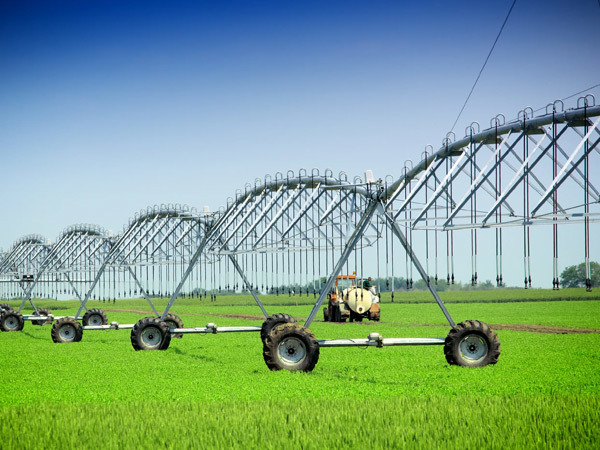
Center pivot irrigation is a method that utilizes a rotating set of sprinklers mounted on wheeled towers, which pivot around a central point. This irrigation system is particularly efficient for large fields, where it can deliver water uniformly across the crop area. Its design allows for optimal water application, minimizing runoff and evaporation losses. By employing this method, farmers can achieve significant water savings while ensuring their crops receive the moisture they need to thrive.
2. Benefits of Center Pivot Irrigation Techniques
Implementing center pivot irrigation comes with a multitude of benefits:
Enhanced Water Efficiency
Center pivot systems deliver water more efficiently than traditional irrigation methods. The design allows for precise control over water distribution, ensuring that crops receive the right amount of moisture without excess.
Reduced Labor Costs
With automated systems, farmers can save on labor costs. Center pivot irrigation minimizes the need for manual irrigation, allowing farmers to focus on other essential farm management tasks.
Improved Crop Health and Yield
By providing consistent water application, center pivot irrigation fosters healthier crop development. This results in increased yields, as plants receive adequate moisture at critical growth stages.
Flexibility and Adaptability
These systems can be adjusted to accommodate various crops and field shapes, making them versatile for different agricultural practices.
3. Water Conservation Impacts of Center Pivot Irrigation
The primary advantage of center pivot irrigation is its significant impact on water conservation:
Minimized Water Waste
Traditional irrigation methods often lead to substantial water loss due to evaporation and runoff. Center pivot systems minimize these losses through targeted application, ensuring that water goes directly to the root zones of plants.
Soil Moisture Retention
By applying water in controlled amounts, center pivot irrigation promotes better soil moisture retention. This not only conserves water but also enhances soil health, allowing for sustainable crop production.
Environmental Benefits
Water conservation through efficient irrigation practices contributes to environmental sustainability. By reducing water extraction from local sources, center pivot systems help maintain regional water levels and ecosystem health.
4. Technology Behind Center Pivot Irrigation Systems
The technology that underpins center pivot irrigation is vital for its success:
Automation and Remote Monitoring
Many modern center pivot systems come equipped with automation features that allow for remote monitoring and control. Farmers can adjust irrigation schedules and monitor soil moisture levels using mobile applications, resulting in optimized water usage.
Advanced Sprinkler Technology
Sprinkler heads play a crucial role in the efficiency of center pivot systems. Advanced designs allow for variable application rates, catering to the specific needs of different crops and soil types.
Integration with Climate Data
Some systems utilize weather data to adjust irrigation schedules. By monitoring rainfall and temperature, these systems can reduce water application during periods of sufficient natural moisture, enhancing conservation efforts.
5. Best Practices for Implementing Center Pivot Irrigation
To maximize the benefits of center pivot irrigation, consider the following best practices:
Field Assessment and Planning
A thorough assessment of field conditions is essential before installation. Factors such as soil type, crop selection, and local climate should guide the design and layout of the irrigation system.
Regular Maintenance
Maintaining the system is crucial for optimal performance. Regular inspections and maintenance of mechanical components, as well as proper calibration of sprinkler heads, will ensure efficient operation.
Water Management Strategies
Employing additional water management techniques, such as scheduling irrigation during cooler parts of the day, can further enhance water conservation efforts.
6. Challenges and Solutions in Center Pivot Irrigation
While center pivot irrigation offers numerous advantages, it is not without its challenges:
High Initial Costs
The initial investment for center pivot systems can be significant. However, the long-term savings in water and labor costs often outweigh these upfront expenses. Farmers should explore financing options and potential subsidies to alleviate this burden.
Dependence on Power Supply
Center pivot systems require a reliable power supply for optimal operation. Farmers in rural areas should consider backup power solutions, such as generators or solar panels, to ensure uninterrupted irrigation.
Technical Knowledge
Implementing advanced irrigation technology may require specialized knowledge. Training and education for farmers and operators can bridge this knowledge gap and enhance system efficiency.
7. Real-World Examples of Successful Implementations
Several farms around the world have successfully adopted center pivot irrigation, showcasing its benefits:
Case Study: The Midwestern United States
In the Midwest, many corn and soybean farmers have transitioned to center pivot irrigation to combat drought conditions. This method has allowed growers to maintain yields while conserving precious water resources.
Case Study: Australian Wheat Farms
Australian wheat farmers have turned to center pivot systems to mitigate the effects of prolonged dry spells. These systems have revolutionized water management, leading to increased productivity and sustainability.
8. The Future of Center Pivot Irrigation in Sustainable Agriculture
As agriculture continues to evolve, the future of center pivot irrigation looks promising:
Integration with Smart Farming Technologies
The rise of smart farming presents opportunities for further innovation in center pivot irrigation. By integrating Internet of Things (IoT) devices and data analytics, farmers can optimize water usage and improve crop management.
Increased Focus on Sustainability
With growing concerns about climate change and resource depletion, sustainable practices like center pivot irrigation will become increasingly vital. Policymakers and agricultural organizations are likely to promote such methods through education and incentives.
9. FAQs About Center Pivot Irrigation and Water Conservation
What is the main advantage of center pivot irrigation?
The primary advantage is its efficiency in water application, which minimizes waste and enhances crop health.
How much water can be saved with center pivot systems?
Farmers can save up to 30-50% more water compared to traditional irrigation methods, depending on the specifics of the system and field conditions.
Are center pivot systems suitable for all types of crops?
While versatile, center pivot irrigation is most effective for row crops such as corn, soybeans, and wheat. Some modifications may be necessary for other crops.
What maintenance is required for center pivot systems?
Regular maintenance includes checking for leaks, calibrating sprinkler heads, and ensuring mechanical components are in good working order.
How can farmers finance center pivot irrigation systems?
Farmers can explore financing through agricultural loans, grants, and subsidies available through government programs and agricultural organizations.
10. Conclusion
Center pivot irrigation represents a transformative approach to agricultural water management, merging efficiency with sustainability. By adopting this innovative technique, farmers can conserve water, reduce operational costs, and enhance crop yields. As global challenges related to water scarcity intensify, center pivot irrigation will play a crucial role in ensuring the resilience of agriculture. With proper planning, maintenance, and technological integration, farmers can harness the full potential of center pivot systems, paving the way for a more sustainable agricultural future.
Learn more about industry dynamics


New customers enjoy 10% product discount
PRODUCT CENTER
CONTACT US
Address: 2-1-2301, Phoenix International Plaza, High-tech Zone, Jinan City, Shandong Province
Quality of service to win customer satisfaction


Shandong Yihe Agricultural Technology Co., Ltd. (Shandong Kewo Water-Saving Irrigation Equipment Co., Ltd.)