A high-tech enterprise specializing in large-scale sprinkler irrigation and water and fertilizer integration


Towable Center Pivot Irrigation: A Comprehensive Guide to Sustainable Farming
Release time:
Dec 08,2025
Towable Center Pivot Irrigation: A Comprehensive Guide to Sustainable Farming Table of Contents Introduction to Towable Center Pivot Irrigation What is Center Pivot Irrigation? Benefits of Towable Center Pivot Irrigation How Towable Center Pivot Irrigation Works Installation Process of Towable Center Pivot Systems Maintenance and Care for Towable Center Pivot Systems E
Towable Center Pivot Irrigation: A Comprehensive Guide to Sustainable Farming
Table of Contents
- Introduction to Towable Center Pivot Irrigation
- What is Center Pivot Irrigation?
- Benefits of Towable Center Pivot Irrigation
- How Towable Center Pivot Irrigation Works
- Installation Process of Towable Center Pivot Systems
- Maintenance and Care for Towable Center Pivot Systems
- Economic Impacts of Towable Center Pivot Irrigation
- Environmental Sustainability of Towable Systems
- Conclusion
- FAQs
Introduction to Towable Center Pivot Irrigation
Towable center pivot irrigation systems have revolutionized the way agricultural producers approach water management. As the demand for food increases alongside global population growth, sustainable farming practices become more crucial. Towable center pivot irrigation offers a solution that optimizes water usage while enhancing crop yields. This article delves into the mechanics, benefits, and sustainability of towable center pivot systems, equipping farmers with the knowledge to make informed decisions.
What is Center Pivot Irrigation?
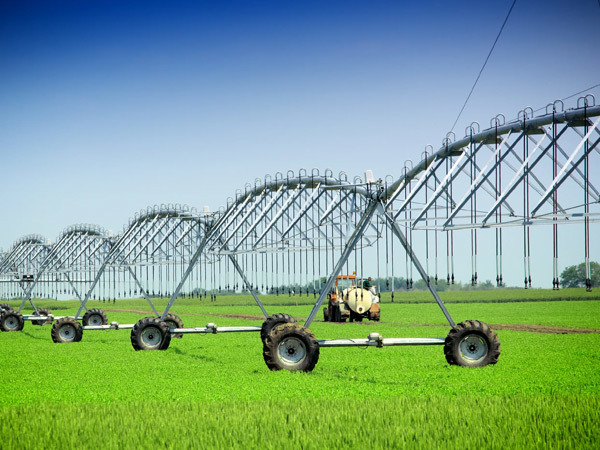
Center pivot irrigation is an automated method of applying water to crops through a rotating system of pipes mounted on wheeled towers. This system pivots around a central point, distributing water evenly over a circular area of farmland. Unlike traditional irrigation methods, center pivot systems can cover large fields efficiently, minimizing water wastage and optimizing crop growth.
Towable center pivot systems are particularly versatile, allowing farmers to relocate the entire irrigation unit as needed. This flexibility is essential for crop rotation and adapting to varying field conditions. Understanding this technology is crucial for modern farmers who aim to enhance water efficiency and boost productivity.
Benefits of Towable Center Pivot Irrigation
There are several compelling benefits to using towable center pivot irrigation systems:
1. Water Conservation
Towable center pivot systems are designed to minimize water runoff and evaporation, ensuring that crops receive precisely the amount of water they need. This efficient use of resources significantly reduces water wastage, which is critical in regions facing water scarcity.
2. Increased Crop Yields
By delivering water uniformly across the field, these systems improve crop health and yield. Access to consistent moisture allows for healthier plants that are more resilient to stress, leading to higher production levels.
3. Flexibility and Adaptability
The towable feature allows farmers to move the irrigation system to different parts of the field as necessary. This adaptability is especially beneficial for seasonal crops or when transitioning between different crops that require varying irrigation needs.
4. Labor Efficiency
Automated irrigation systems reduce the need for manual labor, allowing farmers to allocate their workforce to other critical tasks. This efficiency can significantly decrease operational costs over time.
5. Precision Agriculture
Towable center pivot systems can be integrated with modern technology such as GPS and soil moisture sensors. This integration facilitates precision agriculture, allowing farmers to apply water only where needed, further enhancing sustainability.
How Towable Center Pivot Irrigation Works
Understanding the mechanics of towable center pivot irrigation is essential for farmers looking to implement this technology.
1. Components of the System
A typical towable center pivot irrigation system consists of:
- **Mainline**: The primary pipe supplying water from the pump to the system.
- **Span**: The sections of the pivot extending from the mainline to the outermost point.
- **Towers**: Mobile structures that support the span and allow for movement.
- **Wheels**: Attached to the towers, these facilitate movement across the field.
- **Guns or Sprinklers**: Devices distributing water evenly across the crop area.
2. Operation Mechanism
The system operates through a combination of a central pivot point and motorized towers that rotate around it. Water is pumped from a source (such as a well or reservoir) through the mainline into the spans. As the system rotates, water is distributed evenly across the field, ensuring efficient irrigation.
Farmers can control the speed and timing of irrigation through a control panel, allowing for customization based on crop requirements and environmental conditions.
Installation Process of Towable Center Pivot Systems
Installing a towable center pivot irrigation system requires careful planning and execution. Here’s a step-by-step guide:
1. Site Assessment
Evaluating the field's topography, soil type, and crop selection is crucial. These factors influence the system's design and layout.
2. Designing the System
Working with irrigation specialists, farmers can design a system tailored to their specific needs, considering factors such as the size of the field and the type of crops.
3. Preparing the Site
Clearing the field of debris and ensuring level ground is necessary for optimal functionality.
4. Installing the Mainline and Towers
The mainline is installed first, followed by the towers. This process involves digging trenches for the pipes and securing the towers in place.
5. Adding Sprinklers and Controls
After the structural components are in place, the sprinklers and control systems are installed. This setup includes programming the control panel for specific irrigation timings.
6. Testing and Calibration
Once installed, the entire system should be tested to ensure proper operation and coverage. Adjustments may be necessary to optimize water distribution.
Maintenance and Care for Towable Center Pivot Systems
Regular maintenance is essential for the longevity and efficiency of towable center pivot irrigation systems.
1. Routine Inspections
Farmers should conduct frequent inspections of all components, including pipes, towers, and sprinkler heads. Checking for leaks or clogs can prevent larger issues down the line.
2. Lubrication
Moving parts, such as wheels and bearings, should be lubricated regularly to ensure smooth operation.
3. Winterization
In colder climates, winterizing the system is crucial to prevent damage from frozen water inside the pipes. This process involves draining the system and ensuring all components are protected.
4. Software Updates
For systems equipped with digital controls, keeping software updated can enhance functionality and efficiency, ensuring the system operates at peak performance.
Economic Impacts of Towable Center Pivot Irrigation
Towable center pivot irrigation systems can significantly impact a farm's bottom line.
1. Reduced Water Costs
By conserving water and using it more effectively, farmers can reduce their water bills while maintaining crop quality.
2. Improved Crop Profitability
Higher and more consistent yields translate into increased profit margins. Sustainable farming practices can also open doors to premium markets, where consumers are willing to pay more for sustainably sourced produce.
3. Lower Labor Costs
Automated irrigation reduces the need for manual labor, allowing farmers to optimize workforce allocation and reduce labor costs.
Environmental Sustainability of Towable Systems
Sustainability is a key concern in modern agriculture, and towable center pivot irrigation offers several environmental benefits.
1. Conservation of Water Resources
This system helps preserve precious water resources. By applying water precisely and efficiently, farmers can significantly reduce their overall water consumption.
2. Reduction in Soil Erosion
With controlled irrigation, the risk of soil erosion is minimized. This preservation of topsoil is essential for maintaining soil health and fertility.
3. Enhanced Biodiversity
Sustainable farming practices contribute to healthier ecosystems. By creating conditions conducive to plant growth, towable center pivot systems can enhance local biodiversity.
Conclusion
Towable center pivot irrigation is a pivotal technology in the journey toward sustainable farming. By conserving water, increasing yields, and reducing labor costs, this system presents a practical solution for modern agriculture. As farmers face the challenges of climate change and resource scarcity, implementing efficient irrigation practices will be essential for ensuring food security and environmental sustainability.
FAQs
1. What is the primary advantage of towable center pivot irrigation?
The primary advantage is its ability to conserve water while optimizing crop yields through efficient and uniform irrigation.
2. How often should I maintain my towable center pivot system?
Regular inspections should be conducted seasonally, with routine maintenance checks every few months, especially during peak irrigation periods.
3. Can towable center pivot systems be used on uneven terrain?
Yes, towable systems can adapt to various terrains, but proper site assessment and design are crucial for optimal performance.
4. What crops are best suited for center pivot irrigation?
Center pivot irrigation is versatile and can be used for a wide variety of crops, including corn, soybeans, wheat, and vegetables.
5. How do I choose the right size for my towable center pivot system?
The size depends on the specific field dimensions, crop type, and water availability. Consulting with an irrigation specialist can help determine the best fit for your needs.
Learn more about industry dynamics


New customers enjoy 10% product discount
PRODUCT CENTER
CONTACT US
Address: 2-1-2301, Phoenix International Plaza, High-tech Zone, Jinan City, Shandong Province
Quality of service to win customer satisfaction


Shandong Yihe Agricultural Technology Co., Ltd. (Shandong Kewo Water-Saving Irrigation Equipment Co., Ltd.)