A high-tech enterprise specializing in large-scale sprinkler irrigation and water and fertilizer integration


Exploring the Advantages of Pointer Type Sprinkler Irrigation in Greenhouse Farming
Release time:
Dec 16,2025
Exploring the Advantages of Pointer Type Sprinkler Irrigation in Greenhouse Farming Table of Contents 1. Introduction to Pointer Type Sprinkler Irrigation 2. What is Pointer Type Sprinkler Irrigation? 3. Benefits of Pointer Type Sprinkler Irrigation 3.1 Enhanced Water Efficiency 3.2 Improved Crop Yield 3.3 Reduced Labor Costs 3.4 Flexibility and Customiz
Exploring the Advantages of Pointer Type Sprinkler Irrigation in Greenhouse Farming
Table of Contents
- 1. Introduction to Pointer Type Sprinkler Irrigation
- 2. What is Pointer Type Sprinkler Irrigation?
- 3. Benefits of Pointer Type Sprinkler Irrigation
- 3.1 Enhanced Water Efficiency
- 3.2 Improved Crop Yield
- 3.3 Reduced Labor Costs
- 3.4 Flexibility and Customization
- 3.5 Promoting Sustainable Agriculture
- 4. How to Install a Pointer Type Sprinkler Irrigation System
- 5. Maintenance and Best Practices for Pointer Type Sprinkler Systems
- 6. Frequently Asked Questions
- 7. Conclusion
1. Introduction to Pointer Type Sprinkler Irrigation
In the ever-evolving field of agriculture, efficient irrigation methods are critical for maximizing yield and sustainability. Within this context, **pointer type sprinkler irrigation** systems have emerged as an innovative solution for greenhouse farming. These systems offer various benefits that not only enhance crop productivity but also contribute to environmental sustainability. This article explores the multifaceted advantages of pointer type sprinkler irrigation and how it can revolutionize greenhouse operations.
2. What is Pointer Type Sprinkler Irrigation?
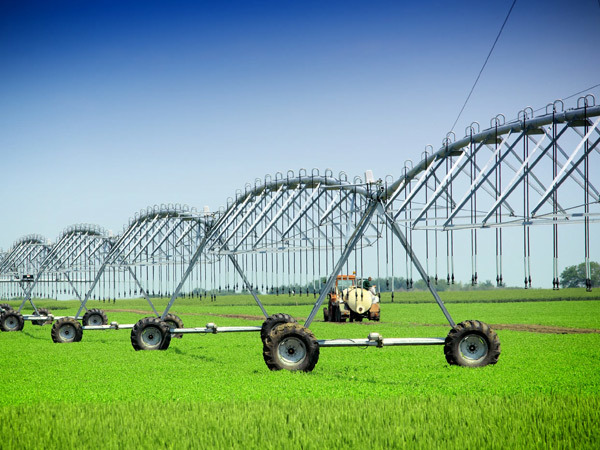
Pointer type sprinkler irrigation systems consist of a series of sprinklers strategically placed to deliver water efficiently to crops. Unlike traditional irrigation methods, which often result in uneven distribution, pointer type systems utilize a combination of technology and design to ensure uniform coverage. This system typically involves a series of movable sprinklers that can rotate and adjust their spray patterns according to the specific needs of the plants.
**Key components** of pointer type sprinkler systems include:
- **Sprinkler heads:** Responsible for distributing water in a controlled manner.
- **Control valves:** Regulate water flow and pressure to ensure optimal performance.
- **Distribution pipes:** Transport water from the source to the sprinkler heads.
- **Automation features:** Modern systems can be equipped with sensors and timers for precision irrigation.
3. Benefits of Pointer Type Sprinkler Irrigation
Implementing a pointer type sprinkler irrigation system in greenhouse farming can yield numerous advantages. Below are the primary benefits that underscore its effectiveness.
3.1 Enhanced Water Efficiency
Water scarcity is a pressing challenge in agriculture. Pointer type sprinkler systems are designed to optimize water usage by ensuring uniform distribution across the growing area. With precise control over water application, farmers can reduce water waste significantly. This efficiency translates not only to lower costs but also to a more sustainable use of resources.
3.2 Improved Crop Yield
One of the most compelling reasons to adopt pointer type sprinkler irrigation is the improvement in crop yield. By delivering the right amount of water directly to the plants' root zones, these systems promote healthier growth and, consequently, larger harvests. Consistent moisture levels lead to enhanced plant development, reduced stress, and increased resistance to pests and diseases.
3.3 Reduced Labor Costs
Automation features in modern pointer type sprinkler systems diminish the need for manual irrigation, leading to labor cost savings. By enabling remote control and scheduling, farmers can allocate their workforce more efficiently. This reduction in labor requirements allows growers to focus on other essential farming activities, boosting overall productivity.
3.4 Flexibility and Customization
Pointer type systems can be tailored to meet the unique needs of various crops and greenhouse conditions. Farmers can adjust the spacing of the sprinklers, the angle of water distribution, and the timing of irrigation cycles. This flexibility ensures optimal conditions for different plant species, enhancing overall farm management.
3.5 Promoting Sustainable Agriculture
In an age where sustainability is paramount, pointer type sprinkler irrigation supports environmentally friendly farming practices. By conserving water and energy, these systems align with the principles of sustainable agriculture. Additionally, reducing runoff minimizes the risk of soil degradation and water pollution, thus protecting surrounding ecosystems.
4. How to Install a Pointer Type Sprinkler Irrigation System
Installing a pointer type sprinkler irrigation system involves several essential steps to ensure its effectiveness. Here’s a detailed guide to help you set up your system:
1. **Assessment of the Greenhouse Layout**: Start by evaluating your greenhouse's dimensions and the specific water needs of your crops. This initial assessment will guide you in planning the placement of your irrigation system.
2. **Selecting the Right Components**: Choose high-quality sprinkler heads, control valves, and distribution pipes suitable for your crop types and greenhouse conditions. Ensure that the components you select are compatible with one another.
3. **Designing the Irrigation System**: Create a layout that considers optimal spacing for the sprinklers. A common approach is to arrange sprinklers in a grid pattern to achieve uniform coverage.
4. **Installation**: Begin by laying out the distribution pipes and connecting them to your water source. Install the control valves in accessible locations and attach the sprinkler heads according to your design.
5. **Testing and Calibration**: After installation, conduct a thorough test of the system. Check for leaks, ensure uniform water distribution, and calibrate the system based on the specific watering needs of your crops.
6. **Automation Setup**: If your system includes sensors and timers, ensure they are correctly configured to automate watering schedules and optimize performance.
5. Maintenance and Best Practices for Pointer Type Sprinkler Systems
To keep your pointer type sprinkler irrigation system functioning optimally, regular maintenance and adherence to best practices are essential. Here are some tips:
- **Routine Inspections**: Regularly check for clogs, leaks, and wear in sprinkler heads and pipes. Early detection of issues can prevent costly repairs.
- **Adjust Sprinkler Patterns**: As plants grow, adjust the sprinkler patterns and heights to ensure proper coverage without over-saturation.
- **Monitor Water Quality**: Periodically test the water quality to avoid any negative impact on plant health due to contaminants.
- **Seasonal Maintenance**: Before and after each growing season, perform thorough checks of the system. Clean sprinklers and pipes, and replace any damaged components.
- **Document Performance**: Keep records of irrigation schedules, water usage, and crop health. This data can help you fine-tune your irrigation practices over time.
6. Frequently Asked Questions
What crops are best suited for pointer type sprinkler irrigation?
Pointer type sprinkler irrigation is suitable for a wide range of crops, including vegetables, fruits, and ornamental plants. Its flexibility allows for efficient watering regardless of crop type.
How does pointer type sprinkler irrigation compare to traditional systems?
Pointer type systems offer better water efficiency, improved crop yield, and reduced labor costs compared to traditional irrigation systems. They provide more precise control over water distribution.
Can I automate my pointer type sprinkler system?
Yes, many modern pointer type sprinkler systems can be equipped with automation features such as timers and sensors for optimal control over watering schedules.
What is the average lifespan of a pointer type sprinkler system?
With proper maintenance, the average lifespan of a pointer type sprinkler irrigation system can range from 10 to 20 years, depending on the quality of components and usage.
How much water can I save by using a pointer type sprinkler system?
Farmers can save up to 30% or more on water usage compared to traditional irrigation methods, depending on the greenhouse size and crop requirements.
7. Conclusion
Pointer type sprinkler irrigation systems represent a significant advancement in greenhouse farming, offering myriad benefits that enhance productivity, conserve resources, and promote sustainable agricultural practices. By optimizing water efficiency, improving crop yields, and reducing labor costs, these systems are invaluable tools for modern farmers. Investing in a pointer type sprinkler irrigation system not only ensures healthy crops but also contributes to a more sustainable future for agriculture. As we embrace innovative technologies, the potential for improved farming practices and higher yields is at our fingertips.
Learn more about industry dynamics


New customers enjoy 10% product discount
PRODUCT CENTER
CONTACT US
Address: 2-1-2301, Phoenix International Plaza, High-tech Zone, Jinan City, Shandong Province
Quality of service to win customer satisfaction


Shandong Yihe Agricultural Technology Co., Ltd. (Shandong Kewo Water-Saving Irrigation Equipment Co., Ltd.)