A high-tech enterprise specializing in large-scale sprinkler irrigation and water and fertilizer integration


The Future of Agriculture: Innovations in Towable Center Pivot Irrigation
Release time:
Dec 22,2025
The Future of Agriculture: Innovations in Towable Center Pivot Irrigation In recent years, the agricultural industry has witnessed monumental transformations in technology and practices. One of the most significant advancements is in irrigation systems, particularly the development of towable center pivot irrigation. This innovative solution not only boosts efficiency but also promotes sustainable
The Future of Agriculture: Innovations in Towable Center Pivot Irrigation
In recent years, the agricultural industry has witnessed monumental transformations in technology and practices. One of the most significant advancements is in irrigation systems, particularly the development of towable center pivot irrigation. This innovative solution not only boosts efficiency but also promotes sustainable farming practices. In this article, we delve deep into the future of agriculture through these cutting-edge technologies, exploring their benefits, key features, and what they mean for the farming community.
Table of Contents
- 1. The Impact of Irrigation on Agriculture
- 2. Understanding Center Pivot Irrigation
- 3. What is Towable Center Pivot Irrigation?
- 4. Advantages of Towable Center Pivot Irrigation
- 5. The Latest Innovations and Technologies
- 6. Sustainability and Water Conservation
- 7. Future Trends in Irrigation Technology
- 8. Frequently Asked Questions
1. The Impact of Irrigation on Agriculture
Irrigation plays a pivotal role in modern agriculture, directly influencing crop yields and farming efficiency. Historically, the success of agricultural practices has relied heavily on natural rainfall, which can be unpredictable. This unpredictability makes irrigation a necessity for farmers aiming to secure consistent crop production. The introduction of advanced irrigation systems has allowed farmers to optimize water usage, ensuring that crops receive the necessary hydration even in dry conditions.
According to research, effective irrigation systems can increase crop yields by up to 50%. This statistic underscores the importance of adopting cutting-edge irrigation technologies, such as towable center pivot systems, to enhance agricultural output. By maintaining soil moisture levels and minimizing water wastage, these systems contribute significantly to sustainable farming practices.
2. Understanding Center Pivot Irrigation
Center pivot irrigation is a method that revolves around a pivot point, allowing water to be distributed evenly across a circular field. This system consists of a series of rotating pipes equipped with sprinklers, which work together to cover vast areas of farmland. The primary advantage of center pivot irrigation is its efficiency; it provides consistent water application while minimizing labor costs.
Farmers can easily manage large plots of land with center pivot systems, ensuring uniform water distribution. The design also reduces the risk of water runoff and soil erosion, making it an environmentally friendly choice for irrigation. However, traditional center pivot systems can be limited by their fixed positioning, leading to the need for innovative solutions such as towable center pivot irrigation.
3. What is Towable Center Pivot Irrigation?
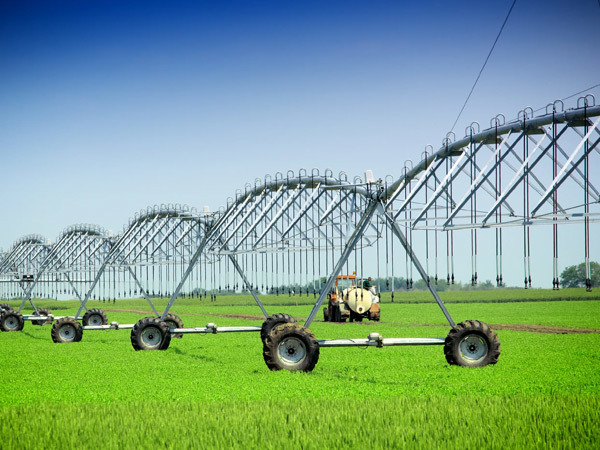
Towable center pivot irrigation is a groundbreaking development in the irrigation sector that incorporates mobility into the traditional center pivot system. This innovation allows farmers to easily move the entire system from one field to another, offering unparalleled flexibility and efficiency. The towable design facilitates the irrigation of varying field shapes and sizes, adapting to the unique needs of diverse agricultural practices.
The towable center pivot typically includes a trailer hitch and axle, enabling the system to be towed by a tractor or other agricultural vehicle. Farmers can quickly relocate the irrigation unit, reducing downtime and increasing productivity during critical growing periods. This versatility allows for optimal water management across multiple fields, ultimately enhancing overall crop health and yield.
4. Advantages of Towable Center Pivot Irrigation
4.1 Enhanced Flexibility
The primary advantage of towable center pivot irrigation is its flexibility. Farmers can move the system to different fields as needed, allowing for more efficient water usage and crop management. This feature is particularly beneficial for regions with varying soil types and crop requirements.
4.2 Improved Water Conservation
Water conservation is a critical concern in agriculture, especially in drought-prone areas. Towable center pivot systems are designed to minimize water loss through evaporation and runoff. By providing targeted irrigation, farmers can optimize water usage, leading to significant savings and reduced environmental impact.
4.3 Cost-Effectiveness
Investing in a towable center pivot irrigation system can lead to long-term savings for farmers. Although the initial purchase cost may be higher than traditional systems, the operational efficiencies and reduced labor costs result in a favorable return on investment. Furthermore, enhanced crop yields contribute to increased revenue, making this technology a financially viable option.
4.4 Better Crop Health
Consistent and precise watering promotes healthier crops. Towable center pivot systems ensure that crops receive the right amount of water at the right time, preventing overwatering or underwatering. This precision reduces stress on plants, enabling them to thrive and produce higher yields.
4.5 Technological Integration
Modern towable systems often incorporate advanced technology, including remote monitoring and automation features. Farmers can track moisture levels, weather conditions, and irrigation schedules in real time, allowing for data-driven decision-making that optimizes agricultural practices.
5. The Latest Innovations and Technologies
The future of towable center pivot irrigation is filled with innovative advancements that enhance efficiency and sustainability. Key technologies shaping the landscape of irrigation include:
5.1 Precision Irrigation
Precision irrigation utilizes real-time data to adjust watering schedules and amounts based on specific crop needs. Sensors placed in the field monitor soil moisture levels, guiding the system to deliver water precisely where and when it is needed. This approach reduces water waste and ensures optimal crop health.
5.2 Remote Monitoring Systems
Remote monitoring technology allows farmers to oversee their irrigation systems from anywhere, using smartphones or computers. This capability enables timely adjustments and alerts for maintenance needs, improving operational efficiency and reducing downtime.
5.3 Automation and Smart Controls
Automated irrigation systems equipped with smart controls streamline the watering process. Farmers can schedule irrigation based on weather forecasts, soil moisture data, and crop growth stages. This automation minimizes labor requirements and ensures consistent performance.
5.4 Energy Efficiency
Many modern towable pivot systems are designed with energy efficiency in mind. Innovations such as variable-speed drives reduce energy consumption, further lowering operational costs and promoting sustainability.
6. Sustainability and Water Conservation
The agricultural sector faces increasing pressure to adopt sustainable practices in response to climate change and water scarcity. Towable center pivot irrigation aligns with these sustainability goals by promoting water conservation and reducing environmental impact. By optimizing water usage and minimizing runoff, farmers can contribute to the preservation of local water resources.
Furthermore, sustainable farming practices enhance soil health, which is essential for long-term agricultural productivity. By integrating towable center pivot systems, farmers can improve the resilience of their operations while contributing to a more sustainable agricultural ecosystem.
7. Future Trends in Irrigation Technology
As technology continues to evolve, the future of irrigation will likely include even more advanced solutions. Some anticipated trends include:
7.1 Increased Adoption of Data-Driven Approaches
Data analytics will play a crucial role in irrigation management, as farmers increasingly rely on data to make informed decisions. The integration of big data, artificial intelligence, and machine learning will enable precise irrigation practices tailored to individual field conditions.
7.2 Growth in Sustainable Technologies
The demand for sustainable farming practices will drive the development of eco-friendly irrigation technologies. Innovations such as solar-powered irrigation systems and rainwater harvesting will become more prevalent, aligning with global sustainability goals.
7.3 Enhanced Collaboration Between Farmers and Technology Providers
Collaboration between farmers and technology developers will lead to more tailored solutions that meet the specific needs of agricultural operations. This partnership will foster innovation and drive advancements in irrigation technology.
8. Frequently Asked Questions
8.1 What is the difference between traditional and towable center pivot irrigation?
Traditional center pivot systems are fixed and cover a circular area, while towable center pivot systems are mobile and can be relocated to different fields, offering greater flexibility and efficiency.
8.2 How much water can a towable center pivot irrigation system save?
The amount of water saved varies by field and crop type, but towable systems can significantly reduce water wastage compared to traditional methods by providing precise and targeted irrigation.
8.3 Are towable center pivot systems easy to operate?
Yes, towable center pivot systems are designed to be user-friendly, with many incorporating automation and smart controls that simplify operation and management.
8.4 Can towable center pivot systems be used for different crops?
Absolutely! Towable center pivot irrigation systems are versatile and can be adjusted to meet the specific needs of various crops, making them suitable for diverse agricultural practices.
8.5 What are the initial costs associated with towable center pivot irrigation systems?
The initial costs can vary based on system size and features, but many farmers find that the long-term benefits, including increased crop yields and reduced labor costs, outweigh the upfront investment.
Conclusion
The future of agriculture is undeniably intertwined with innovations in towable center pivot irrigation. By embracing these advanced irrigation systems, farmers can optimize water usage, enhance crop health, and contribute to sustainable farming practices. The flexibility, efficiency, and technological integration offered by towable systems position them as crucial tools for modern agriculture. As we look ahead, it is clear that the adoption of such technologies will play a significant role in meeting the challenges of food production in an ever-changing climate. By investing in towable center pivot irrigation, farmers not only secure their livelihoods but also pave the way for a more sustainable agricultural future.
Learn more about industry dynamics


New customers enjoy 10% product discount
PRODUCT CENTER
CONTACT US
Address: 2-1-2301, Phoenix International Plaza, High-tech Zone, Jinan City, Shandong Province
Quality of service to win customer satisfaction


Shandong Yihe Agricultural Technology Co., Ltd. (Shandong Kewo Water-Saving Irrigation Equipment Co., Ltd.)