A high-tech enterprise specializing in large-scale sprinkler irrigation and water and fertilizer integration


How to Choose the Right Center Pivot Irrigation System for Your Farm
Release time:
Feb 16,2026
How to Choose the Right Center Pivot Irrigation System for Your Farm Introduction to Center Pivot Irrigation Systems Center pivot irrigation systems have transformed the way agriculturalists manage water resources across vast fields. By ensuring uniform water distribution, these systems help maximize crop yields while minimizing water waste. Understanding how to choose the right center pivot irrig
How to Choose the Right Center Pivot Irrigation System for Your Farm
Introduction to Center Pivot Irrigation Systems
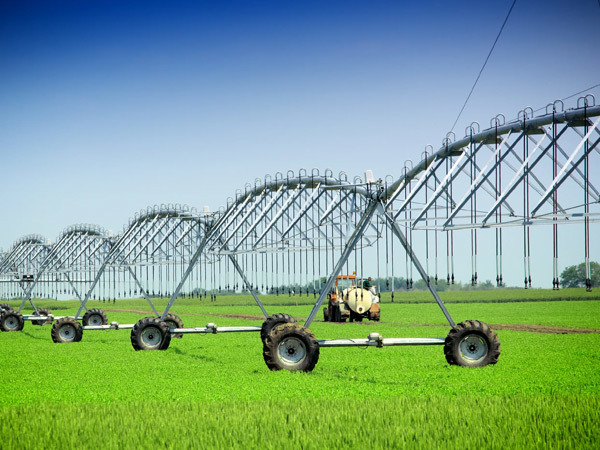
Center pivot irrigation systems have transformed the way agriculturalists manage water resources across vast fields. By ensuring uniform water distribution, these systems help maximize crop yields while minimizing water waste. Understanding how to choose the right center pivot irrigation system for your farm is crucial for improving efficiency and productivity.
The Importance of Efficient Irrigation
Farmers face numerous challenges, including fluctuating weather patterns and increasing water scarcity. Efficient irrigation is vital, not just for crop growth but also for sustainable farming practices. Center pivot systems offer a solution that combines effectiveness with ease of use.
Benefits of Center Pivot Irrigation Systems
1. **Water Conservation**: Center pivot systems utilize less water than traditional methods, reducing overall consumption.
2. **Labor Savings**: Automated systems minimize the need for manual labor in irrigation.
3. **Versatility**: They can be adapted for various crops and terrains, making them suitable for diverse farming operations.
4. **Improved Crop Yields**: With precise water application, crops receive the necessary moisture, enhancing growth and yield potential.
Key Factors to Consider When Choosing a Center Pivot System
Selecting the right center pivot irrigation system involves several critical considerations. Each factor contributes to the overall efficiency and effectiveness of the system you choose.
1. Field Size and Shape
The dimensions and layout of your fields play a significant role in determining the appropriate pivot system. Larger fields may require more robust systems that can cover extensive areas, while irregularly shaped fields may need specialized configurations.
Field Topography
Understanding the topography is essential. Uneven terrain might necessitate adjustable pivot heights or specialized sprinklers to ensure even water distribution.
2. Water Source and Quality
The availability and quality of water are crucial for the performance of your irrigation system. Assess the following:
- **Water Availability**: Ensure your water source can supply the necessary volume for irrigation.
- **Water Quality**: Test for salinity, pH levels, and contaminants. Poor-quality water can lead to clogging and reduced system efficiency.
3. Crop Type and Growth Stages
Different crops have varying water requirements. Understanding the specific needs of the crops you plan to grow will help you determine the most suitable irrigation system. For instance, row crops and high-value crops like fruits may need different watering techniques.
Growth Stages of Crops
Consider the irrigation needs at different growth stages. Young plants often require more frequent watering, whereas mature crops may need less.
4. System Configuration and Features
When assessing center pivot systems, various configurations and features can influence your decision:
- **Length and Span**: Longer pivots provide greater coverage, while shorter ones are better for smaller fields.
- **Drive Mechanisms**: Choose between hydraulic or electric drive systems based on your operational needs and budget.
- **Sprinkler Types**: Select from various sprinkler types to ensure optimal water application for your crops.
5. Automation and Control Systems
Modern center pivot systems offer advanced automation features, enabling remote management and monitoring. Look for systems that support:
- **Automated Scheduling**: Set irrigation schedules based on weather conditions and crop requirements.
- **Remote Monitoring**: Use mobile apps or web interfaces to monitor system performance in real-time.
Cost Considerations and Budgeting
Investing in a center pivot irrigation system is a significant decision. Understanding the associated costs will help you budget effectively.
Initial Costs vs. Long-Term Savings
While the initial investment might seem high, consider the long-term benefits, including reduced labor costs and water savings. Analyze the return on investment (ROI) by evaluating potential yield increases against system costs.
Financing Options
Explore financing solutions or government programs that may assist with your investment, making it easier to adopt modern irrigation practices.
Maintenance and Support
Regular maintenance is critical for ensuring the longevity and efficiency of your center pivot system.
Maintenance Routines
Establish a routine maintenance schedule that includes:
- Inspecting and cleaning sprinklers
- Checking for leaks and damages
- Ensuring proper alignment and calibration
Technical Support and Training
Choosing a supplier that offers robust technical support and training can greatly enhance your experience. Ensure that you have access to resources that help troubleshoot issues and optimize system performance.
Environmental Considerations
Sustainable farming practices are more important than ever. Evaluate how your irrigation choices impact the environment.
Water Management Practices
Implement water-saving techniques, such as scheduling irrigation during cooler hours to reduce evaporation. Look for systems that promote efficient water usage.
Impact on Soil Health
Over-irrigation can lead to soil erosion and nutrient leaching. Ensure your system promotes healthy soil management to support sustainable agriculture.
FAQs About Center Pivot Irrigation Systems
1. What crops are best suited for center pivot irrigation?
Center pivot systems are versatile and can support a variety of crops, including corn, soybeans, and various fruits and vegetables. Choose based on specific water needs.
2. How long do center pivot systems last?
With proper maintenance, center pivot systems can last 20 years or more, providing long-term value.
3. How does automation benefit center pivot systems?
Automation allows for precise scheduling and monitoring, reducing water waste and improving efficiency.
4. Can I retrofit my existing irrigation system to a center pivot?
Yes, many existing systems can be upgraded or retrofitted to accommodate center pivot technology, enhancing your operation's capabilities.
5. What is the average cost of a center pivot irrigation system?
Costs vary widely based on size, features, and installation needs, but prices typically range from $25,000 to $100,000 or more.
Conclusion
Choosing the right center pivot irrigation system for your farm is a multifaceted decision that requires careful consideration of various factors, including field size, water sources, crop types, and budget constraints. By understanding your specific needs and leveraging modern technology, you can select a system that enhances efficiency, maximizes yield, and promotes sustainable practices. Investing in the right center pivot system not only benefits your crop production but also contributes to the long-term health of our planet's water resources.
Learn more about industry dynamics


New customers enjoy 10% product discount
PRODUCT CENTER
CONTACT US
Address: 2-1-2301, Phoenix International Plaza, High-tech Zone, Jinan City, Shandong Province
Quality of service to win customer satisfaction


Shandong Yihe Agricultural Technology Co., Ltd. (Shandong Kewo Water-Saving Irrigation Equipment Co., Ltd.)