A high-tech enterprise specializing in large-scale sprinkler irrigation and water and fertilizer integration


How Towable Center Pivot Irrigation Systems Revolutionize Water Conservation and Resource Efficiency
Release time:
Feb 24,2026
How Towable Center Pivot Irrigation Systems Save Water and Resources Introduction: The Need for Efficient Irrigation Solutions In the face of increasing water scarcity and environmental concerns, farmers are constantly seeking ways to optimize their irrigation practices. **Towable center pivot irrigation systems** have emerged as a game-changer, offering a sustainable solution that conserves water
How Towable Center Pivot Irrigation Systems Save Water and Resources
Introduction: The Need for Efficient Irrigation Solutions
In the face of increasing water scarcity and environmental concerns, farmers are constantly seeking ways to optimize their irrigation practices. **Towable center pivot irrigation systems** have emerged as a game-changer, offering a sustainable solution that conserves water while maximizing crop yields. This article delves into the mechanics of these systems, their benefits, and their impact on resource management.
Understanding Towable Center Pivot Irrigation Systems
What Are Towable Center Pivot Irrigation Systems?
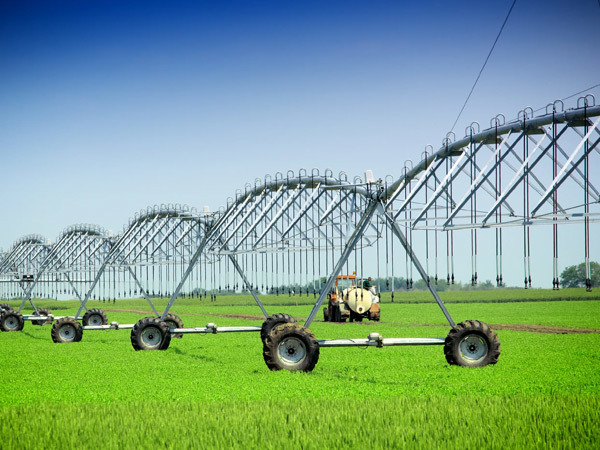
Towable center pivot irrigation systems are advanced agricultural tools designed to deliver water efficiently across large fields. Unlike traditional irrigation methods, which often waste water and resources, these systems utilize a rotating arm that pivots around a central point, watering crops in a circular pattern. Their towable design allows for flexibility and mobility, enabling farmers to reposition the system as needed.
Key Components of a Towable Center Pivot System
A typical towable center pivot irrigation system consists of several essential components:
1. **Pivot Point**: The central hub where the system rotates.
2. **Span Sections**: The long pipes that extend from the pivot point, carrying water to the crops.
3. **Wheels**: These allow the system to move across the field easily.
4. **Sprinkler Heads**: Positioned along the span sections, these emit water at preset rates.
5. **Control Box**: This electronic component manages the irrigation schedule and water distribution.
Understanding these components is crucial for farmers looking to implement or upgrade their irrigation systems.
The Benefits of Towable Center Pivot Irrigation Systems
1. Water Conservation and Efficiency
One of the most significant advantages of towable center pivot irrigation systems is their ability to conserve water. By delivering water directly to the root zones of crops, these systems minimize evaporation and runoff. Research indicates that farmers can save up to **30% more water** compared to traditional irrigation methods, helping to combat the global water crisis.
2. Increased Crop Yields
Efficient water management directly impacts crop productivity. With precise watering, farmers can optimize soil moisture levels, leading to healthier plants and increased yields. Studies show that crops irrigated with towable systems can produce **up to 20% more** than those relying on older irrigation technologies.
3. Reduced Labor Costs
Towable center pivot systems require less manual labor compared to traditional irrigation methods. Automation features allow farmers to set schedules and monitor the system remotely, freeing up time for other essential farming activities. This reduction in labor not only lowers costs but also enhances overall operational efficiency.
4. Flexibility and Mobility
The towable design of these systems provides farmers with unmatched flexibility. They can easily relocate the system to irrigate different areas of the farm as needed. This adaptability is especially beneficial for diverse farming operations that may require different irrigation strategies for various crops.
How to Implement Towable Center Pivot Irrigation Systems
1. Assessing Field Requirements
Before implementing a towable center pivot system, farmers should evaluate their specific field requirements. Factors such as field size, crop type, and soil conditions will influence the system's design and setup. Conducting a thorough assessment ensures that the chosen system meets the unique irrigation needs of the farm.
2. Choosing the Right System
Selecting the appropriate towable center pivot system involves considering various factors, such as:
- **Field Size and Shape**: Different systems cater to varying field dimensions.
- **Water Source**: Availability and type of water source will affect system design.
- **Crop Type**: Different crops may require varying amounts of water.
Consulting with irrigation specialists can help farmers make informed decisions.
3. Installation and Setup
Proper installation is critical to the system's effectiveness. Farmers should follow the manufacturer's guidelines for setup, ensuring that all components are correctly aligned and functioning. Additionally, regular maintenance is essential for optimal performance and longevity of the irrigation system.
Maximizing the Benefits of Towable Center Pivot Irrigation Systems
1. Utilizing Precision Agriculture Techniques
Integrating precision agriculture technologies, such as soil moisture sensors and weather monitoring systems, can enhance the effectiveness of towable center pivot systems. These tools provide real-time data, allowing farmers to make informed irrigation decisions and further optimize water usage.
2. Regular Maintenance and Monitoring
Routine maintenance ensures that the irrigation system functions correctly and efficiently. Farmers should regularly inspect the system for leaks, blockages, and wear. Staying proactive in maintenance helps prevent costly repairs and downtime.
3. Training and Education
To fully leverage the benefits of towable center pivot irrigation systems, farmers should invest in training and education. Familiarizing themselves with the technology, operation, and best practices will empower farmers to maximize the efficiency and productivity of their irrigation methods.
Environmental Impact of Towable Center Pivot Irrigation Systems
1. Promoting Sustainable Farming Practices
By utilizing towable center pivot systems, farmers contribute to sustainable agricultural practices. Efficient water usage reduces the strain on local water resources, helping to preserve ecosystems and biodiversity.
2. Reduction of Soil Erosion
Traditional irrigation methods can lead to soil erosion, particularly in sloped fields. Towable center pivot systems minimize this risk by delivering targeted water to crops, preserving soil structure and health.
3. Lowering Carbon Footprint
Efficient irrigation practices not only save water but also reduce the overall carbon footprint of farming operations. By decreasing water waste and minimizing the need for additional water transport, farmers can contribute to a more sustainable future.
Cost Considerations: Initial Investment vs. Long-Term Savings
1. Understanding the Initial Investment
While the initial setup cost of a towable center pivot irrigation system can be substantial, it is essential to view this as a long-term investment. Factors influencing the cost include system size, technology features, and installation expenses.
2. Calculating Long-Term Savings
Farmers should conduct a cost-benefit analysis to understand the potential savings over time. Factors to consider include reduced water usage, lower labor costs, and increased crop yields. Many farmers find that the savings generated by efficient systems quickly offset the initial investment.
Future Trends in Towable Center Pivot Irrigation Systems
1. Advancements in Smart Technology
The future of towable center pivot irrigation systems lies in smart technology. Innovations such as **IoT (Internet of Things)** integration, AI-driven data analysis, and mobile app controls will enhance the efficiency and accessibility of these systems.
2. Increased Customization Options
As technology evolves, manufacturers are likely to offer more customized solutions tailored to individual farm needs. This trend will allow farmers to further optimize their irrigation practices based on specific environmental and operational conditions.
Frequently Asked Questions (FAQs)
1. How does a towable center pivot irrigation system work?
Towable center pivot irrigation systems work by rotating a long arm around a central pivot point, delivering water to crops in a circular pattern. Sprinkler heads along the arm release water at controlled rates, minimizing waste.
2. What are the advantages of using towable center pivot systems over traditional irrigation methods?
The main advantages include reduced water waste, increased crop yields, lower labor costs, and greater flexibility in irrigation practices.
3. Can towable center pivot systems be used for all types of crops?
Yes, towable center pivot systems can be adapted for various crops, though specific adjustments may be necessary depending on water requirements and field conditions.
4. How do I maintain a towable center pivot irrigation system?
Regular maintenance involves inspecting for leaks, ensuring proper alignment, cleaning sprinkler heads, and monitoring performance to prevent issues.
5. What is the expected lifespan of a towable center pivot irrigation system?
With proper maintenance, a towable center pivot irrigation system can last between 15 to 20 years, making it a worthwhile investment for farmers.
Conclusion: The Future of Irrigation with Towable Center Pivot Systems
Towable center pivot irrigation systems represent a significant advancement in agricultural technology, providing farmers with the tools necessary to conserve water and optimize resources. By understanding their benefits, implementing best practices, and leveraging innovative technologies, farmers can ensure sustainable and productive farming operations. As we move towards a future where water scarcity and environmental concerns become increasingly pressing, embracing these efficient irrigation solutions will be essential for the agriculture industry's survival and growth.
Learn more about industry dynamics


New customers enjoy 10% product discount
PRODUCT CENTER
CONTACT US
Address: 2-1-2301, Phoenix International Plaza, High-tech Zone, Jinan City, Shandong Province
Quality of service to win customer satisfaction


Shandong Yihe Agricultural Technology Co., Ltd. (Shandong Kewo Water-Saving Irrigation Equipment Co., Ltd.)