A high-tech enterprise specializing in large-scale sprinkler irrigation and water and fertilizer integration


The Role of Center Pivot Irrigation in Precision Agriculture: Maximizing Efficiency and Sustainability
Release time:
Feb 28,2026
The Role of Center Pivot Irrigation in Precision Agriculture In the world of modern agriculture, the quest for efficiency and sustainability has never been more critical. As farmers strive to meet the food demands of an ever-growing population while conserving valuable resources, advanced irrigation techniques have emerged as indispensable tools. Among these, center pivot irrigation stands out as
The Role of Center Pivot Irrigation in Precision Agriculture
In the world of modern agriculture, the quest for efficiency and sustainability has never been more critical. As farmers strive to meet the food demands of an ever-growing population while conserving valuable resources, advanced irrigation techniques have emerged as indispensable tools. Among these, center pivot irrigation stands out as a game-changer, combining innovative technology with precision agriculture. This article delves into the essential role of center pivot irrigation in maximizing crop yield, conserving water, and promoting sustainable practices within the agricultural sector.
Table of Contents
- What is Center Pivot Irrigation?
- A Brief History of Center Pivot Irrigation
- How Center Pivot Irrigation Works
- Advantages of Center Pivot Irrigation in Precision Agriculture
- Impact on Water Conservation and Sustainability
- Integrating Center Pivot Irrigation with Precision Agriculture Technologies
- Challenges and Considerations in Center Pivot Irrigation
- The Future of Center Pivot Irrigation in Agriculture
- FAQs about Center Pivot Irrigation
What is Center Pivot Irrigation?
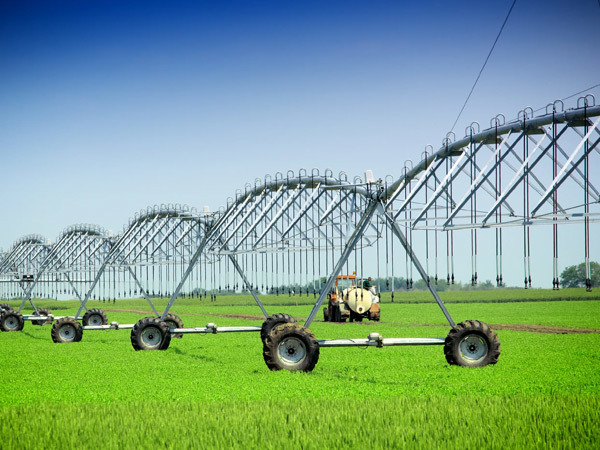
Center pivot irrigation is a method of crop irrigation that involves rotating equipment around a central pivot point. This system consists of a series of attached sprinklers mounted on wheeled towers, which rotate around the pivot, distributing water in a circular pattern. Center pivot systems can cover large areas, making them ideal for extensive crop fields. The precision with which they apply water allows farmers to optimize their irrigation schedules based on the specific needs of their crops.
A Brief History of Center Pivot Irrigation
The concept of center pivot irrigation traces its roots back to the 1940s in the United States. Initially, these systems were relatively primitive, consisting of basic pipe frameworks. Over the decades, advancements in engineering and technology have transformed center pivot irrigation into an efficient and versatile solution. By the 1970s, the introduction of electronic controls and timers revolutionized the way farmers managed their irrigation systems, allowing for greater precision and automation.
How Center Pivot Irrigation Works
Understanding the mechanics behind center pivot irrigation is essential to appreciate its benefits. The system operates through a series of steps:
1. Water Source and Pumping
Water is drawn from a nearby source, such as a well, river, or reservoir. A pumping station is utilized to ensure consistent water pressure throughout the system.
2. Central Pivot Point
The central pivot point is the anchor of the entire system, where the water is supplied to the pipeline that extends outward. This pivot is usually located in the center of the irrigated field.
3. Sprinkler System
The pipeline is equipped with a series of rotating sprinklers mounted on wheeled towers, which distribute water evenly as they move around the pivot point. These sprinklers can vary in size and type, depending on the specific needs of the crops being irrigated.
4. Movement and Automation
As the wheeled towers move, they create a circular irrigated area, with the pivot point remaining stationary. Modern systems often incorporate automation features, allowing farmers to program irrigation schedules based on weather data, soil moisture levels, and crop requirements.
Advantages of Center Pivot Irrigation in Precision Agriculture
Center pivot irrigation offers numerous advantages that align perfectly with the principles of precision agriculture:
1. Efficient Water Usage
One of the standout features of center pivot irrigation is its ability to deliver water directly where it is needed, minimizing waste. This efficiency is crucial in regions facing water scarcity.
2. Improved Crop Yields
With precise water delivery, crops receive the optimal amount of moisture, leading to improved growth and higher yields. Farmers can apply water at critical growth stages, enhancing overall productivity.
3. Reduction of Labor Costs
The automation and mechanization of center pivot systems significantly reduce the need for manual labor. Farmers can monitor and control irrigation from their smartphones or computers, allowing them to manage larger areas with less effort.
4. Soil Health Preservation
Center pivot irrigation minimizes soil erosion and compaction. By preventing over-irrigation, it helps maintain soil structure and health, which is vital for sustainable farming practices.
5. Versatility and Adaptability
These systems can be adapted to various soil types and crop needs, making them suitable for a wide range of agricultural applications. Whether it's corn, soybeans, or specialty crops, center pivot irrigation can be tailored to meet specific demands.
Impact on Water Conservation and Sustainability
Water conservation is a pressing concern in agriculture, especially in arid and semi-arid regions. Center pivot irrigation plays a significant role in promoting sustainable farming practices:
1. Drought Resilience
By using water more efficiently, farmers can withstand periods of drought. This resilience not only protects their crops but also ensures food security in challenging conditions.
2. Reduced Runoff and Contamination
Center pivot systems minimize runoff, reducing the risk of water pollution from fertilizers and pesticides. This environmental benefit is crucial for maintaining local ecosystems and water quality.
3. Encouraging Best Practices
Farmers utilizing center pivot irrigation are often more inclined to adopt other sustainable practices, such as crop rotation and integrated pest management, further enhancing the sustainability of their operations.
Integrating Center Pivot Irrigation with Precision Agriculture Technologies
To maximize the benefits of center pivot irrigation, farmers are increasingly integrating it with advanced precision agriculture technologies:
1. Soil Moisture Sensors
These sensors provide real-time data on soil moisture levels, allowing for targeted irrigation that matches crop needs. This integration reduces water consumption and enhances crop health.
2. Weather Monitoring Systems
By incorporating local weather data, farmers can optimize irrigation schedules, preventing unnecessary watering during rainfall and maximizing water efficiency.
3. Geographic Information Systems (GIS)
GIS technology allows for detailed mapping of fields, enabling farmers to assess variability in soil types and crop health. This information is invaluable for managing irrigation more effectively.
Challenges and Considerations in Center Pivot Irrigation
Despite its many advantages, center pivot irrigation is not without its challenges:
1. Initial Investment Costs
The upfront costs of purchasing and installing a center pivot system can be significant. Farmers must weigh these costs against the long-term benefits and potential savings in water and labor.
2. Maintenance Requirements
Regular maintenance is essential to ensure the system operates efficiently. This includes checking for leaks, adjusting sprinkler heads, and monitoring the pivot's alignment.
3. Land Compatibility
Not all fields are suitable for center pivot irrigation. Farmers must consider field shape, size, and topography when deciding whether this method is appropriate for their land.
The Future of Center Pivot Irrigation in Agriculture
The future of center pivot irrigation looks promising as technology continues to evolve. Innovations such as remote sensing, improved automation, and artificial intelligence will likely enhance the efficiency and effectiveness of these systems. Moreover, as sustainability becomes a priority, center pivot irrigation will play a vital role in helping farmers adapt to changing climate conditions and resource availability.
FAQs about Center Pivot Irrigation
1. What crops are best suited for center pivot irrigation?
Center pivot irrigation is versatile and can be used for various crops, including corn, soybeans, wheat, and even specialty crops like fruits and vegetables.
2. How much water can a center pivot system save?
By optimizing water delivery, center pivot systems can save up to 30% more water compared to traditional irrigation methods.
3. Can center pivot irrigation systems be automated?
Yes, modern center pivot systems can be fully automated, allowing farmers to control irrigation schedules and monitor performance remotely.
4. How long does a typical center pivot irrigation system last?
With proper maintenance, a center pivot irrigation system can last anywhere from 15 to 25 years, making it a long-term investment for farmers.
5. What factors should be considered when installing a center pivot system?
Farmers should consider field size, shape, soil type, water availability, and budget when deciding on the installation of a center pivot irrigation system.
Conclusion
Center pivot irrigation has become an integral component of precision agriculture, offering farmers the tools they need to optimize water use, enhance crop productivity, and promote sustainable practices. By leveraging advanced technology and understanding the intricacies of soil and crop needs, farmers can maximize their yields while conserving precious resources. As the agricultural landscape continues to evolve, embracing innovative irrigation methods like center pivot systems will be essential for ensuring food security and environmental sustainability in the years to come.
Learn more about industry dynamics


New customers enjoy 10% product discount
PRODUCT CENTER
CONTACT US
Address: 2-1-2301, Phoenix International Plaza, High-tech Zone, Jinan City, Shandong Province
Quality of service to win customer satisfaction


Shandong Yihe Agricultural Technology Co., Ltd. (Shandong Kewo Water-Saving Irrigation Equipment Co., Ltd.)