A high-tech enterprise specializing in large-scale sprinkler irrigation and water and fertilizer integration


Integrating Technology with Towable Center Pivot Irrigation Systems: A New Era in Agriculture
Release time:
Mar 20,2026
Integrating Technology with Towable Center Pivot Irrigation Systems: A New Era in Agriculture Table of Contents Introduction What are Towable Center Pivot Irrigation Systems? Benefits of Towable Center Pivot Irrigation Systems The Role of Technology in Irrigation Key Technologies Integrated with Irrigation Systems Improving Efficiency Through Automation Sustainability and Water Cons
Integrating Technology with Towable Center Pivot Irrigation Systems: A New Era in Agriculture
Table of Contents
- Introduction
- What are Towable Center Pivot Irrigation Systems?
- Benefits of Towable Center Pivot Irrigation Systems
- The Role of Technology in Irrigation
- Key Technologies Integrated with Irrigation Systems
- Improving Efficiency Through Automation
- Sustainability and Water Conservation
- Challenges and Solutions in Implementing Technology
- Future Trends in Irrigation Technology
- Conclusion
- FAQs
Introduction
In the ever-evolving agricultural landscape, the integration of technology into farming practices has become essential for enhancing efficiency and productivity. One of the most significant advancements is the **towable center pivot irrigation system**, which has undergone a remarkable transformation through technological enhancements. This article delves deep into how technology is being integrated into these systems and the profound impact it has on modern agriculture.
What are Towable Center Pivot Irrigation Systems?
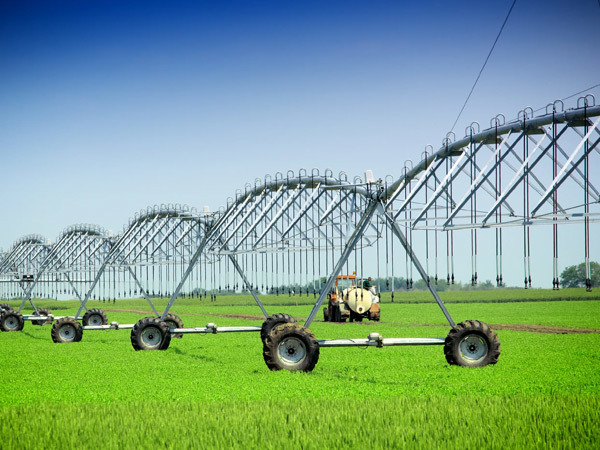
Towable center pivot irrigation systems are mechanized irrigation methods that allow farmers to irrigate large circular areas of crops efficiently. These systems consist of a rotating arm that pivots around a central point and moves laterally across the field, applying water uniformly. The towable aspect refers to the ability to relocate the entire system to different fields as required, providing flexibility and versatility in irrigation practices.
Components of Towable Center Pivot Systems
Towable center pivot systems are composed of several key components:
- **Pivot Point**: The central unit from which the irrigation arm rotates.
- **Mainline**: The water supply line running along the length of the pivot.
- **Sprinkler Heads**: Devices that distribute water over the field.
- **Control System**: The technology used to automate and monitor irrigation schedules.
Benefits of Towable Center Pivot Irrigation Systems
The adoption of towable center pivot irrigation systems offers numerous advantages, including:
1. Water Efficiency
These systems utilize water more efficiently than traditional irrigation methods, minimizing waste and ensuring optimal delivery to crops.
2. Labor Savings
Automated systems significantly reduce the need for manual labor, allowing farmers to allocate resources more effectively.
3. Enhanced Crop Yields
By providing consistent moisture levels, these systems contribute to healthier crops and improved yields.
4. Flexibility
The towable feature provides farmers with the ability to move the system between fields, accommodating varying crop types and irrigation needs.
The Role of Technology in Irrigation
As agriculture continues to embrace technological advancements, the integration of digital solutions into irrigation systems has become pivotal. This technology enhances precision, monitoring, and management of water resources.
Precision Agriculture
Precision agriculture employs data analytics, satellite imagery, and IoT (Internet of Things) devices to optimize irrigation. Farmers can make data-driven decisions based on real-time insights, ensuring that every drop of water counts.
Remote Monitoring
Modern towable center pivot systems often feature remote monitoring capabilities, allowing farmers to oversee irrigation operations from their smartphones or computers. This accessibility enables prompt decision-making, even from afar.
Key Technologies Integrated with Irrigation Systems
Several cutting-edge technologies are being integrated into towable center pivot irrigation systems.
1. GPS Technology
GPS technology allows for accurate positioning of irrigation equipment, ensuring that water is applied precisely where needed, reducing overlap and waste.
2. Soil Moisture Sensors
These sensors monitor soil moisture levels, providing crucial information that helps farmers make informed irrigation decisions, ultimately conserving water.
3. Automation and Control Systems
Automated systems can schedule irrigation cycles based on weather forecasts and soil moisture data, optimizing water usage and reducing labor requirements.
4. Drones for Field Analysis
Drones are increasingly being used to survey fields, providing farmers with aerial views of crop health and irrigation efficiency.
Improving Efficiency Through Automation
Automation is at the forefront of enhancing the efficiency of towable center pivot irrigation systems. By reducing human intervention, these systems can operate continuously, adapting to changing conditions in real-time.
1. Smart Controllers
Smart controllers automatically adjust irrigation schedules based on weather conditions, soil moisture levels, and crop needs. This adaptability ensures that crops receive the right amount of water at the right time, promoting optimal growth.
2. Integration with Weather Forecasting Tools
By integrating with weather forecasting tools, systems can anticipate rainfall and adjust irrigation accordingly. This proactive approach prevents overwatering and conserves valuable water resources.
Sustainability and Water Conservation
In an era where water scarcity is a pressing concern, the sustainability of agricultural practices is paramount. Towable center pivot irrigation systems, enhanced by technology, play a vital role in promoting water conservation.
1. Reducing Water Waste
With precise application methods and real-time monitoring, these systems significantly reduce water waste compared to traditional irrigation methods.
2. Supporting Sustainable Farming Practices
By improving water use efficiency, farmers can cultivate crops more sustainably, reducing the environmental impact of agriculture.
Challenges and Solutions in Implementing Technology
While the integration of technology into irrigation systems presents numerous benefits, it also poses challenges that must be addressed.
1. Initial Investment Costs
The upfront cost of acquiring advanced irrigation technology can be substantial. However, the long-term savings from reduced water usage and increased yields often justify the investment.
2. Training and Education
Farmers may require training to effectively utilize new technologies. Providing educational resources and support can help bridge the knowledge gap.
3. Maintenance and Technical Support
Regular maintenance and access to technical support are crucial for ensuring the continuous operation of advanced systems. Establishing reliable support networks can mitigate downtime and enhance productivity.
Future Trends in Irrigation Technology
The future of towable center pivot irrigation systems looks promising, with several trends shaping the landscape of agricultural technology.
1. Increased Use of AI
Artificial intelligence is set to revolutionize irrigation management by analyzing vast amounts of data to optimize water usage and crop health.
2. Enhanced Integration of IoT Devices
The proliferation of IoT devices will further enhance real-time monitoring and automation, allowing for smarter irrigation solutions that adapt to environmental changes.
3. Development of Sustainable Materials
As sustainability becomes a priority, the development of eco-friendly materials for irrigation systems will likely gain traction, reducing the environmental impact of farming.
Conclusion
The integration of technology with towable center pivot irrigation systems marks a significant advancement in modern agriculture. By enhancing efficiency, promoting sustainability, and increasing crop yields, these systems are transforming the way farmers approach irrigation. As we move forward, embracing technological innovations will be essential for addressing the challenges of water scarcity and ensuring food security for a growing global population.
FAQs
1. What are the main advantages of towable center pivot irrigation systems?
The main advantages include improved water efficiency, reduced labor costs, enhanced crop yields, and flexibility in moving the system between fields.
2. How does technology improve irrigation management?
Technology improves irrigation management through precision agriculture, remote monitoring, and automated systems that optimize water usage based on real-time data.
3. Can towable center pivot systems help conserve water?
Yes, these systems significantly reduce water waste through precise application methods, contributing to better water conservation practices in agriculture.
4. What challenges do farmers face when integrating technology into irrigation systems?
Farmers may face challenges such as high initial investment costs, the need for training and education, and the requirement for regular maintenance and technical support.
5. What is the future of irrigation technology?
The future of irrigation technology is expected to see increased use of AI, enhanced integration of IoT devices, and the development of sustainable materials for irrigation systems.
Learn more about industry dynamics


New customers enjoy 10% product discount
PRODUCT CENTER
CONTACT US
Address: 2-1-2301, Phoenix International Plaza, High-tech Zone, Jinan City, Shandong Province
Quality of service to win customer satisfaction


Shandong Yihe Agricultural Technology Co., Ltd. (Shandong Kewo Water-Saving Irrigation Equipment Co., Ltd.)