A high-tech enterprise specializing in large-scale sprinkler irrigation and water and fertilizer integration


Understanding the Cost-Efficiency of Center Pivot Irrigation: A Comprehensive Guide for Modern Agriculture
Release time:
Mar 26,2026
Understanding the Cost-Efficiency of Center Pivot Irrigation Center pivot irrigation has become a cornerstone of modern agricultural practices, significantly transforming how water is managed and crops are cultivated. This article explores the cost-efficiency of center pivot irrigation, detailing its mechanics, benefits, and the financial implications for farmers. By understanding these factors, a
Understanding the Cost-Efficiency of Center Pivot Irrigation
Center pivot irrigation has become a cornerstone of modern agricultural practices, significantly transforming how water is managed and crops are cultivated. This article explores the cost-efficiency of center pivot irrigation, detailing its mechanics, benefits, and the financial implications for farmers. By understanding these factors, agricultural professionals can make informed decisions that contribute to sustainable and profitable farming practices.
Table of Contents
1. What is Center Pivot Irrigation?
2. How Does Center Pivot Irrigation Work?
3. Advantages of Center Pivot Irrigation
4. Cost Analysis of Center Pivot Irrigation
5. Long-Term Savings with Center Pivot Systems
6. Environmental Impact of Center Pivot Irrigation
7. Case Studies: Successful Implementation of Center Pivot Irrigation
8. Frequently Asked Questions
9. Conclusion
What is Center Pivot Irrigation?
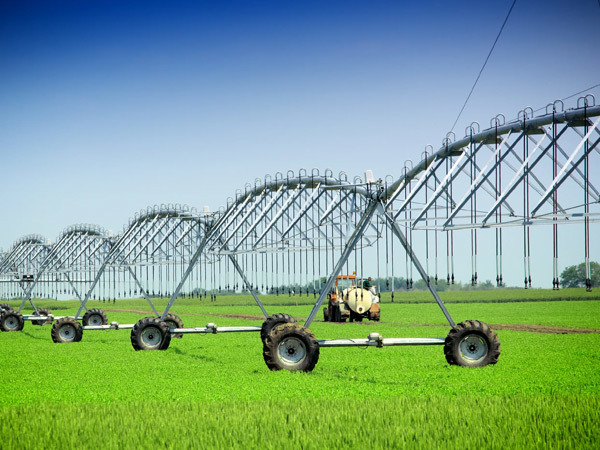
Center pivot irrigation is an automated method of watering crops that utilizes rotating sprinklers mounted on wheeled towers. This system operates around a central pivot point, enabling efficient water distribution over large agricultural fields. Its design allows for precision irrigation, which is crucial in maximizing crop yields while minimizing water use. Center pivot systems can cover extensive areas, making them ideal for large-scale farming operations.
How Does Center Pivot Irrigation Work?
The functionality of center pivot irrigation is innovative. The system consists of a long, rotating pipe that moves in a circular pattern around a central point. Water is pumped from a source, such as a well or reservoir, through the pipe. As the pipe rotates, it distributes water through a series of sprinklers mounted along its length.
The operation of the system is controlled by a central control panel, allowing farmers to adjust the speed of rotation, the amount of water applied, and the timing of irrigation. This control maximizes efficiency, ensuring that water is delivered precisely where needed, thus reducing waste and optimizing crop growth.
Components of a Center Pivot Irrigation System
Understanding the components of a center pivot irrigation system is crucial for appreciating its cost-efficiency:
- **Mainline Pipe**: The central pipe that carries water from the source to the sprinklers.
- **Towers**: Structures that support the mainline pipe and facilitate movement.
- **Sprinklers**: Devices that distribute water over the crop area, adjustable for different needs.
- **Control Panel**: The brain of the system, allowing farmers to manage settings and monitor performance.
Advantages of Center Pivot Irrigation
Center pivot irrigation offers numerous advantages that contribute to its popularity:
- **Efficiency**: The system minimizes water waste through targeted delivery.
- **Labor Savings**: Automated functionality reduces the need for manual labor, allowing farmers to focus on other critical tasks.
- **Flexibility**: Adjustable settings accommodate various crop types and growth stages.
- **Reduced Soil Erosion**: Controlled irrigation minimizes runoff and soil degradation.
- **Improved Crop Yields**: Consistent and adequate watering promotes healthier crop growth.
Cost Analysis of Center Pivot Irrigation
Investing in a center pivot irrigation system involves several costs that farmers must consider:
- **Initial Investment**: The upfront cost of purchasing and installing the system can be substantial, typically ranging from $20,000 to $100,000, depending on the size and features.
- **Operating Costs**: These include energy costs for pumping water, maintenance expenses, and potential repairs. However, these costs are often offset by the savings accrued through efficient water use.
- **Environmental Compliance Costs**: As sustainability becomes a focus, farmers may need to invest in systems that meet environmental regulations, adding to upfront costs.
Calculating Return on Investment (ROI)
To determine the cost-efficiency of center pivot irrigation, it’s essential to calculate the ROI. The formula for ROI is as follows:
ROI = (Net Profit from Investment / Cost of Investment) x 100
By analyzing the net profit generated from increased crop yields and reduced water costs, farmers can assess whether the initial investment in center pivot irrigation is justified.
Long-Term Savings with Center Pivot Systems
While the initial investment for center pivot irrigation may be significant, the long-term savings can be substantial. Key factors contributing to these savings include:
- **Water Conservation**: Efficient water application leads to lower water bills and reduced resource depletion.
- **Reduced Labor Costs**: Automation decreases the need for labor-intensive practices, enabling savings on wages.
- **Increased Crop Productivity**: Healthier crops lead to higher yields, positively impacting overall profitability.
Enhancing Profitability Through Efficient Management
Farmers can further enhance cost-efficiency by employing precision agriculture techniques alongside center pivot systems. Utilizing soil moisture sensors, weather forecasting, and crop health monitoring can optimize irrigation practices, ensuring water is used effectively while maximizing productivity.
Environmental Impact of Center Pivot Irrigation
The environmental impact of center pivot irrigation is a critical consideration for modern agriculture.
- **Water Savings**: Efficient water use through precision application reduces depletion of local water sources.
- **Soil Health**: By minimizing erosion and promoting nutrient retention, center pivot systems contribute to healthier soils.
- **Biodiversity**: Sustainable irrigation practices can help maintain local ecosystems by reducing chemical runoff and preserving wildlife habitats.
Case Studies: Successful Implementation of Center Pivot Irrigation
Examining real-world examples of successful center pivot irrigation implementation can provide valuable insights into its benefits:
- **Case Study 1: Midwest Corn Farm**: A farmer implemented a center pivot system, resulting in a 30% reduction in water usage and a 20% increase in corn yields over three years.
- **Case Study 2: California Almond Orchard**: By switching to center pivot irrigation, a grower reduced labor costs by 40% while maintaining higher almond quality, ultimately leading to increased market prices.
These case studies illustrate the practical benefits of investing in center pivot irrigation systems, showcasing the potential for significant economic and environmental gains.
Frequently Asked Questions
1. What is the lifespan of a center pivot irrigation system?
A center pivot irrigation system typically lasts between 15 to 25 years, depending on maintenance and environmental conditions.
2. How much water can a center pivot system save?
On average, center pivot systems can reduce water usage by 20% to 50% compared to traditional irrigation methods, depending on the crop and soil conditions.
3. Is center pivot irrigation suitable for all types of crops?
Yes, center pivot irrigation is versatile and can be used for a wide range of crops, including corn, soybeans, cotton, and vegetables.
4. What maintenance is required for center pivot systems?
Regular maintenance includes checking for leaks, ensuring sprinkler functionality, and servicing the control panel. Routine inspections help prolong system lifespan.
5. Can center pivot irrigation systems be retrofitted or expanded?
Yes, many center pivot systems can be retrofitted with additional features or expanded to cover larger areas, providing flexibility for growing operations.
Conclusion
Center pivot irrigation stands as a transformative technology in modern agriculture, offering significant cost-efficiency and sustainability benefits. Understanding the mechanics, advantages, and long-term savings associated with this system is crucial for farmers looking to optimize their operations. As agriculture continues to evolve, center pivot irrigation will play an essential role in enhancing productivity while promoting responsible water management practices. By investing in this innovative technology, farmers can secure their future, ensuring the sustainability of their operations for generations to come.
Learn more about industry dynamics


New customers enjoy 10% product discount
PRODUCT CENTER
CONTACT US
Address: 2-1-2301, Phoenix International Plaza, High-tech Zone, Jinan City, Shandong Province
Quality of service to win customer satisfaction


Shandong Yihe Agricultural Technology Co., Ltd. (Shandong Kewo Water-Saving Irrigation Equipment Co., Ltd.)