A high-tech enterprise specializing in large-scale sprinkler irrigation and water and fertilizer integration


Understanding the Mechanics of Electric Center Pivot Irrigation: A Comprehensive Guide
Release time:
Apr 07,2026
Understanding the Mechanics of Electric Center Pivot Irrigation Table of Contents 1. Introduction 2. What is Electric Center Pivot Irrigation? 3. How Electric Center Pivot Irrigation Works 4. Components of Electric Center Pivot Irrigation Systems 5. Benefits of Using Electric Center Pivot Irrigation 6. Common Challenges and Solutions in Electric Center Pivot Irrigation
Understanding the Mechanics of Electric Center Pivot Irrigation
Table of Contents
- 1. Introduction
- 2. What is Electric Center Pivot Irrigation?
- 3. How Electric Center Pivot Irrigation Works
- 4. Components of Electric Center Pivot Irrigation Systems
- 5. Benefits of Using Electric Center Pivot Irrigation
- 6. Common Challenges and Solutions in Electric Center Pivot Irrigation
- 7. Maintenance Tips for Electric Center Pivot Irrigation Systems
- 8. The Future of Electric Center Pivot Irrigation
- 9. Frequently Asked Questions
- 10. Conclusion
1. Introduction
The ever-evolving field of agriculture demands innovative solutions for efficient water management. Electric Center Pivot Irrigation systems have emerged as a preferred choice for farmers seeking to optimize their water usage while maximizing crop yields. This guide aims to provide an in-depth understanding of these systems, their components, and their benefits, ensuring that agricultural professionals can make well-informed decisions regarding their irrigation practices.
2. What is Electric Center Pivot Irrigation?
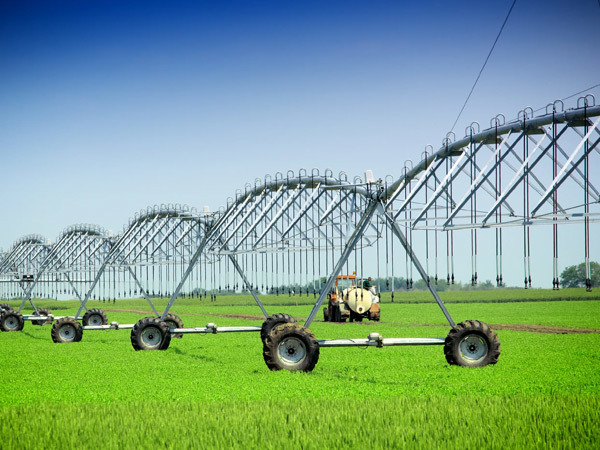
Electric Center Pivot Irrigation is a method of applying water to crops through a rotating system of pipes and sprinkler heads. This technology allows for the efficient distribution of water across large fields, typically in a circular pattern. The **electric drive motors** control the movement of the pivot system, ensuring even water application and reducing water wastage.
2.1 Key Characteristics
Electric Center Pivot systems are characterized by:
- **Automation**: These systems can be programmed to operate at specific times and durations, enhancing efficiency.
- **Flexibility**: They can be adjusted to accommodate various crop types and field layouts.
- **Scalability**: Suitable for both small farms and large agricultural enterprises.
3. How Electric Center Pivot Irrigation Works
The operation of Electric Center Pivot Irrigation systems is both straightforward and sophisticated. The system comprises a central pivot point with a series of connected spans that move outward.
3.1 The Mechanism
The mechanism involves hydraulic and electric components working in tandem:
- **Water Supply**: Water is supplied through a mainline pipe from a well, pond, or reservoir.
- **Sprinkler Heads**: As the pivot rotates, sprinkler heads release water uniformly over the crop area.
- **Drive System**: The electric motors drive the pivot, allowing for precise control over speed and direction.
3.2 Control Systems
Modern Electric Center Pivot systems are equipped with advanced control systems that allow for remote operation and monitoring. This technology enables farmers to adjust settings based on real-time weather data and soil moisture levels, ensuring optimal irrigation.
4. Components of Electric Center Pivot Irrigation Systems
Understanding the various components of Electric Center Pivot Irrigation systems is crucial for effective operation and maintenance. The main components include:
4.1 Pivot Point and Tower
The **pivot point** is the central hub from which the system rotates. The **tower** supports the pipe and sprinkler assembly, providing stability and allowing for smooth movement.
4.2 Spans
Spans are the lengths of pipe that connect the towers. These pipes carry water from the pivot point to the sprinkler heads.
4.3 Sprinkler Heads
Sprinkler heads are designed to distribute water evenly over the field. Their type and configuration can vary based on crop requirements and field conditions.
4.4 Control Panel
The control panel manages the system's operation, allowing users to set timers, adjust speeds, and monitor water application rates.
5. Benefits of Using Electric Center Pivot Irrigation
Electric Center Pivot Irrigation systems offer numerous advantages for modern agricultural practices, including:
5.1 Water Efficiency
These systems significantly reduce water waste by providing targeted irrigation, ensuring that crops receive the necessary moisture without over-saturation.
5.2 Labor Savings
Automation reduces the need for manual labor, allowing farmers to focus on other critical tasks while the system operates.
5.3 Improved Crop Yields
With precise water application, crops can achieve optimal growth conditions, translating to increased yields and better quality produce.
5.4 Flexibility and Adaptability
Electric Center Pivot systems can be easily adjusted for different crops and soil types, making them ideal for diverse farming operations.
6. Common Challenges and Solutions in Electric Center Pivot Irrigation
Despite their benefits, Electric Center Pivot Irrigation systems may face challenges. Understanding these can help farmers implement effective solutions.
6.1 Mechanical Failures
Breakdowns can occur due to wear and tear. Regular maintenance checks and prompt repairs can mitigate this issue.
6.2 Uneven Water Distribution
If the system is not calibrated properly, water may not be distributed evenly. Conducting system tests can help ensure even coverage.
6.3 High Energy Costs
Electricity costs can accumulate, especially in large operations. Exploring renewable energy options, such as solar panels, can help reduce expenses.
7. Maintenance Tips for Electric Center Pivot Irrigation Systems
To keep Electric Center Pivot Irrigation systems running smoothly, consistent maintenance is essential. Here are some tips:
7.1 Regular Inspections
Conduct routine inspections to identify any wear or mechanical issues. Look for leaks, damaged sprinkler heads, and electrical problems.
7.2 Cleaning Sprinkler Heads
Clogged sprinkler heads can lead to uneven water distribution. Clean them regularly to maintain optimal performance.
7.3 Lubrication
Ensure that moving parts are properly lubricated to prevent friction and wear, extending the system's lifespan.
7.4 Calibration
Periodically calibrate the system to ensure proper water application rates and coverage.
8. The Future of Electric Center Pivot Irrigation
The future of Electric Center Pivot Irrigation looks promising, driven by advancements in technology. Innovations such as **smart irrigation**, **drones for monitoring**, and **data analytics** are set to transform how irrigation is managed.
8.1 Integration with IoT
The Internet of Things (IoT) will enable real-time data collection and analysis, allowing farmers to make more informed irrigation decisions.
8.2 Enhanced Automation
Future systems will likely feature even greater automation, reducing the need for human intervention and allowing for precise, data-driven irrigation.
9. Frequently Asked Questions
9.1 What is the average lifespan of an Electric Center Pivot Irrigation system?
The average lifespan can vary from 15 to 25 years, depending on maintenance and usage.
9.2 How much water can an Electric Center Pivot system save?
These systems can save up to 30% more water compared to traditional irrigation methods.
9.3 Can Electric Center Pivot Irrigation be used for all types of crops?
Yes, they can be adjusted for various crops, making them suitable for a wide range of agricultural applications.
9.4 What are the initial costs associated with Electric Center Pivot Irrigation?
Costs can vary significantly based on field size and system complexity, typically ranging from $25,000 to $100,000.
9.5 Is it possible to retrofit an existing irrigation system to an Electric Center Pivot?
Yes, existing systems can often be upgraded or retrofitted to incorporate Electric Center Pivot technology.
10. Conclusion
Electric Center Pivot Irrigation systems represent a significant advancement in agricultural technology, offering farmers improved efficiency, flexibility, and crop yields. By understanding the mechanics behind these systems, their components, and maintenance requirements, agricultural professionals can harness their full potential. As the industry continues to evolve, staying informed about new technologies and practices will be essential for optimizing irrigation and ensuring sustainable farming practices.
Learn more about industry dynamics


New customers enjoy 10% product discount
PRODUCT CENTER
CONTACT US
Address: 2-1-2301, Phoenix International Plaza, High-tech Zone, Jinan City, Shandong Province
Quality of service to win customer satisfaction


Shandong Yihe Agricultural Technology Co., Ltd. (Shandong Kewo Water-Saving Irrigation Equipment Co., Ltd.)