A high-tech enterprise specializing in large-scale sprinkler irrigation and water and fertilizer integration


How Weather Patterns Impact the Efficiency of Solar Center Pivot Irrigation Systems
Release time:
Apr 13,2026
How Weather Patterns Impact the Efficiency of Solar Center Pivot Irrigation Systems The efficiency of solar center pivot irrigation systems is significantly influenced by various weather patterns. Farmers and agricultural managers need to understand these relationships to improve water conservation, enhance crop yields, and promote sustainable farming practices. In this article, we will explore ho
How Weather Patterns Impact the Efficiency of Solar Center Pivot Irrigation Systems
The efficiency of solar center pivot irrigation systems is significantly influenced by various weather patterns. Farmers and agricultural managers need to understand these relationships to improve water conservation, enhance crop yields, and promote sustainable farming practices. In this article, we will explore how different weather elements, such as temperature, humidity, wind speed, and precipitation, affect the efficiency of solar-powered irrigation systems.
Understanding Solar Center Pivot Irrigation Systems
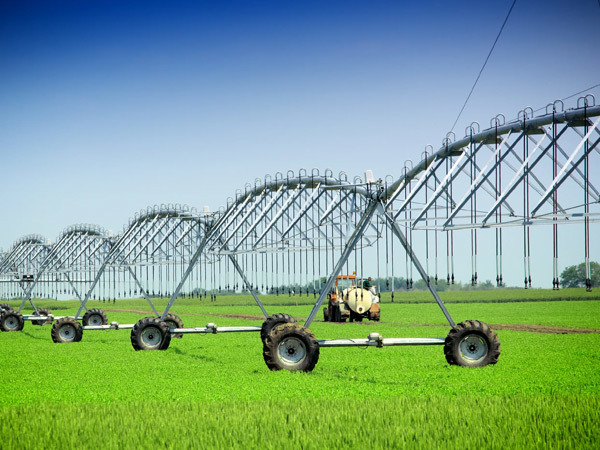
Solar center pivot irrigation systems use solar energy to power the movement of pivot arms that distribute water evenly across agricultural fields. This method is recognized for its efficiency in water application and is particularly advantageous in areas with limited access to electricity. By harnessing renewable energy, solar pivot systems reduce operational costs and contribute to sustainable farming practices.
Key Components of Solar Center Pivot Irrigation Systems
A complete solar center pivot irrigation system includes several essential components:
- Solar Panels: Convert sunlight into electricity, powering the pump and pivot drive.
- Water Pump: Draws water from a source, such as a well or reservoir, and transports it through the irrigation system.
- Pivot Arms: Rotating segments that distribute water over the field while moving in a circular pattern.
- Control System: Manages the operation of the irrigation system based on pre-set schedules or sensor data.
The Influence of Weather Patterns on Irrigation Efficiency
Weather conditions can significantly impact how effectively a solar center pivot irrigation system operates. Understanding these influences allows farmers to better manage their water resources and enhance crop productivity.
Temperature Effects on Irrigation Performance
Temperature is a crucial factor that affects both the evaporation rates and the soil moisture levels essential for crop growth.
High Temperatures and Evaporation Rates
During periods of high temperatures, the rate of evaporation from both the soil and the water being applied increases. This can lead to a situation where the amount of water being absorbed by crops is less than expected, causing inefficient irrigation. To compensate, farmers may need to adjust the timing and frequency of irrigation, ensuring that water is applied during cooler parts of the day, such as early morning or late evening.
Low Temperatures and Soil Conditions
Conversely, in cooler temperatures, the soil retains moisture longer, which can reduce the need for frequent irrigation. However, if temperatures drop too low, some crops may become less active in their nutrient uptake, altering their water requirements. This necessitates careful monitoring and adjustment of irrigation strategies based on daily temperature fluctuations.
Humidity Levels and Their Impact on Irrigation
Humidity levels directly influence how much moisture the air can hold and the rate of evaporation from the soil surface. Understanding humidity patterns helps optimize irrigation scheduling.
High Humidity and Reduced Evaporation
In conditions of high humidity, evaporation rates decrease, meaning that more of the applied water stays in the soil for crop uptake. This scenario allows for longer intervals between irrigation events, which can save both water and energy resources. However, it is essential to monitor soil moisture levels closely, as overly saturated soil can lead to root diseases and other crop issues.
Low Humidity and Increased Water Needs
Low humidity promotes higher evaporation rates, leading to increased water loss from both the soil and the crop surfaces. Farmers must remain vigilant during these periods, as crops will require more frequent irrigation to maintain optimal growing conditions. Utilizing soil moisture sensors can aid in determining the right irrigation schedule.
Wind Speed and Its Role in Irrigation Effectiveness
Wind speed can have a significant impact on the efficiency of water application by solar center pivot systems.
Effects of High Wind Speeds on Water Distribution
High wind speeds can lead to uneven distribution of water, causing some areas of the field to receive more water while others may remain dry. This uneven application can result in wasted resources and inconsistent crop growth.
Strategies to Mitigate Wind Impact
To minimize the effects of wind on irrigation efficiency, farmers can implement several strategies:
- Adjusting Nozzle Size: Smaller nozzles can reduce water droplet size and minimize drift caused by wind.
- Timing Irrigation: Scheduling irrigation during calm periods can enhance water application uniformity.
- Using Windbreaks: Planting trees or installing barriers can reduce wind exposure and improve irrigation effectiveness.
Precipitation Patterns and Irrigation Scheduling
Rainfall is a natural factor affecting irrigation efficacy. Understanding precipitation patterns enables better planning and resource management.
Using Rainfall Data to Optimize Irrigation
Farmers should keep detailed records of local rainfall patterns to optimize their irrigation schedules. Taking advantage of natural precipitation can lead to significant water savings and improve soil moisture levels.
Adjusting Irrigation After Rain Events
After significant rainfall, it may be unnecessary to irrigate immediately. Farmers can use soil moisture monitoring techniques to determine whether irrigation is needed, allowing for more efficient water use.
Integrating Weather Data into Irrigation Management Systems
Modern technology allows farmers to integrate weather data into their irrigation management systems, enhancing decision-making processes.
Utilizing Smart Irrigation Technology
Smart irrigation systems utilize real-time weather data, soil moisture levels, and crop water needs to optimize irrigation schedules automatically. Key features often include:
- Weather Forecast Integration: Systems that adapt irrigation schedules based on predicted weather conditions.
- Soil Moisture Sensors: Devices that measure moisture levels in the soil, ensuring irrigation occurs only when necessary.
- Remote Monitoring: Allowing farmers to control and monitor their irrigation systems from anywhere, improving responsiveness to changing weather conditions.
Conclusion
Understanding how weather patterns affect solar center pivot irrigation efficiency is vital for optimizing water use and ensuring sustainable agricultural practices. By paying attention to temperature, humidity, wind speed, and rainfall, farmers can make informed decisions that enhance the effectiveness of their irrigation systems. Integrating modern technology and weather data into irrigation management can further improve efficiency, ultimately leading to higher crop yields and more sustainable farming operations.
Frequently Asked Questions
1. How does temperature affect solar center pivot irrigation systems?
Temperature influences evaporation rates and soil moisture levels, requiring adjustments in irrigation schedules to maintain efficiency.
2. What role does humidity play in irrigation efficiency?
Humidity levels affect evaporation rates; high humidity can reduce evaporation, while low humidity increases water needs.
3. Can wind speed impact the distribution of water in pivot irrigation systems?
Yes, high wind speeds can lead to uneven water distribution, making it necessary to adjust irrigation techniques or timing to mitigate this effect.
4. How can rainfall data be used to optimize irrigation scheduling?
Keeping detailed records of rainfall patterns allows farmers to adjust their irrigation schedules, ensuring water is applied only when necessary.
5. What are smart irrigation systems?
Smart irrigation systems use real-time weather data, soil moisture levels, and crop water needs to automate and optimize irrigation scheduling.
Learn more about industry dynamics


New customers enjoy 10% product discount
PRODUCT CENTER
CONTACT US
Address: 2-1-2301, Phoenix International Plaza, High-tech Zone, Jinan City, Shandong Province
Quality of service to win customer satisfaction


Shandong Yihe Agricultural Technology Co., Ltd. (Shandong Kewo Water-Saving Irrigation Equipment Co., Ltd.)