A high-tech enterprise specializing in large-scale sprinkler irrigation and water and fertilizer integration


Common Mistakes to Avoid with Center Pivot Irrigation Systems: A Comprehensive Guide
Release time:
Apr 19,2026
Common Mistakes to Avoid with Center Pivot Irrigation Systems Center pivot irrigation systems have revolutionized the agricultural landscape, providing an efficient and effective way to ensure crops receive the water they need for optimal growth. However, even with this advanced technology, many farmers and agricultural managers encounter issues that can hinder productivity. Understanding the comm
Common Mistakes to Avoid with Center Pivot Irrigation Systems
Center pivot irrigation systems have revolutionized the agricultural landscape, providing an efficient and effective way to ensure crops receive the water they need for optimal growth. However, even with this advanced technology, many farmers and agricultural managers encounter issues that can hinder productivity. Understanding the common mistakes associated with center pivot irrigation systems can help you make the most of your investment, saving both time and resources.
Understanding Center Pivot Irrigation Systems
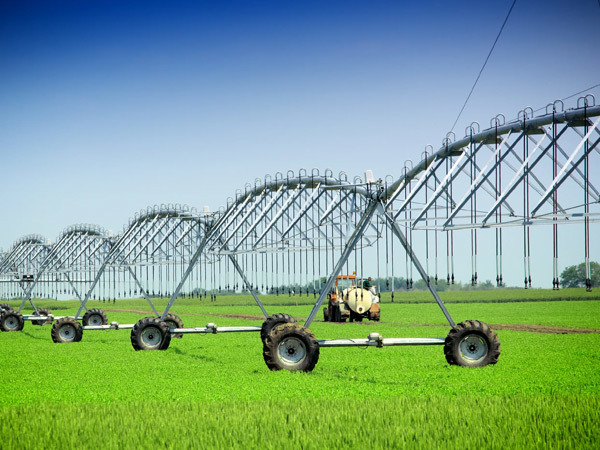
Before we delve into the mistakes to avoid, it's crucial to understand what center pivot irrigation systems are and how they function. These systems consist of a series of rotating arms, with the pivot point located at the center of a circular field. They move in a circular pattern, delivering water efficiently to the crops below. This method significantly reduces water wastage compared to traditional irrigation methods and offers the ability to cover large areas quickly.
The Importance of Proper Setup
One of the critical factors influencing the efficiency of center pivot irrigation systems is the initial setup. Many farmers underestimate the impact that an improper setup can have on irrigation performance. Here, we'll discuss several common mistakes related to setup that can lead to long-term inefficiencies.
1. Incorrect Pivot Design or Configuration
Choosing the wrong design or configuration for your center pivot system can lead to uneven water distribution. Ensure that you consider factors such as field topography, soil type, and crop requirements when selecting your pivot system. An ideal configuration will maximize coverage and minimize water runoff.
2. Poor Alignment with Field Features
Aligning the center pivot with the field's natural features is essential. Failing to do so can result in water pooling in certain areas or insufficient moisture in others. Invest time in planning the layout to accommodate slopes, drainage patterns, and existing obstacles, such as trees or buildings.
3. Neglecting Soil Characteristics
Understanding your soil type and its moisture retention capabilities is crucial for effective irrigation. Conduct thorough soil tests to identify the soil's texture, structure, and moisture-holding capacity. This information will guide you in applying the right amount of water while avoiding over-irrigation.
Water Management Mistakes
Water management is a critical component of using a center pivot irrigation system effectively. Mismanaging water can lead to wasted resources, crop stress, and increased operational costs. Below are common water management mistakes to avoid.
4. Over-Irrigation
Over-irrigation not only wastes water but can also lead to root rot and other plant diseases. It's essential to monitor soil moisture levels regularly and adjust your irrigation schedule accordingly. Utilize soil moisture sensors or tensiometers to get real-time data on soil conditions.
5. Under-Irrigation
On the opposite end of the spectrum, under-irrigation can stress crops, leading to stunted growth or reduced yields. Farmers often underestimate the water requirements of their crops, especially during critical growth stages. Understanding the specific needs of each crop type will help you schedule irrigation appropriately.
6. Ignoring Weather Patterns
Weather can significantly impact irrigation needs. Failing to consider rainfall and temperature fluctuations can lead to inefficient irrigation practices. Implement a weather monitoring system or use local forecasts to adjust irrigation schedules proactively, ensuring that crops receive the right amount of water.
Maintenance and Operational Oversights
Regular maintenance and operational diligence are essential for the longevity and efficiency of center pivot irrigation systems. Neglecting these areas can lead to costly repairs and reduced performance. Here are some common maintenance mistakes to avoid.
7. Lack of Regular Inspections
Routine inspections of your pivot system can uncover potential issues before they escalate. Check for leaks, clogs, and wear and tear on components such as nozzles and drive systems. Implement a preventive maintenance schedule to ensure that your system runs smoothly throughout the growing season.
8. Failure to Calibrate Sprinkler Heads
Properly calibrating your sprinkler heads is crucial for achieving uniform water distribution. Neglecting this step can lead to uneven watering, with some areas receiving too much water and others receiving too little. Regularly check and adjust the sprinkler heads to maintain optimal performance.
Technological Integration and Mistakes
In today’s digital age, integrating technology into agricultural practices is essential. However, failing to utilize available technology effectively can hinder productivity. Here are some technological mistakes to avoid.
9. Underutilizing Precision Agriculture Tools
Precision agriculture tools, such as GPS and remote sensing, can significantly enhance the efficiency of center pivot irrigation systems. Many farmers do not leverage these technologies fully, missing out on opportunities for improved water management and crop monitoring. Invest in training and resources to understand how to utilize these tools effectively.
10. Ignoring Data Analysis
Data analysis is key to optimizing irrigation practices. Collecting data without analyzing it leads to missed opportunities for improvement. Regularly review performance metrics such as water usage, crop yields, and soil moisture levels to make informed adjustments to your irrigation strategy.
Environmental Considerations
As agricultural practices evolve, so does the importance of environmental stewardship. Mistakes in this area can lead to detrimental effects on local ecosystems and regulatory challenges.
11. Neglecting Environmental Regulations
Familiarize yourself with local water usage regulations and environmental laws. Non-compliance can result in fines and damage to your reputation. Ensure all irrigation practices align with sustainable practices, aiming to minimize water loss and protect surrounding ecosystems.
12. Contributing to Soil Erosion
Improper irrigation practices can lead to soil erosion, impacting both your farm’s productivity and the surrounding environment. Implement practices such as contour farming and cover cropping to minimize soil erosion while maintaining effective irrigation.
Best Practices for Efficient Center Pivot Irrigation
To avoid the common mistakes discussed above, consider implementing these best practices for effective center pivot irrigation.
1. Educate Yourself and Your Team
Continuous education on irrigation management, soil science, and technology is vital. Attend workshops, webinars, and training sessions to keep yourself and your team informed about the latest advancements in irrigation practices.
2. Invest in Quality Equipment
Choosing high-quality equipment designed for your specific needs can significantly enhance your irrigation system's performance. Invest in durable materials and reliable components to ensure long-term efficiency.
3. Develop a Comprehensive Irrigation Plan
Creating a detailed irrigation plan that considers all variables—such as crop type, soil moisture, and weather patterns—will help optimize your irrigation system. Regularly update this plan based on real-time data and evolving conditions.
4. Collaborate with Experts
Partnering with agronomists and irrigation specialists can provide invaluable insights and recommendations tailored to your unique situation. Utilize their expertise to fine-tune your irrigation practices and troubleshoot any challenges you may face.
Frequently Asked Questions (FAQs)
1. What is a center pivot irrigation system, and how does it work?
A center pivot irrigation system is a mechanized method of watering crops that moves in a circular pattern, delivering water evenly to the crops as it rotates. It consists of a series of connected pipes and sprinkler heads that distribute water efficiently over large areas.
2. How can I prevent over-irrigation with my center pivot system?
To prevent over-irrigation, regularly monitor soil moisture levels and adjust your irrigation schedule based on crop requirements and recent rainfall. Utilizing soil moisture sensors can provide real-time data to ensure proper irrigation.
3. What maintenance tasks should I perform on my center pivot system?
Regular maintenance tasks include inspecting for leaks and clogs, calibrating sprinkler heads, cleaning filters, and checking the mechanical components for wear and tear. Implementing a preventive maintenance schedule can help identify issues early.
4. Why is proper alignment of the pivot system important?
Proper alignment ensures even water distribution across the field, preventing water pooling and ensuring that all crops receive adequate moisture. Neglecting alignment can lead to under or over-irrigation in specific areas.
5. How often should I check the performance of my center pivot irrigation system?
Regular performance checks should be conducted throughout the growing season, especially during critical crop growth stages. Additionally, periodic assessments before the start of the season can help prevent issues during peak irrigation periods.
Conclusion
In conclusion, avoiding common mistakes associated with center pivot irrigation systems is essential for optimizing water management and improving crop yields. By understanding the key aspects of setup, water management, maintenance, technology integration, and environmental considerations, we can enhance our irrigation practices significantly. Implementing best practices and continuous education will not only lead to more efficient operations but also contribute to sustainable agricultural practices. By being proactive and informed, we can make the most of our center pivot systems and ensure a successful farming future.
Learn more about industry dynamics


New customers enjoy 10% product discount
PRODUCT CENTER
CONTACT US
Address: 2-1-2301, Phoenix International Plaza, High-tech Zone, Jinan City, Shandong Province
Quality of service to win customer satisfaction


Shandong Yihe Agricultural Technology Co., Ltd. (Shandong Kewo Water-Saving Irrigation Equipment Co., Ltd.)