A high-tech enterprise specializing in large-scale sprinkler irrigation and water and fertilizer integration


Electric Center Pivot Irrigation: Revolutionizing Water Management in Agriculture
Release time:
May 01,2026
Electric Center Pivot Irrigation: Revolutionizing Water Management in Agriculture Table of Contents 1. Introduction to Electric Center Pivot Irrigation 2. Benefits of Electric Center Pivot Irrigation Systems 3. How Electric Center Pivot Irrigation Works 4. Advanced Technology in Electric Center Pivot Systems 5. The Impact of Electric Center Pivot Irrigation on Agriculture
Electric Center Pivot Irrigation: Revolutionizing Water Management in Agriculture
Table of Contents
- 1. Introduction to Electric Center Pivot Irrigation
- 2. Benefits of Electric Center Pivot Irrigation Systems
- 3. How Electric Center Pivot Irrigation Works
- 4. Advanced Technology in Electric Center Pivot Systems
- 5. The Impact of Electric Center Pivot Irrigation on Agriculture
- 6. Promoting Sustainable Practices through Efficient Water Management
- 7. Maintenance and Best Practices for Electric Center Pivot Irrigation
- 8. The Future of Electric Center Pivot Irrigation Systems
- 9. Frequently Asked Questions
- 10. Conclusion
1. Introduction to Electric Center Pivot Irrigation
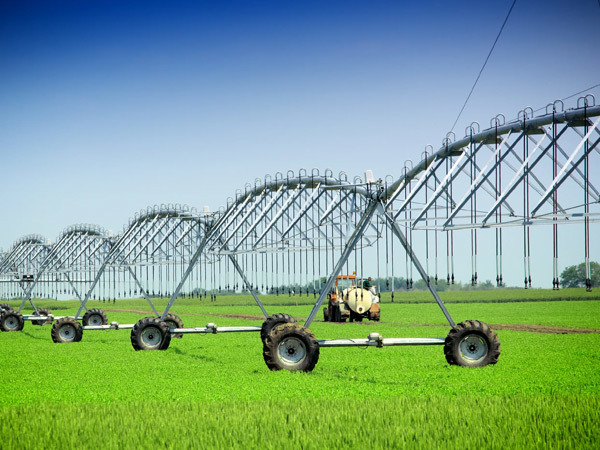
Electric Center Pivot Irrigation systems represent a significant advancement in agricultural practices, particularly in water management. These systems utilize a rotating sprinkler mechanism mounted on wheeled towers that move in a circular pattern around a central pivot point. This innovative approach enables farmers to efficiently distribute water over large areas, ensuring crops receive the optimal amount of moisture.
The demand for sustainable farming solutions has never been greater, and electric center pivots are at the forefront of this movement. They not only enhance productivity but also contribute to responsible water usage, which is crucial as global water resources become increasingly scarce.
2. Benefits of Electric Center Pivot Irrigation Systems
Electric Center Pivot Irrigation systems offer numerous advantages that elevate them above traditional irrigation methods. Here are some key benefits:
2.1 Increased Efficiency
These systems deliver water precisely where it's needed, reducing waste and ensuring that every drop counts. The automation involved allows for precise control over water application rates, which maximizes crop yield while minimizing resource use.
2.2 Time-Saving Automation
Farmers can set schedules for irrigation, allowing them to focus on other essential tasks. The automation of the system means that water is distributed evenly without requiring constant monitoring.
2.3 Reduced Labor Costs
With fewer labor requirements, farmers can allocate resources more effectively. The systems can cover vast areas with minimal human intervention, making them a cost-effective solution for large-scale agriculture.
2.4 Environmental Benefits
By using water more efficiently, electric center pivots help reduce runoff and soil erosion, contributing to better environmental health. This efficiency plays a vital role in promoting sustainable agriculture.
3. How Electric Center Pivot Irrigation Works
Understanding the operational mechanics of electric center pivot irrigation systems reveals why they are so effective. Here’s a detailed breakdown:
3.1 The Pivot Point
At the heart of the system is a pivot point, which serves as the anchor for the entire irrigation setup. This point connects to a power source that drives the entire mechanism.
3.2 Sprinkler Heads
Sprinkler heads are strategically placed along the length of the rotating arms. These heads can be adjusted for different nozzle sizes, allowing for varied water distribution based on crop requirements.
3.3 Movement and Coverage
As the system rotates around the pivot point, it covers a circular area. The speed of rotation can be adjusted based on crop needs, ensuring that water reaches every part of the irrigated area without over-saturating any section.
3.4 Control Systems
Modern electric center pivot systems come equipped with advanced control systems that allow farmers to manage irrigation schedules, monitor soil moisture levels, and adjust water application rates from a central interface, often even remotely.
4. Advanced Technology in Electric Center Pivot Systems
The integration of technology into electric center pivot irrigation has revolutionized the agricultural landscape. Here’s how:
4.1 Smart Sensors
Many systems now incorporate smart sensors that monitor soil moisture and weather conditions. This real-time data allows farmers to make informed decisions about irrigation timing and amount.
4.2 Remote Management
Advancements in IoT (Internet of Things) technology enable farmers to control their irrigation systems from smartphones or computers, adding a layer of convenience and efficiency.
4.3 GPS Technology
GPS-enabled systems provide precise positioning, ensuring that water is applied accurately across the field, thus enhancing uniformity in crop growth.
5. The Impact of Electric Center Pivot Irrigation on Agriculture
The introduction of electric center pivot irrigation systems has made a profound impact on agriculture:
5.1 Enhanced Crop Yields
By providing optimal watering conditions, these systems have led to significant increases in crop yields, particularly in water-scarce regions.
5.2 Water Conservation
The efficient use of water resources has been a game-changer for farmers, especially in areas facing water shortages. Electric center pivot systems help ensure that water is used wisely, promoting conservation efforts.
5.3 Economic Viability
Farmers using these advanced irrigation systems often experience an increase in profitability due to higher yields, reduced labor costs, and lower water usage.
6. Promoting Sustainable Practices through Efficient Water Management
Sustainability is at the core of modern agriculture, and electric center pivot irrigation systems are essential in promoting these practices:
6.1 Reduced Environmental Footprint
The precise application of water minimizes runoff and soil degradation. This contributes to healthier ecosystems and preserves natural resources for future generations.
6.2 Supporting Soil Health
By preventing waterlogging and ensuring balanced moisture levels, electric center pivot systems support healthier soil biology, which is crucial for sustainable farming.
7. Maintenance and Best Practices for Electric Center Pivot Irrigation
Proper maintenance is vital to ensuring the longevity and efficiency of electric center pivot irrigation systems:
7.1 Regular Inspections
Conducting regular inspections of the pivot points, sprinkler heads, and electrical components can help identify potential issues before they escalate.
7.2 Cleaning the System
Debris can clog sprinkler heads and disrupt water distribution. Regular cleaning is essential to maintain optimal performance.
7.3 Seasonal Adjustments
Adjusting the settings based on seasonal changes is crucial. This includes modifying the rotation speed and water application rates based on crop growth stages.
8. The Future of Electric Center Pivot Irrigation Systems
The future of electric center pivot irrigation looks promising as technology continues to evolve:
8.1 Integration with AI
Artificial intelligence has the potential to revolutionize how irrigation systems operate. AI can analyze data from various sources to optimize irrigation schedules automatically.
8.2 Sustainable Innovations
Ongoing research into sustainable farming practices will likely yield innovations in electric center pivot technology, further enhancing efficiency and reducing environmental impact.
8.3 Expansion into New Markets
As more farmers recognize the benefits of electric center pivot irrigation, its adoption is expected to expand beyond traditional markets, leading to broader agricultural advancements.
9. Frequently Asked Questions
9.1 What is electric center pivot irrigation?
Electric center pivot irrigation is a system where a rotating sprinkler mechanism moves around a central pivot point, efficiently distributing water to crops.
9.2 How does electric center pivot irrigation save water?
These systems apply water directly to crops in a controlled manner, reducing waste and runoff compared to traditional irrigation methods.
9.3 What are the maintenance requirements for electric center pivots?
Regular inspections, cleaning of components, and seasonal adjustments are essential for maintaining efficiency and performance.
9.4 Can electric center pivot irrigation be automated?
Yes, many modern systems feature automation capabilities that allow for remote control and scheduling based on real-time data.
9.5 What crops are best suited for electric center pivot irrigation?
Electric center pivot irrigation is versatile and can effectively irrigate a wide range of crops, including corn, soybeans, and alfalfa.
10. Conclusion
Electric center pivot irrigation systems are not just a technological advancement; they are a transformative force in modern agriculture. By enhancing efficiency, promoting sustainability, and increasing crop yields, these systems play a crucial role in addressing the challenges of water management in farming. As technology continues to advance, the impact of electric center pivot irrigation will undoubtedly expand, paving the way for a more sustainable and productive agricultural future. Embracing these innovations is essential for farmers looking to thrive in a competitive and resource-constrained environment.
Learn more about industry dynamics


New customers enjoy 10% product discount
PRODUCT CENTER
CONTACT US
Address: 2-1-2301, Phoenix International Plaza, High-tech Zone, Jinan City, Shandong Province
Quality of service to win customer satisfaction


Shandong Yihe Agricultural Technology Co., Ltd. (Shandong Kewo Water-Saving Irrigation Equipment Co., Ltd.)