A high-tech enterprise specializing in large-scale sprinkler irrigation and water and fertilizer integration


The Future of Farming: Embracing Center Pivot Irrigation Solutions for Sustainable Agriculture
Release time:
May 13,2026
The Future of Farming: Embracing Center Pivot Irrigation Solutions for Sustainable Agriculture Table of Contents 1. Introduction to Center Pivot Irrigation 2. The Importance of Efficient Water Management in Agriculture 3. How Center Pivot Irrigation Works 4. Advantages of Center Pivot Irrigation Systems 4.1 Enhanced Water Efficiency 4.2 Increased Crop Yields 4.3 Labor Savings 4.4
The Future of Farming: Embracing Center Pivot Irrigation Solutions for Sustainable Agriculture
Table of Contents
1. Introduction to Center Pivot Irrigation
2. The Importance of Efficient Water Management in Agriculture
3. How Center Pivot Irrigation Works
4. Advantages of Center Pivot Irrigation Systems
4.1 Enhanced Water Efficiency
4.2 Increased Crop Yields
4.3 Labor Savings
4.4 Versatility and Flexibility
5. Technological Innovations in Center Pivot Irrigation
5.1 Smart Irrigation Technologies
5.2 Automation and Remote Monitoring
6. Challenges and Considerations in Implementing Center Pivot Irrigation
7. The Future of Farming with Center Pivot Irrigation
8. FAQs About Center Pivot Irrigation
9. Conclusion
1. Introduction to Center Pivot Irrigation
Center pivot irrigation is a game-changing technology in the agriculture industry that has transformed how farmers manage water resources. This innovative system, characterized by its circular patterns and rotating arms, is designed to irrigate large agricultural fields efficiently. As water scarcity becomes a pressing global issue, center pivot irrigation offers a sustainable solution to meet the needs of modern farming.
2. The Importance of Efficient Water Management in Agriculture
Water is a critical resource in agriculture, often accounting for 70% of global freshwater withdrawals. With the growing population and changing climate patterns, the demand for efficient water management practices has never been higher. Center pivot irrigation systems help farmers optimize water use, reducing waste while ensuring crops receive adequate moisture. This approach not only supports crop health but also contributes to environmental sustainability by minimizing water runoff and soil erosion.
3. How Center Pivot Irrigation Works
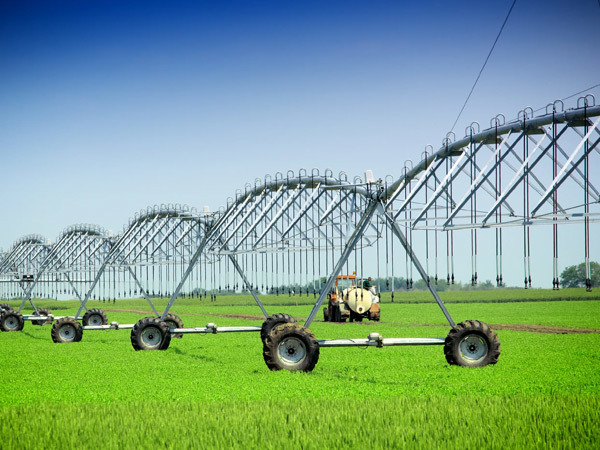
Center pivot irrigation systems consist of a series of connected pipes, supported by wheeled towers, that rotate around a central pivot point. As the system moves, water is evenly distributed across the field through nozzles located along the length of the pipes. The design allows for uniform irrigation, ensuring that every part of the field receives the required amount of water. Additionally, many modern systems feature adjustable speed settings and the ability to control water application rates, further enhancing efficiency.
4. Advantages of Center Pivot Irrigation Systems
Implementing center pivot irrigation systems offers numerous advantages for farmers. Here are some key benefits:
4.1 Enhanced Water Efficiency
Center pivot systems are highly efficient in water usage, often reducing water consumption by up to 30% compared to traditional methods. This efficiency is achieved through precise application rates and reduced evaporation losses.
4.2 Increased Crop Yields
By providing consistent irrigation, center pivot systems help to maximize crop yields. Studies have shown that fields irrigated with these systems can produce significantly higher yields, particularly in regions with variable rainfall.
4.3 Labor Savings
Automated center pivot systems require less manual labor than traditional irrigation methods, allowing farmers to reallocate their workforce to other essential tasks. This reduction in labor costs can lead to increased profitability.
4.4 Versatility and Flexibility
Center pivot irrigation systems can be adapted to various terrains and crop types. They are suitable for both row crops and permanent crops, making them a versatile choice for diverse agricultural operations.
5. Technological Innovations in Center Pivot Irrigation
As technology continues to advance, so do the capabilities of center pivot irrigation systems. Here are some of the latest innovations enhancing their efficiency and effectiveness:
5.1 Smart Irrigation Technologies
Smart irrigation technologies incorporate sensors and data analytics to optimize water application. These systems allow farmers to monitor soil moisture levels and weather conditions, ensuring water is applied only when necessary.
5.2 Automation and Remote Monitoring
Modern center pivot systems can be automated and controlled remotely through smartphones or computers. This advanced level of control enables real-time adjustments and monitoring, providing farmers with greater flexibility and efficiency.
6. Challenges and Considerations in Implementing Center Pivot Irrigation
While center pivot irrigation offers numerous benefits, there are also challenges to consider. The initial investment cost can be significant, and farmers must assess their specific needs and conditions before implementation. Additionally, proper maintenance and management are essential to ensure the longevity and effectiveness of the system.
7. The Future of Farming with Center Pivot Irrigation
As the agricultural landscape continues to evolve, center pivot irrigation systems will play a crucial role in promoting sustainable farming practices. With the integration of advanced technologies, farmers can expect even greater efficiencies in water usage, leading to improved crop production and reduced environmental impact. The future of farming lies in embracing these innovative solutions to address the challenges posed by climate change and resource scarcity.
8. FAQs About Center Pivot Irrigation
What is the average lifespan of a center pivot irrigation system?
The average lifespan of a center pivot system is typically between 15 to 20 years, depending on maintenance and environmental conditions.
How much water can a center pivot system save compared to traditional methods?
Center pivot irrigation can save up to 30% more water compared to traditional flood or furrow irrigation methods.
Can center pivot systems be used on uneven terrain?
Yes, center pivot systems are designed to adapt to various topographies, making them suitable for uneven terrain.
What types of crops are best suited for center pivot irrigation?
Center pivot irrigation is versatile and can be used for a variety of crops, including corn, soybeans, alfalfa, and many vegetable crops.
Are there any government incentives for adopting center pivot irrigation?
Many regions offer grants or subsidies for farmers transitioning to more efficient irrigation practices, including center pivot systems. It is advisable to check with local agricultural agencies for specific programs.
9. Conclusion
Center pivot irrigation systems represent a significant advancement in agricultural technology, providing farmers with the tools needed to optimize water usage and enhance crop production. As the global demand for food continues to rise, these systems will play a pivotal role in ensuring sustainable farming practices. By embracing center pivot irrigation, farmers can contribute to a more efficient and environmentally friendly agricultural future.
Learn more about industry dynamics


New customers enjoy 10% product discount
PRODUCT CENTER
CONTACT US
Address: 2-1-2301, Phoenix International Plaza, High-tech Zone, Jinan City, Shandong Province
Quality of service to win customer satisfaction


Shandong Yihe Agricultural Technology Co., Ltd. (Shandong Kewo Water-Saving Irrigation Equipment Co., Ltd.)