A high-tech enterprise specializing in large-scale sprinkler irrigation and water and fertilizer integration


Troubleshooting Common Issues in Towable Center Pivot Irrigation Systems: A Comprehensive Guide
Release time:
May 19,2026
Troubleshooting Common Issues in Towable Center Pivot Irrigation Systems As agricultural practices evolve with technology, towable center pivot irrigation systems have become indispensable for efficient water management. However, like any mechanical system, they can encounter issues that may disrupt operations. This comprehensive guide explores the most common problems you may face with towable ce
Troubleshooting Common Issues in Towable Center Pivot Irrigation Systems
As agricultural practices evolve with technology, towable center pivot irrigation systems have become indispensable for efficient water management. However, like any mechanical system, they can encounter issues that may disrupt operations. This comprehensive guide explores the most common problems you may face with towable center pivot irrigation systems and provides detailed troubleshooting steps to resolve them effectively.
Understanding Towable Center Pivot Irrigation Systems
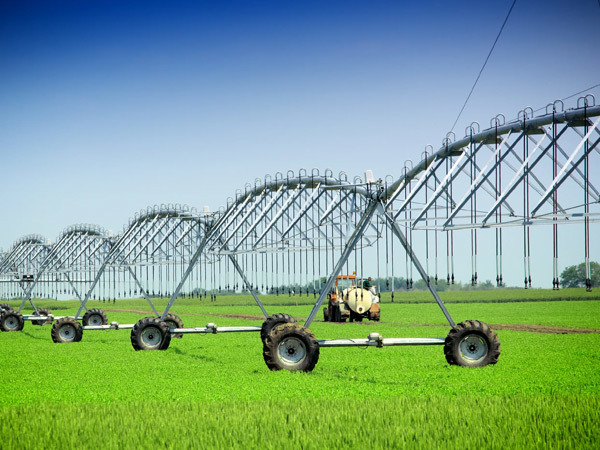
Towable center pivot irrigation systems are designed to irrigate crops efficiently across large areas. They consist of a series of connected sections that rotate around a pivot point, distributing water evenly. Understanding how these systems work is crucial for diagnosing problems effectively.
Key Components of Towable Center Pivot Systems
1. **Pivot Point**: The central axis around which the irrigation system rotates.
2. **Span Sections**: Individual segments of the irrigation system that carry water and rotate around the pivot.
3. **Drive Mechanism**: This includes motors and gear systems that enable movement.
4. **Control Panel**: The interface for monitoring and adjusting irrigation settings.
5. **Water Distribution System**: The pipes and sprinklers that deliver water to the crops.
Common Issues and Troubleshooting Steps
Despite their efficiency, several common issues can arise with towable center pivot irrigation systems. Below, we outline these challenges along with their potential solutions.
1. Uneven Water Distribution
**Symptoms**: Some areas of the field receive too much water while others are under-irrigated.
**Troubleshooting Steps**:
- **Check Sprinkler Settings**: Ensure that all sprinklers are set to the correct height and pressure.
- **Inspect for Clogs**: Examine the nozzles for blockages. Clean or replace any clogged parts.
- **Evaluate Terrain**: Assess the field's slope and drainage. Adjust the pivot's path if necessary to ensure even water coverage.
2. System Not Moving or Stalling
**Symptoms**: The pivot system fails to rotate or moves erratically.
**Troubleshooting Steps**:
- **Inspect the Drive Mechanism**: Check for any damaged gears or motors. Repair or replace as needed.
- **Review Power Supply**: Ensure that the system has a reliable power source. Check electrical connections for any signs of wear or corrosion.
- **Examine Water Pressure**: Insufficient water pressure can cause the system to stall. Verify that pressure is within the recommended range.
3. Leaks in the System
**Symptoms**: Visible water pooling or dripping along the pivot line.
**Troubleshooting Steps**:
- **Identify Leak Location**: Trace the irrigation line to locate any leaks.
- **Repair Damaged Components**: Use appropriate sealants or replace damaged hoses and fittings.
- **Pressure Test**: After repairs, conduct a pressure test to ensure no further leaks are present.
4. Electrical Issues with Control Panel
**Symptoms**: Control panel is unresponsive or displays error codes.
**Troubleshooting Steps**:
- **Check Fuses and Circuit Breakers**: Replace any blown fuses or reset tripped circuit breakers.
- **Inspect Wiring**: Look for frayed or damaged wires leading to the control panel. Repair any issues found.
- **Reprogram Control Settings**: If the control panel is functional but not operating as expected, re-enter the irrigation schedule.
5. Damage from Weather Elements
**Symptoms**: Visible wear and tear from wind, hail, or snow.
**Troubleshooting Steps**:
- **Routine Inspections**: Conduct regular inspections to identify damage early.
- **Protective Measures**: Utilize tarps or covers during extreme weather conditions to shield components.
- **Replace Damaged Parts**: Ensure that any damaged components are replaced promptly to maintain system integrity.
Preventive Maintenance Tips for Towable Center Pivot Systems
Proactive maintenance can significantly reduce the likelihood of encountering issues with your irrigation system. Here are key maintenance practices to consider:
1. Regular Inspections
Conduct thorough inspections at least once a month during the growing season. Pay close attention to all moving parts, electrical components, and water distribution systems.
2. Cleaning and Maintenance
Remove debris that may accumulate around the pivot point or along the span sections. Regularly clean nozzles to prevent clogs and ensure efficient water flow.
3. Lubrication of Moving Parts
Use appropriate lubricants on moving parts, such as gears and hinges, to minimize friction and wear. Follow manufacturer guidelines for lubrication intervals.
4. Seasonal Preparation
Before the irrigation season begins, conduct a comprehensive system test. After harvest, winterize the system to protect it from frost and freezing temperatures.
Choosing the Right Towable Center Pivot Irrigation System
When selecting a towable center pivot irrigation system, consider the following factors:
1. Field Size and Shape
Choose a system that can efficiently cover your specific field dimensions. Ensure that it can navigate any obstacles present in the field.
2. Water Source and Pressure
Evaluate your water supply options. The system must be compatible with the available water pressure to function optimally.
3. Crop Requirements
Different crops have varying water needs. Ensure the system can be adjusted to meet your crop-specific irrigation requirements.
FAQs
1. How often should I inspect my towable center pivot irrigation system?
It is advisable to conduct inspections at least once a month during the growing season and after severe weather events.
2. What can cause uneven water distribution in my irrigation system?
Uneven water distribution can result from clogged nozzles, incorrect sprinkler settings, or terrain variations.
3. How do I reset my irrigation system's control panel?
Consult the user manual for your specific system. Generally, you can reset the panel by disconnecting the power for a few minutes and then reconnecting it.
4. What should I do if I find a leak in my irrigation system?
Identify the source of the leak, then repair or replace any damaged hoses or fittings. After repairs, perform a pressure test to ensure no leaks remain.
5. How can I protect my irrigation system from harsh weather conditions?
Using tarps or covers during extreme weather, conducting regular maintenance, and winterizing the system before frost can help protect it from the elements.
Conclusion
Troubleshooting common issues in towable center pivot irrigation systems is essential for maintaining operational efficiency and ensuring the successful cultivation of crops. By familiarizing yourself with potential problems and following the outlined troubleshooting steps, you can minimize downtime and enhance productivity. Regular maintenance practices, careful selection of the right system, and proactive measures will enable you to maximize your irrigation investment and contribute to sustainable agricultural practices. Take control of your irrigation operations today, and enjoy the benefits of a well-functioning towable center pivot irrigation system.
Learn more about industry dynamics

New customers enjoy 10% product discount
PRODUCT CENTER
CONTACT US
Address: 2-1-2301, Phoenix International Plaza, High-tech Zone, Jinan City, Shandong Province
Quality of service to win customer satisfaction


Shandong Yihe Agricultural Technology Co., Ltd. (Shandong Kewo Water-Saving Irrigation Equipment Co., Ltd.)