A high-tech enterprise specializing in large-scale sprinkler irrigation and water and fertilizer integration


Choosing the Right Electric Center Pivot Irrigation System for Your Crops
Release time:
May 25,2026
Choosing the Right Electric Center Pivot Irrigation System for Your Crops Introduction to Electric Center Pivot Irrigation Systems In today’s agricultural landscape, efficient water management plays a pivotal role in ensuring optimal crop yield. Electric center pivot irrigation systems stand out as one of the most effective solutions for farmers looking to enhance their irrigation capabilities. Th
Choosing the Right Electric Center Pivot Irrigation System for Your Crops
Introduction to Electric Center Pivot Irrigation Systems
In today’s agricultural landscape, efficient water management plays a pivotal role in ensuring optimal crop yield. Electric center pivot irrigation systems stand out as one of the most effective solutions for farmers looking to enhance their irrigation capabilities. These systems not only optimize water usage but also streamline the irrigation process, making it easier to manage large fields. **Understanding the intricacies of these systems is crucial** for any farmer who wants to invest wisely and maximize their return on investment.
Understanding Electric Center Pivot Irrigation Systems
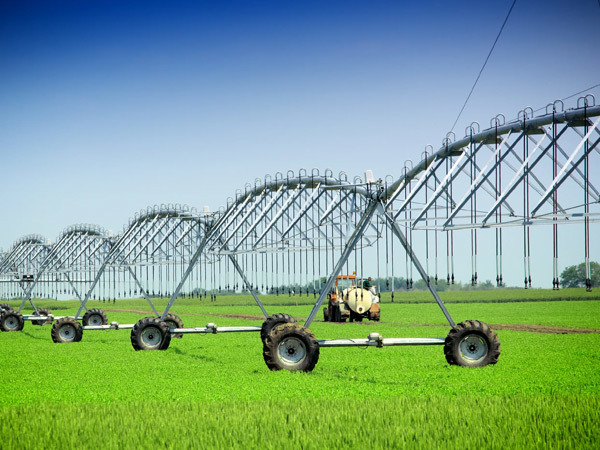
Electric center pivot irrigation systems consist of a rotating arm attached to a central pivot point. As the arm rotates, it delivers water to the crops in a circular pattern, ensuring even coverage across the field. This method of irrigation is particularly beneficial for larger farms, as it can efficiently cover vast areas with minimal labor input.
The Components of Electric Center Pivot Systems
To grasp the functionality of electric center pivot irrigation, we must first explore its core components:
1. Pivot Point
The pivot point is the central hub from which the entire system rotates. It houses the motor and controls, making it the heart of the operation.
2. Span Sections
These are the long, tubular components that make up the arms of the pivot system. They can vary in length and are responsible for distributing water evenly across the field.
3. Sprinkler Heads
Sprinkler heads are attached to the span sections and release water in various patterns, ensuring that crops receive the necessary hydration.
4. Control Panel
The control panel allows farmers to manage and monitor the irrigation system, adjusting settings based on crop needs and weather conditions.
Why Choose Electric Over Other Irrigation Systems?
Electric center pivot systems offer several advantages over traditional irrigation methods:
- **Efficiency**: Electric systems provide precise water application, reducing waste and ensuring that crops receive the exact amount of moisture they need.
- **Automation**: Many electric systems come with automated controls, which allow farmers to schedule irrigation times and monitor system performance remotely.
- **Labor Saving**: With less manual intervention required, farmers can allocate their labor resources more effectively.
- **Versatility**: Electric systems can be customized to fit various crop types and field layouts, making them suitable for diverse agricultural practices.
Factors to Consider When Choosing an Electric Center Pivot System
Selecting the right electric center pivot irrigation system involves careful consideration of several factors to ensure compatibility with your specific agricultural needs.
1. Field Size and Shape
The dimensions and layout of your fields play a crucial role in determining the type of pivot system you should invest in. Larger fields with irregular shapes may require specialized systems that can adapt to varied terrains.
2. Crop Type
Different crops have varied water needs. Understanding the specific irrigation requirements for your crops will assist in the selection process. For instance, **high-water-demand crops** like corn may require more frequent and deeper watering compared to drought-resistant varieties.
3. Soil Type
Soil characteristics influence how water is absorbed and retained. Sandy soils drain quickly and may need more frequent irrigation, while clay soils retain moisture longer. Evaluating your soil type will help you determine the ideal watering schedule and system configuration.
4. Water Source and Quality
The availability and quality of water play a significant role in designing your irrigation system. Assessing the source—whether it’s a well, river, or reservoir—will inform decisions regarding filtration and pump requirements.
5. Budget and Cost Efficiency
Investment costs can vary widely based on the system's size, complexity, and features. Weighing the initial investment against potential long-term savings in water and labor will help you make an informed decision.
The Installation Process of Electric Center Pivot Systems
Once you’ve selected the right system, proper installation is essential for optimal performance.
1. Site Preparation
Before installation, prepare the site by ensuring that the field is level and free of obstructions. This step is crucial for ensuring even water distribution.
2. Assembling the System
Follow the manufacturer’s instructions to assemble the pivot system. This often involves connecting the span sections to the pivot point and attaching the sprinkler heads.
3. Electrical Connections
Making electrical connections is vital for the system's operation. Ensure that all wiring follows safety standards and is protected from environmental factors.
4. Testing the System
After installation, conduct thorough testing to ensure that the system operates correctly. Check for leaks, adjust sprinkler patterns, and verify that the control panel functions as intended.
Maximizing Efficiency with Electric Center Pivot Irrigation
To derive the most benefit from your electric center pivot irrigation system, consider implementing the following strategies:
1. Schedule Irrigation Wisely
Utilize weather forecasts and soil moisture data to plan irrigation schedules. This approach ensures that you avoid over-watering while meeting your crops’ needs.
2. Maintenance and Upkeep
Regular maintenance is key to prolonging the lifespan of your irrigation system. Inspect the system for wear and tear, clean filters, and ensure that sprinkler heads are free from obstructions.
3. Incorporate Technology
Leveraging technology, such as soil moisture sensors and weather stations, can enhance your irrigation strategy. These tools provide real-time data that can optimize water application and conserve resources.
Potential Challenges and How to Overcome Them
While electric center pivot systems offer numerous advantages, there are challenges that farmers may encounter.
1. Initial Cost Investment
The upfront cost of electric center pivot systems can be significant. To mitigate this, consider financing options or government grants that support sustainable agricultural practices.
2. Dependency on Electricity
Electric systems require a reliable power source. In areas prone to outages, a backup generator may be necessary to ensure uninterrupted operation.
3. Technical Knowledge
Operating and troubleshooting an electric system may require a learning curve. Investing in training for yourself and your staff will ensure you maximize the system’s potential.
FAQs About Electric Center Pivot Irrigation Systems
1. How much water does an electric center pivot irrigation system use?
The water usage varies depending on the crop type, soil moisture, and system efficiency. On average, a properly managed pivot system can irrigate approximately 1-2 inches of water per week for most crops.
2. Can I retrofit my existing irrigation system with an electric center pivot?
Yes, retrofitting is possible, but it depends on your current system's compatibility. Consulting with a professional will provide guidance on feasible upgrades.
3. What maintenance is required for electric center pivot systems?
Regular maintenance includes checking for leaks, cleaning filters, inspecting electrical connections, and ensuring that all moving parts are functioning correctly.
4. Are electric center pivot systems environmentally friendly?
Yes, these systems promote water conservation and reduce runoff, making them an environmentally sustainable choice for modern agriculture.
5. How do I troubleshoot common issues with electric center pivot systems?
Common issues include uneven water distribution or system failure. Start by checking the electrical connections, ensuring the control panel settings are correct, and inspecting sprinkler heads for blockages.
Conclusion
Choosing the right electric center pivot irrigation system is crucial for optimizing crop yields and ensuring sustainable agricultural practices. By considering factors such as field size, crop type, and water source, farmers can make informed decisions that best suit their needs. Moreover, investing in proper installation, regular maintenance, and leveraging technology can significantly enhance irrigation efficiency. As agricultural demands continue to evolve, electric center pivot systems represent a reliable solution for modern farming challenges, driving productivity while conserving precious water resources.
Learn more about industry dynamics


New customers enjoy 10% product discount
PRODUCT CENTER
CONTACT US
Address: 2-1-2301, Phoenix International Plaza, High-tech Zone, Jinan City, Shandong Province
Quality of service to win customer satisfaction


Shandong Yihe Agricultural Technology Co., Ltd. (Shandong Kewo Water-Saving Irrigation Equipment Co., Ltd.)