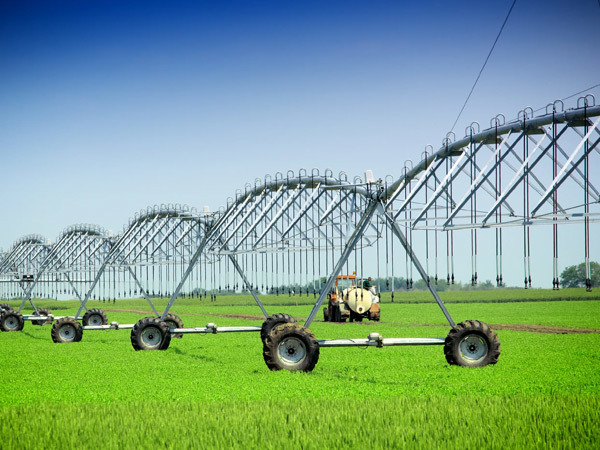
A high-tech enterprise specializing in large-scale sprinkler irrigation and water and fertilizer integration


Upgrading Your Farm: Transitioning to Solar Center Pivot Irrigation for Sustainable Agriculture
Release time:
May 31,2026
Upgrading Your Farm: Transitioning to Solar Center Pivot Irrigation Table of Contents 1. Introduction to Solar Center Pivot Irrigation 2. Benefits of Solar Center Pivot Irrigation 2.1 Cost-Efficiency of Solar Irrigation Systems 2.2 Environmental Impact and Sustainability 3. Understanding the Technology Behind Solar Center Pivot Irrigation 3.1 Components of a Solar Center Pivot System
Upgrading Your Farm: Transitioning to Solar Center Pivot Irrigation
Table of Contents
1. Introduction to Solar Center Pivot Irrigation
2. Benefits of Solar Center Pivot Irrigation
2.1 Cost-Efficiency of Solar Irrigation Systems
2.2 Environmental Impact and Sustainability
3. Understanding the Technology Behind Solar Center Pivot Irrigation
3.1 Components of a Solar Center Pivot System
3.2 How Solar Panels Work in Irrigation
4. Evaluating Your Farm's Needs for Solar Irrigation
4.1 Assessing Land and Crop Requirements
4.2 Determining Water Supply and Quality
5. Cost Analysis: Solar Center Pivot Irrigation Installation
5.1 Upfront Investment and Long-Term Savings
5.2 Financial Incentives and Grants
6. Installation Process for Solar Center Pivot Irrigation
6.1 Choosing the Right Contractor
6.2 Step-by-Step Installation Guide
7. Maintenance and Troubleshooting of Solar Irrigation Systems
7.1 Routine Maintenance Tips
7.2 Common Issues and Fixes
8. Case Studies: Successful Implementations of Solar Center Pivot Irrigation
9. FAQs About Solar Center Pivot Irrigation
10. Conclusion
1. Introduction to Solar Center Pivot Irrigation
In the realm of modern agriculture, **transitioning to solar center pivot irrigation** stands as a beacon of innovation and sustainability. This irrigation method employs solar energy to power pivot systems that deliver water efficiently across vast farming areas. With the increasing challenges of climate change and water scarcity, farmers are seeking ways to enhance their irrigation techniques while reducing operational costs. This article delves into the transformative potential of solar center pivot irrigation, offering insights into its benefits, technology, and implementation strategies.
2. Benefits of Solar Center Pivot Irrigation
Farmers who opt for solar center pivot irrigation can enjoy a multitude of advantages that significantly enhance their agricultural practices.
2.1 Cost-Efficiency of Solar Irrigation Systems
One of the primary benefits of solar center pivot irrigation is its cost-efficiency. While the initial investment may seem substantial, the long-term savings on energy costs and water usage can be remarkable. By harnessing the sun’s energy, farmers can dramatically decrease their reliance on fossil fuels, thus lowering their overall operational expenses.
2.2 Environmental Impact and Sustainability
Solar center pivot irrigation is an eco-friendly alternative to traditional irrigation methods. This system minimizes water wastage and reduces carbon footprints, promoting sustainable farming practices. Moreover, by utilizing renewable energy, farmers contribute to the global effort of reducing greenhouse gas emissions, aligning their operations with environmentally conscious standards.
3. Understanding the Technology Behind Solar Center Pivot Irrigation
To appreciate the benefits of solar center pivot irrigation fully, it is essential to understand the technology that drives this innovation.
3.1 Components of a Solar Center Pivot System
A solar center pivot irrigation system consists of several key components: solar panels, pivot structures, pumps, and control systems. The **solar panels** convert sunlight into electricity, powering the system’s pumps and motors. The **pivot structure** rotates around a central point, distributing water uniformly across the field.
3.2 How Solar Panels Work in Irrigation
Solar panels utilize photovoltaic cells to convert sunlight into energy. This energy is then used to operate electric pumps, which draw water from ground or surface sources and distribute it through the pivot system. The integration of solar technology optimizes energy consumption, allowing for efficient water management.
4. Evaluating Your Farm's Needs for Solar Irrigation
Before transitioning to solar center pivot irrigation, farmers must evaluate their specific needs to ensure optimal system performance.
4.1 Assessing Land and Crop Requirements
Each farm is unique, with varying land sizes and crop types. Understanding the specific water requirements for different crops is crucial in designing an effective irrigation system. Factors such as soil type, climate, and crop growth stages will influence the irrigation strategy.
4.2 Determining Water Supply and Quality
Assessing the availability and quality of water sources is vital. Farmers must consider groundwater levels, surface water sources, and water quality to ensure that the irrigation system can meet the demands of their crops without compromising yield.
5. Cost Analysis: Solar Center Pivot Irrigation Installation
Understanding the financial aspects of transitioning to solar center pivot irrigation is integral to decision-making.
5.1 Upfront Investment and Long-Term Savings
The initial cost for installing solar center pivot irrigation can be significant, often ranging from $50,000 to $150,000, depending on farm size and system complexity. However, farmers can offset these costs through substantial long-term savings on energy bills, maintenance, and water usage.
5.2 Financial Incentives and Grants
Many governments and organizations offer financial incentives and grants to encourage the adoption of renewable energy technologies in agriculture. Farmers should explore available programs to reduce the financial burden of transitioning to solar irrigation.
6. Installation Process for Solar Center Pivot Irrigation
The installation process for solar center pivot irrigation involves careful planning and execution.
6.1 Choosing the Right Contractor
Selecting an experienced contractor is crucial for successful installation. Look for professionals who specialize in solar irrigation systems and have a proven track record. They can provide valuable insights and ensure that the system is tailored to meet specific farm requirements.
6.2 Step-by-Step Installation Guide
1. **Site Assessment**: Evaluate the land, water sources, and crop requirements.
2. **System Design**: Collaborate with the contractor to design the irrigation system based on the assessment.
3. **Procurement of Equipment**: Order necessary components like solar panels, pumps, and pivot structures.
4. **Installation**: Follow the contractor’s guidelines for setting up the system, including solar panel placement and pivot installation.
5. **Testing and Calibration**: Once installed, test the system for efficiency and make necessary adjustments.
7. Maintenance and Troubleshooting of Solar Irrigation Systems
Regular maintenance is essential for ensuring the longevity and efficiency of solar center pivot irrigation systems.
7.1 Routine Maintenance Tips
- **Check Solar Panels**: Regularly clean and inspect panels for optimal performance.
- **Inspect Pivot Structures**: Ensure all pivot components are functioning correctly and are free of debris.
- **Monitor Water Quality**: Regularly test water sources to prevent contamination.
7.2 Common Issues and Fixes
Some common issues include pump malfunctions and solar panel inefficiencies. Farmers should familiarize themselves with basic troubleshooting techniques or consult experts for complex problems.
8. Case Studies: Successful Implementations of Solar Center Pivot Irrigation
Examining successful case studies offers valuable insights into the practical applications of solar center pivot irrigation. For instance, a farm in California transitioned to solar irrigation and reported a 30% reduction in water costs and a significant increase in crop yield. Such examples demonstrate the potential benefits of adopting this innovative technology.
9. FAQs About Solar Center Pivot Irrigation
**Q1: How much does a solar center pivot irrigation system cost?**
A: The cost varies but typically ranges from $50,000 to $150,000, depending on the system's size and complexity.
**Q2: How much water can a solar center pivot irrigation system save?**
A: Farmers can save up to 30% more water compared to traditional irrigation methods, depending on the system’s efficiency.
**Q3: What types of crops are best suited for solar center pivot irrigation?**
A: Most crops can benefit, but it is particularly effective for large-scale row crops such as corn, soybeans, and wheat.
**Q4: Can existing pivot systems be converted to solar?**
A: Yes, existing irrigation systems can often be retrofitted with solar technology to enhance efficiency.
**Q5: How long does it take to install a solar center pivot irrigation system?**
A: Installation can take anywhere from a few weeks to a couple of months, depending on the complexity of the system and contractor availability.
10. Conclusion
Transitioning to solar center pivot irrigation represents a significant step towards sustainable and efficient farming practices. By embracing this innovative technology, farmers can reduce costs, conserve water, and minimize their environmental impact. As the demand for sustainable agriculture continues to grow, investing in solar-powered irrigation not only enhances productivity but also fosters a healthier planet for future generations. Embrace this opportunity to upgrade your farm and lead the way in modern agricultural practices.
Learn more about industry dynamics


New customers enjoy 10% product discount
PRODUCT CENTER
CONTACT US
Address: 2-1-2301, Phoenix International Plaza, High-tech Zone, Jinan City, Shandong Province
Quality of service to win customer satisfaction


Shandong Yihe Agricultural Technology Co., Ltd. (Shandong Kewo Water-Saving Irrigation Equipment Co., Ltd.)