A high-tech enterprise specializing in large-scale sprinkler irrigation and water and fertilizer integration


Adapting Towable Center Pivot Irrigation for Various Crop Types: A Comprehensive Guide
Release time:
Jun 12,2026
Adapting Towable Center Pivot Irrigation for Various Crop Types Introduction to Towable Center Pivot Irrigation In modern agriculture, efficient water management is crucial for maximizing yield and sustaining crop health. **Towable center pivot irrigation** systems have emerged as an innovative solution, allowing farmers to irrigate vast areas with reduced labor and water waste. This article delve
Adapting Towable Center Pivot Irrigation for Various Crop Types
Introduction to Towable Center Pivot Irrigation
In modern agriculture, efficient water management is crucial for maximizing yield and sustaining crop health. **Towable center pivot irrigation** systems have emerged as an innovative solution, allowing farmers to irrigate vast areas with reduced labor and water waste. This article delves into the adaptability of these irrigation systems for various crop types, providing insights into optimizing their use for different agricultural needs.
Understanding Towable Center Pivot Irrigation
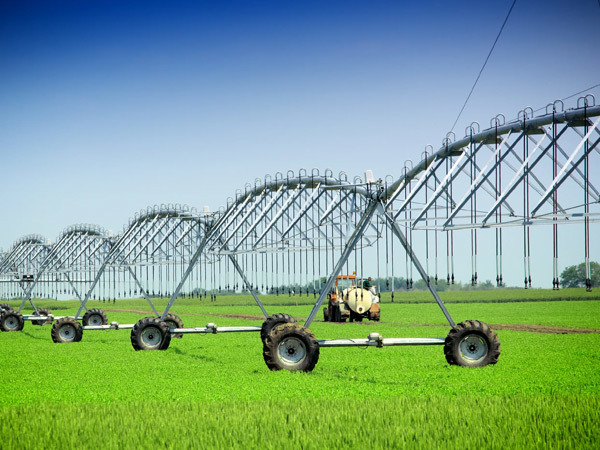
Towable center pivot irrigation systems consist of a rotating arm that waters crops as it moves along a fixed path. These systems are engineered for flexibility and efficiency, making them suitable for a wide range of crops. Below are key features of towable center pivot irrigation:
Key Components of Towable Center Pivot Systems
- **Pivot Point**: The central point from which the irrigation system rotates.
- **Span Units**: The sections of the pivot that extend outward, equipped with spray heads.
- **Control System**: Advanced technology for monitoring and adjusting water distribution.
- **Power Source**: Typically electric or solar, providing energy for movement and operation.
Benefits of Towable Center Pivot Irrigation
1. **Efficiency in Water Usage**: Reduces water runoff and evaporation.
2. **Consistent Water Distribution**: Ensures uniform application across the field.
3. **Labor Savings**: Minimizes the need for manual irrigation efforts.
4. **Scalability**: Easily expandable to cover larger areas as needed.
Compatibility with Various Crop Types
Towable center pivot irrigation systems can be adapted for a wide array of crops, including but not limited to:
1. Row Crops
Row crops such as corn, soybeans, and cotton thrive under the consistent moisture provided by towable pivot systems. To optimize irrigation for these crops:
- **Adjust the Spray Pattern**: Ensure appropriate nozzle sizes and spacing.
- **Monitor Soil Moisture Levels**: Utilize sensors to prevent over-irrigation.
2. Vegetables and Fruits
Vegetables and fruits require specific moisture levels to enhance flavor and growth. Here’s how to adapt pivot systems for these crops:
- **Frequent, Light Watering**: Modify the irrigation schedule for more frequent, lighter applications.
- **Tailored Fertilization**: Incorporate fertigation techniques to deliver nutrients through the irrigation system.
3. Perennial Crops**
Perennial crops, such as orchards and vineyards, benefit from a stable water supply. Key considerations include:
- **Irrigation Timing**: Schedule watering around critical growth phases for optimal fruit development.
- **Soil Health Maintenance**: Ensure that irrigation practices do not compromise soil structure or health.
4. Grains**
Grain crops like wheat and barley require precise irrigation strategies:
- **Seasonal Adjustments**: Tailor irrigation practices to different growth stages, from germination to harvest.
- **Drought Mitigation**: Use pivot systems to counteract dry spells effectively.
Setting Up Towable Center Pivot Irrigation
Installing a towable center pivot system requires careful planning and execution. Follow these steps for a successful setup:
1. Site Assessment
Conduct a thorough analysis of the land, considering factors such as:
- **Soil Type**: Identify drainage capabilities and soil moisture retention.
- **Topography**: Assess land slope and elevation to determine system layout.
- **Water Source**: Evaluate the availability and quality of the water supply.
2. Design the System
A well-designed system enhances efficiency and effectiveness. Key design elements include:
- **Field Size and Shape**: Determine the length and radius of the pivot system.
- **Water Application Rates**: Calculate the necessary flow rates based on crop needs.
- **Control Systems**: Select advanced technologies for automated management.
3. Installation Process**
Professional installation is key to the system's success. Key steps include:
- **Lay the Foundation**: Prepare the pivot point and ensure stability.
- **Install Span Units**: Set up the pivot arms and attach spray heads.
- **Connect the Power Supply**: Ensure reliable energy sources for operation.
4. Testing and Calibration**
Before full implementation, conduct thorough testing to calibrate:
- **Water Distribution**: Ensure even coverage across the entire field.
- **System Functionality**: Test the control system for responsiveness and accuracy.
Best Practices for Towable Center Pivot Irrigation
Implementing best practices ensures optimal performance of towable center pivot systems. Here are some essential tips:
1. Regular Maintenance
Routine inspections and maintenance prolong the lifespan of your irrigation system:
- **Check for Leaks**: Regularly inspect hoses and connections.
- **Clean Spray Heads**: Ensure nozzles remain clear for uniform water distribution.
2. Monitor Weather Conditions**
Stay updated on local weather patterns:
- **Adjust Irrigation Schedules**: Modify watering based on rainfall and temperature forecasts.
- **Implement Water-Saving Strategies**: Consider rain sensors to optimize water use.
3. Use Technology for Precision**
Leverage technology to enhance irrigation management:
- **Soil Moisture Sensors**: Integrate sensors to guide irrigation decisions.
- **Data Analytics**: Utilize data to refine irrigation schedules and ultimately improve crop health.
Challenges and Solutions in Adapting Towable Center Pivot Irrigation
While towable center pivot irrigation offers numerous advantages, challenges may arise. Here are common issues and effective solutions:
1. Uneven Water Distribution
**Problem**: Variability in water application can lead to crop stress.
**Solution**: Regularly calibrate nozzles and maintain equipment to ensure uniform distribution.
2. Soil Erosion**
**Problem**: Excessive watering may lead to soil erosion.
**Solution**: Implement controlled irrigation schedules and monitor soil health closely.
3. Initial Investment Costs**
**Problem**: The upfront cost of a towable center pivot system can be significant.
**Solution**: Consider long-term savings in water usage and labor efficiency to justify the investment.
Case Studies: Successful Implementation of Towable Center Pivot Systems
Examining real-world examples of towable center pivot irrigation can provide valuable insights:
1. Case Study: Corn Production in Illinois
A farmer in Illinois implemented a towable center pivot system to enhance corn yields. By adjusting the irrigation schedule according to growth stages, they achieved a 20% increase in yield while reducing water usage by 30%.
2. Case Study: Vineyard Irrigation in California
A California vineyard adopted a towable pivot irrigation system to maintain optimal moisture levels. By utilizing soil moisture sensors, they effectively reduced water consumption by 40% while improving grape quality.
Future Trends in Irrigation Technology**
The future of agricultural irrigation is bright, with advancements in technology promising improved efficiency and sustainability. Key trends include:
1. Automation and AI Integration**
The rise of automation and artificial intelligence in irrigation management will lead to more precise watering schedules tailored to real-time conditions.
2. Sustainable Practices**
Emphasis on sustainable irrigation practices will continue to grow, encouraging farmers to adopt eco-friendly approaches that conserve water and protect soil health.
Conclusion
In summary, adapting towable center pivot irrigation for various crop types is a strategic approach to enhancing agricultural productivity. By understanding the unique needs of different crops, implementing best practices, and leveraging advanced technology, farmers can optimize their irrigation systems for greater efficiency and sustainability. Whether managing row crops, vegetables, or perennial plants, the benefits of a well-adapted irrigation system are clear. As agriculture continues to evolve, embracing innovative irrigation solutions will be essential for future success.
FAQs
1. What are the main advantages of towable center pivot irrigation?**
Towable center pivot irrigation systems offer efficient water usage, consistent coverage, labor savings, and scalability.
2. How can I customize my pivot system for different crops?**
Adjust spray patterns, watering schedules, and fertilization techniques based on the specific requirements of each crop type.
3. What maintenance is required for towable center pivot systems?**
Regular inspections for leaks, cleaning spray heads, and checking the control system are essential for optimal performance.
4. How does soil type affect irrigation practices?**
Soil type influences moisture retention and drainage capabilities, requiring adjustments in irrigation schedules and application rates.
5. What role does technology play in modern irrigation management?**
Technology, such as soil moisture sensors and data analytics, enhances precision in irrigation management, leading to improved crop health and resource efficiency.
Learn more about industry dynamics


New customers enjoy 10% product discount
PRODUCT CENTER
CONTACT US
Address: 2-1-2301, Phoenix International Plaza, High-tech Zone, Jinan City, Shandong Province
Quality of service to win customer satisfaction


Shandong Yihe Agricultural Technology Co., Ltd. (Shandong Kewo Water-Saving Irrigation Equipment Co., Ltd.)