A high-tech enterprise specializing in large-scale sprinkler irrigation and water and fertilizer integration


The Essential Role of Electric Center Pivot Irrigation in Driving Sustainable Farming Practices
Release time:
Jun 18,2026
The Essential Role of Electric Center Pivot Irrigation in Driving Sustainable Farming Practices Table of Contents 1. Introduction to Electric Center Pivot Irrigation 2. Understanding Sustainable Farming and Its Importance 3. How Electric Center Pivot Irrigation Works 4. Benefits of Electric Center Pivot Irrigation in Sustainable Agriculture 5. Technological Advancements in Ele
The Essential Role of Electric Center Pivot Irrigation in Driving Sustainable Farming Practices
Table of Contents
- 1. Introduction to Electric Center Pivot Irrigation
- 2. Understanding Sustainable Farming and Its Importance
- 3. How Electric Center Pivot Irrigation Works
- 4. Benefits of Electric Center Pivot Irrigation in Sustainable Agriculture
- 5. Technological Advancements in Electric Center Pivot Irrigation
- 6. Case Studies: Successful Implementations of Electric Center Pivot Irrigation
- 7. Challenges and Solutions in Implementing Electric Center Pivot Irrigation
- 8. The Future of Electric Center Pivot Irrigation in Agriculture
- 9. Conclusion
- 10. Frequently Asked Questions
1. Introduction to Electric Center Pivot Irrigation
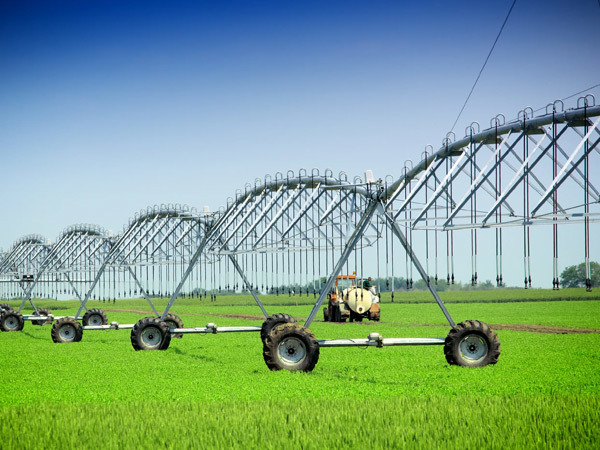
Electric center pivot irrigation is an innovative agricultural technology designed to efficiently and effectively distribute water across vast fields. Unlike traditional irrigation methods, which often lead to overwatering or underwatering, electric center pivot systems provide a precise and targeted approach to irrigation. This system operates on a rotating arm that moves around a central pivot point, ensuring even coverage of the crops.
As we strive for sustainable farming practices, understanding the role of electric center pivot irrigation becomes increasingly crucial. This system not only maximizes water efficiency but also significantly enhances crop yield, making it a cornerstone of modern agricultural practices.
2. Understanding Sustainable Farming and Its Importance
Sustainable farming refers to agricultural practices that preserve the environment, enhance soil quality, and promote biodiversity while ensuring economic viability. Sustainable agriculture aims to meet current food production needs without compromising future generations' ability to produce food.
The importance of sustainable farming cannot be overstated. With the global population expected to reach nearly 10 billion by 2050, finding ways to produce more food with less environmental impact is essential. Electric center pivot irrigation plays a vital role in this effort by conserving water and energy, leading to a more sustainable agricultural model.
3. How Electric Center Pivot Irrigation Works
Electric center pivot irrigation systems consist of several key components: the central pivot point, the rotating arm, and the sprinklers. The pivot point serves as the anchor, while the rotating arm extends outward, equipped with a series of sprinklers that distribute water evenly across the field.
**How It Operates:**
1. **Water Source:** Water is drawn from a source, typically a well or reservoir.
2. **Control System:** Farmers can adjust the speed of the pivot and the timing of watering through a control panel, allowing for precise management based on crop needs.
3. **Sprinkler Distribution:** As the pivot rotates, the sprinklers release water at predetermined rates, ensuring that each part of the field receives the appropriate amount of moisture.
This method not only maximizes water use efficiency but also minimizes evaporation and runoff, making it an environmentally friendly choice.
4. Benefits of Electric Center Pivot Irrigation in Sustainable Agriculture
Electric center pivot irrigation offers numerous advantages that align with sustainable farming principles:
1. **Water Conservation:** By delivering water directly to the crops' root zones, this system reduces water wastage, promoting responsible water use.
2. **Increased Crop Yields:** Consistent and adequate moisture helps crops grow more robustly, leading to higher yields and better quality produce.
3. **Labor Efficiency:** Automating irrigation processes reduces the need for manual labor, allowing farmers to allocate resources more effectively.
4. **Soil Preservation:** The precise application of water minimizes soil erosion and runoff, maintaining soil health and fertility.
5. **Adaptability:** Electric center pivot systems can be customized for various crop types and field shapes, making them versatile solutions for different farming scenarios.
5. Technological Advancements in Electric Center Pivot Irrigation
The evolution of technology has significantly impacted electric center pivot irrigation systems. Recent advancements include:
1. **Smart Irrigation Technology:** IoT devices and sensors enable real-time monitoring of soil moisture levels, weather conditions, and crop health, allowing for data-driven irrigation decisions.
2. **Variable Rate Irrigation (VRI):** This technology allows farmers to apply different amounts of water to various parts of the field, optimizing water use based on specific crop requirements.
3. **Remote Control Systems:** Farmers can now operate and monitor irrigation systems remotely, enhancing convenience and flexibility in managing water resources.
4. **Energy Efficiency:** With the development of energy-efficient motors and solar-powered systems, electric center pivot irrigation has become more sustainable and cost-effective.
These advancements are transforming how farmers approach irrigation, making it easier to implement sustainable practices.
6. Case Studies: Successful Implementations of Electric Center Pivot Irrigation
Numerous farms worldwide have successfully integrated electric center pivot irrigation into their operations. Here are a few notable examples:
1. **Midwest USA:** A corn and soybean farm in Nebraska adopted electric center pivot irrigation to combat water scarcity issues. By implementing the system, the farm increased its yield by 20% while reducing water usage by 30%.
2. **Australia:** An olive farm in New South Wales implemented electric center pivot systems to manage water resources efficiently. The result was not only increased olive production but also a significant reduction in labor costs associated with manual irrigation.
3. **Spain:** A vineyard in La Rioja adopted smart irrigation technology alongside electric center pivot systems. By utilizing soil moisture sensors, the vineyard optimized its water use and improved grape quality, leading to higher market prices.
These case studies illustrate the transformative impact of electric center pivot irrigation on agricultural productivity and sustainability.
7. Challenges and Solutions in Implementing Electric Center Pivot Irrigation
While the benefits of electric center pivot irrigation are clear, challenges do exist:
1. **Initial Costs:** The upfront investment for electric center pivot systems can be significant. However, financing options and government grants can help farmers offset these costs.
2. **Technical Expertise:** Farmers may require training to effectively use advanced irrigation technologies. Partnering with agricultural extension services can provide the necessary education and support.
3. **Maintenance Requirements:** Regular maintenance is essential for optimal performance. Establishing a maintenance schedule and training staff can prevent costly repairs and downtime.
Addressing these challenges through education, financial assistance, and proper planning can ensure successful implementation.
8. The Future of Electric Center Pivot Irrigation in Agriculture
The future of electric center pivot irrigation looks promising, driven by ongoing technological advancements and a growing awareness of sustainable farming practices. As water scarcity becomes a more pressing issue, the demand for efficient irrigation solutions will only increase.
Emerging technologies such as artificial intelligence and machine learning will likely play a pivotal role in optimizing irrigation strategies, enabling farmers to make even more informed decisions. Additionally, the integration of renewable energy sources, such as solar power, will further enhance the sustainability of electric center pivot systems.
The continuous evolution of electric center pivot irrigation will empower farmers to produce food more efficiently while minimizing environmental impacts, contributing to a more sustainable agricultural landscape.
9. Conclusion
Electric center pivot irrigation represents a significant advancement in sustainable farming practices. By optimizing water usage, increasing crop yields, and reducing labor costs, this technology contributes to a more sustainable agricultural future. As farmers embrace innovative solutions, the role of electric center pivot irrigation will continue to grow, ensuring that agriculture remains viable and environmentally friendly in the face of global challenges.
10. Frequently Asked Questions
1. What is electric center pivot irrigation?
Electric center pivot irrigation is an automated system that waters crops using a rotating arm with sprinklers, anchored at a central pivot point.
2. How does electric center pivot irrigation promote sustainability?
This irrigation method conserves water, enhances crop yields, and reduces labor costs, aligning with sustainable agricultural practices.
3. What are the main components of an electric center pivot irrigation system?
The main components include the central pivot point, the rotating arm, and the sprinklers that distribute water over the field.
4. What technological advancements are influencing electric center pivot irrigation?
Recent advancements include smart irrigation technology, variable rate irrigation (VRI), remote control systems, and energy-efficient motors.
5. What challenges do farmers face when implementing electric center pivot irrigation?
Challenges include initial costs, the need for technical expertise, and ongoing maintenance requirements. Solutions are available to address these challenges effectively.
This comprehensive overview of electric center pivot irrigation outlines its vital role in sustainable farming, demonstrating how it can contribute to a more efficient and environmentally friendly agricultural future.
Learn more about industry dynamics


New customers enjoy 10% product discount
PRODUCT CENTER
CONTACT US
Address: 2-1-2301, Phoenix International Plaza, High-tech Zone, Jinan City, Shandong Province
Quality of service to win customer satisfaction


Shandong Yihe Agricultural Technology Co., Ltd. (Shandong Kewo Water-Saving Irrigation Equipment Co., Ltd.)