A high-tech enterprise specializing in large-scale sprinkler irrigation and water and fertilizer integration


Combining Solar Center Pivot Irrigation with Rainwater Harvesting Techniques: A Sustainable Approach to Agriculture
Release time:
Jun 24,2026
Combining Solar Center Pivot Irrigation with Rainwater Harvesting Techniques Introduction to Sustainable Agriculture In recent years, agriculture has evolved significantly, driven by the need for sustainable practices that reduce resource consumption and environmental impact. Among these practices, **solar center pivot irrigation** and **rainwater harvesting** stand out as exceptional methods to o
Combining Solar Center Pivot Irrigation with Rainwater Harvesting Techniques
Introduction to Sustainable Agriculture
In recent years, agriculture has evolved significantly, driven by the need for sustainable practices that reduce resource consumption and environmental impact. Among these practices, **solar center pivot irrigation** and **rainwater harvesting** stand out as exceptional methods to optimize water usage in farming. This article explores how combining these two techniques can enhance agricultural productivity while contributing to environmental conservation.
Understanding Solar Center Pivot Irrigation Systems
The Basics of Solar Center Pivot Irrigation
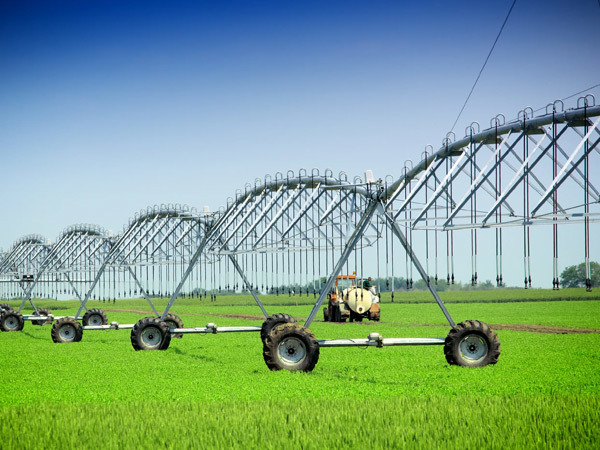
Solar center pivot irrigation systems utilize a circular arrangement of pipes that rotate around a central pivot point. Equipped with solar panels, these systems harness solar energy to power pumps and motors, providing an eco-friendly irrigation solution. The use of solar energy not only reduces operational costs but also minimizes greenhouse gas emissions, making it a favorable option for environmentally conscious farmers.
Advantages of Solar Center Pivot Irrigation
1. **Energy Efficiency**: By utilizing solar power, farmers can significantly reduce their reliance on fossil fuels, which are often expensive and environmentally damaging.
2. **Water Conservation**: The precision of center pivot irrigation minimizes water wastage by delivering water directly to the root zone of crops, promoting efficient water use.
3. **Increased Yield**: Consistent and controlled irrigation helps in achieving higher crop yields, as crops receive the right amount of water at the right time.
Exploring Rainwater Harvesting Techniques
What is Rainwater Harvesting?
Rainwater harvesting is the practice of collecting and storing rainwater for agricultural use. This technique can significantly supplement existing water supply sources, providing a sustainable water management solution. The process generally involves capturing runoff from roofs or surfaces and channeling it into storage systems.
Benefits of Rainwater Harvesting in Agriculture
1. **Cost-Effective**: Utilizing rainwater reduces the dependency on expensive irrigation systems and municipal water sources.
2. **Environmental Impact**: Harvesting rainwater decreases soil erosion and runoff, promoting better water quality and reducing flooding risks.
3. **Resource Availability**: Rainwater can be stored for use during dry seasons, ensuring that crops receive adequate moisture even in times of drought.
Synergizing Solar Irrigation and Rainwater Harvesting
How the Two Systems Work Together
Combining solar center pivot irrigation with rainwater harvesting creates a robust agricultural system that maximizes water efficiency. Here’s how they complement each other:
1. **Water Availability**: Rainwater harvesting provides a supplementary water source that can be fed into the solar irrigation system, ensuring reliable water availability throughout the growing season.
2. **Energy Independence**: The solar-powered irrigation system can help distribute harvested rainwater effectively, reducing the need for electricity from conventional sources, further enhancing sustainability.
3. **Cost Reduction**: By integrating both systems, farmers can reduce operational costs associated with water procurement and energy consumption.
Implementation Strategies for Farmers
1. **Site Assessment**: Before installation, conduct a thorough assessment of the land to determine optimal locations for both solar panels and rainwater collection systems.
2. **System Design**: Collaborate with agricultural engineers to design a system that incorporates both solar center pivot irrigation and rainwater harvesting tailored to specific crop needs.
3. **Maintenance and Management**: Regular maintenance of both systems is essential to ensure optimal performance. This includes cleaning solar panels and repairing any leaks in the rainwater collection system.
Environmental Benefits of Combining These Techniques
Reducing Water Scarcity
By integrating solar irrigation with rainwater harvesting, farmers can alleviate water scarcity issues common in arid regions. This approach promotes resilience against climate variability and enhances the sustainability of agricultural practices.
Enhancing Soil Health
The combination of these techniques encourages better soil health through responsible water management. Proper irrigation leads to improved soil moisture levels, promoting healthier crop growth and reducing the need for chemical fertilizers.
Economic Impacts on Farming
Cost Savings and Efficiency
Farmers who adopt these combined strategies often experience significant cost savings. The reduced reliance on external water sources and fossil fuels lowers operational expenses, making farms more economically viable.
Long-term Financial Sustainability
By investing in sustainable technologies like solar irrigation and rainwater harvesting, farmers position themselves for long-term financial stability. Increased yields and reduced costs translate to higher profit margins.
Case Studies and Real-World Applications
Successful Implementations
Several farms around the world have successfully integrated solar center pivot irrigation with rainwater harvesting. These case studies illustrate the effectiveness of this combined approach in improving agricultural output and sustainability.
- **Case Study 1**: A farm in California that adopted this system saw a 30% increase in yield while reducing water usage by 40%.
- **Case Study 2**: In Australia, a farm utilizing solar-powered pivots combined with rainwater collection reported a significant decrease in irrigation costs, leading to enhanced profitability.
Future Trends in Agricultural Technology
Innovations on the Horizon
As technology continues to advance, we can expect to see even more innovative approaches to integrating solar and rainwater collection systems. Smart technology, such as IoT devices for monitoring soil moisture and weather conditions, will play a critical role in optimizing these systems for maximum efficiency.
Frequently Asked Questions (FAQs)
1. What is the initial cost of implementing solar center pivot irrigation?
The initial investment can vary depending on the size of the farm and specific system requirements, but many farmers find that the cost is offset by long-term savings on energy and water.
2. How much rainwater can be harvested in an average year?
The amount of rainwater harvested largely depends on the local climate, roof size, and collection system efficiency. A well-designed system can capture thousands of gallons annually.
3. Are there government incentives for adopting these technologies?
Many governments offer grants and financial incentives for farmers who implement sustainable practices, including solar irrigation and rainwater harvesting.
4. How does rainwater harvesting affect crop quality?
Rainwater is typically free from chemicals found in municipal supplies, promoting healthier crop growth and potentially improving quality.
5. Can these systems be used in conjunction with traditional irrigation methods?
Yes, farmers can use these advanced systems alongside traditional methods to create a hybrid approach that maximizes efficiency and water conservation.
Conclusion
Combining **solar center pivot irrigation** with **rainwater harvesting** techniques represents a forward-thinking approach to modern agriculture. This synergistic relationship not only enhances **water efficiency** and **crop yields** but also significantly contributes to the sustainability of farming practices. As we face increasing challenges related to climate change and resource scarcity, integrating these innovative solutions will be paramount for the future of agriculture. By adopting these methods, farmers can lead the way toward a more sustainable, productive, and environmentally friendly agricultural landscape.
Learn more about industry dynamics


New customers enjoy 10% product discount
PRODUCT CENTER
CONTACT US
Address: 2-1-2301, Phoenix International Plaza, High-tech Zone, Jinan City, Shandong Province
Quality of service to win customer satisfaction


Shandong Yihe Agricultural Technology Co., Ltd. (Shandong Kewo Water-Saving Irrigation Equipment Co., Ltd.)