A high-tech enterprise specializing in large-scale sprinkler irrigation and water and fertilizer integration


Maximizing Efficiency with Lateral Move Irrigation Systems in Modern Agriculture
Release time:
Jul 03,2026
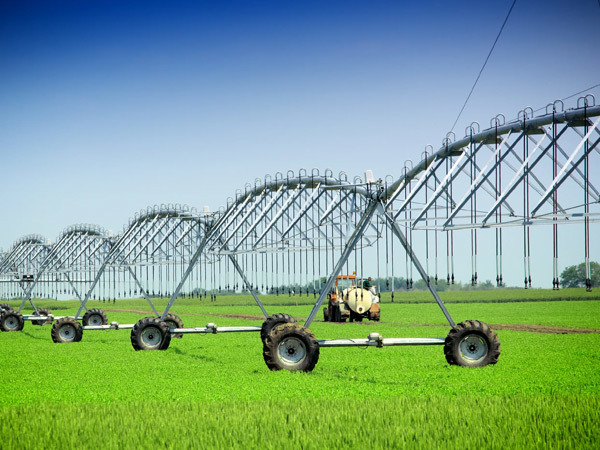
In the ever-evolving landscape of agricultural practices, efficient irrigation is paramount for optimizing crop yield and resource management. One of the standout solutions in this domain is the lateral move irrigation system, designed to enhance water distribution and minimize waste. This article provides a comprehensive overview of lateral move irrigation systems, focusing on their functionality
Lateral move irrigation systems operate by employing a series of wheeled towers that move laterally across the field, distributing water evenly over the crops. This type of system offers several advantages over traditional stationary systems. Firstly, the mobility of lateral move systems allows for more precise water application, ensuring that each area of the field receives the right amount of moisture. This is particularly beneficial in large fields where water distribution can often be uneven.
Another significant benefit of lateral move irrigation systems is their adaptability. They can be customized to fit various field shapes and sizes, making them suitable for a wide range of agricultural operations. Farmers can adjust the speed and direction of the system, allowing for flexibility in addressing the unique requirements of different crops and soil types.
Moreover, lateral move irrigation systems are designed with water conservation in mind. By applying water directly to the root zones of plants, these systems reduce evaporation and runoff, leading to significant savings in water usage. This not only conserves a precious resource but also lowers operational costs for farmers.
For those considering a lateral move irrigation system, there are several best practices to keep in mind. First, thorough planning is essential. Conducting a detailed assessment of the field and understanding its specific irrigation needs will help in selecting the appropriate system design. Additionally, regular maintenance is crucial to ensure optimal performance. Routine checks on the equipment and timely repairs will prevent downtime and extend the lifespan of the system.
Furthermore, incorporating technology such as soil moisture sensors and automated controls can enhance the efficiency of lateral move irrigation systems. These technologies provide real-time data, allowing farmers to make informed decisions about water application based on the actual needs of the crops.
In conclusion, lateral move irrigation systems represent a significant advancement in agricultural irrigation technology. Their efficiency, adaptability, and emphasis on water conservation make them an excellent choice for modern farmers looking to optimize their operations. By following best practices and leveraging technology, agricultural professionals can maximize the benefits of these systems, ensuring sustainable and productive farming practices for the future.
Learn more about industry dynamics


New customers enjoy 10% product discount
PRODUCT CENTER
CONTACT US
Address: 2-1-2301, Phoenix International Plaza, High-tech Zone, Jinan City, Shandong Province
Quality of service to win customer satisfaction


Shandong Yihe Agricultural Technology Co., Ltd. (Shandong Kewo Water-Saving Irrigation Equipment Co., Ltd.)