A high-tech enterprise specializing in large-scale sprinkler irrigation and water and fertilizer integration


How Pointer Type Sprinkler Irrigation Can Transform Your Farming Practices
Release time:
Jul 06,2026
How Pointer Type Sprinkler Irrigation Can Transform Your Farming Practices Table of Contents 1. Introduction to Pointer Type Sprinkler Irrigation 2. Key Benefits of Pointer Type Sprinkler Irrigation 3. Operating Principles of Pointer Type Sprinkler Irrigation 4. Installation and Maintenance of Pointer Type Sprinkler Systems 5. Cost-Effectiveness of Pointer Type Sprinkler Irrigation 6.
How Pointer Type Sprinkler Irrigation Can Transform Your Farming Practices
Table of Contents
- 1. Introduction to Pointer Type Sprinkler Irrigation
- 2. Key Benefits of Pointer Type Sprinkler Irrigation
- 3. Operating Principles of Pointer Type Sprinkler Irrigation
- 4. Installation and Maintenance of Pointer Type Sprinkler Systems
- 5. Cost-Effectiveness of Pointer Type Sprinkler Irrigation
- 6. Real-World Case Studies: Transforming Farms with Pointer Type Sprinklers
- 7. Environmental Impact of Pointer Type Sprinkler Irrigation
- 8. Future Trends in Pointer Type Sprinkler Irrigation Technology
- 9. Frequently Asked Questions
- 10. Conclusion
1. Introduction to Pointer Type Sprinkler Irrigation
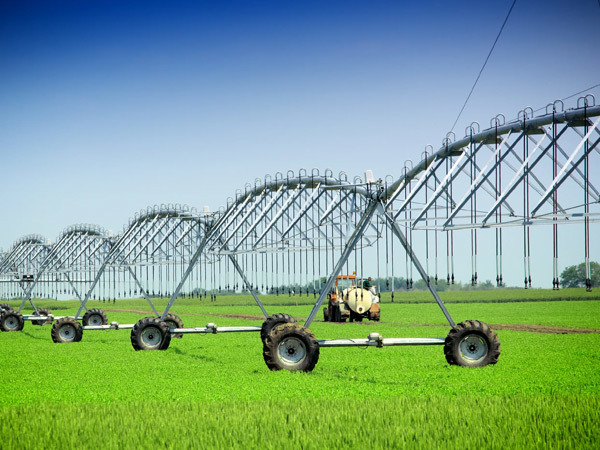
Pointer type sprinkler irrigation is a specialized irrigation system that utilizes adjustable sprinklers to deliver water efficiently across agricultural fields. Unlike traditional irrigation methods, this system allows for precise control over the amount of water distributed, ensuring optimal hydration for crops. With the increasing challenges of water scarcity and climate change, farmers are turning to innovative solutions like pointer type sprinkler irrigation to improve crop yields and sustainability.
2. Key Benefits of Pointer Type Sprinkler Irrigation
The advantages of pointer type sprinkler irrigation are numerous and significant:
2.1 Enhanced Water Efficiency
By using advanced technology, pointer type sprinklers minimize water wastage. The system can adjust the direction and range of the water spray, ensuring that every drop counts. This precision leads to targeted watering, which is especially critical in regions where water resources are limited.
2.2 Increased Crop Yields
Studies have shown that fields irrigated with pointer type systems yield higher crops compared to those using traditional irrigation methods. The consistent moisture levels provided by these sprinklers promote healthy plant growth, leading to robust harvests.
2.3 Reduced Labor Costs
Automation is a key feature of pointer type sprinkler systems. Farmers can program irrigation schedules based on specific crop needs, significantly reducing manual labor. This efficiency allows farmers to allocate their time and resources to other essential farm activities.
2.4 Flexibility and Customization
Pointer type sprinklers can be easily adapted to different field shapes and sizes. Farmers can customize their irrigation patterns according to the unique needs of their crops, enhancing overall productivity.
3. Operating Principles of Pointer Type Sprinkler Irrigation
Understanding the operational mechanics of pointer type sprinkler systems is vital for successful implementation. These systems operate on the following principles:
3.1 Adjustable Nozzles
Pointer type sprinklers come equipped with adjustable nozzles that allow farmers to modify the angle and distance of water distribution. This flexibility accommodates various crop types and growth stages.
3.2 Pressure Regulation
Maintaining consistent water pressure is crucial for effective irrigation. Pointer type systems often incorporate pressure regulators to ensure an even flow of water, preventing overwatering or underwatering.
3.3 Automation
Many modern pointer type systems feature automated controls that can be programmed to irrigate based on time or soil moisture levels. This technology ensures optimal watering schedules without manual intervention.
4. Installation and Maintenance of Pointer Type Sprinkler Systems
Setting up a pointer type sprinkler irrigation system requires careful planning and execution. Here’s how to get started:
4.1 Site Assessment
Before installation, conduct a thorough assessment of the field. Consider soil type, crop requirements, and the local climate to determine the best layout and system specifications.
4.2 Professional Installation
While some farmers may opt for DIY installations, enlisting professional help can ensure that the system is set up correctly. Professionals can provide valuable insights into optimal sprinkler placement and calibration.
4.3 Regular Maintenance
To keep the system functioning effectively, regular maintenance is essential. This includes checking for clogs, ensuring proper pressure levels, and inspecting for leaks. A well-maintained system can last for many years, providing ongoing benefits.
5. Cost-Effectiveness of Pointer Type Sprinkler Irrigation
Investing in pointer type sprinkler irrigation can yield significant financial benefits:
5.1 Initial Investment vs. Long-Term Savings
While the initial installation costs may be higher than traditional methods, the long-term savings on water and labor costs can justify the investment. Farmers can expect a return on their investment through increased yields and reduced operational costs.
5.2 Government Subsidies and Incentives
Many governments and agricultural organizations offer subsidies and incentives for farmers who adopt water-efficient irrigation technologies. Investigating these opportunities can further offset costs and encourage sustainable practices.
6. Real-World Case Studies: Transforming Farms with Pointer Type Sprinklers
Success stories from farmers who have implemented pointer type sprinkler systems showcase their transformative potential:
6.1 Case Study: A Corn Farm
A corn farmer in the Midwest reported a 30% increase in yield after switching to a pointer type sprinkler system. The farmer noted that the precision watering eliminated areas of over- and under-watering, leading to healthier plants and better overall production.
6.2 Case Study: A Vegetable Farm
In a vegetable farm operating in a drought-prone area, the adoption of pointer type sprinklers allowed the farmer to maintain consistent watering schedules, resulting in a 25% reduction in water usage while improving crop quality and harvest size.
7. Environmental Impact of Pointer Type Sprinkler Irrigation
The adoption of pointer type sprinkler irrigation is not just beneficial for farmers; it also positively impacts the environment:
7.1 Conservation of Water Resources
As water scarcity becomes an increasing concern globally, using irrigation systems that conserve water is essential. Pointer type sprinklers significantly reduce water wastage, promoting sustainable agricultural practices.
7.2 Reduced Soil Erosion
Traditional irrigation methods can lead to soil erosion. With controlled watering patterns, pointer type systems minimize soil displacement, maintaining soil health and fertility over time.
8. Future Trends in Pointer Type Sprinkler Irrigation Technology
As technology advances, pointer type sprinkler irrigation systems are expected to evolve:
8.1 Integration with Smart Farming Technologies
With the rise of smart farming technologies, future pointer type sprinklers will likely integrate with IoT devices and sensors. This integration can provide real-time data on soil moisture and weather conditions, further optimizing irrigation practices.
8.2 Advancements in Water-Saving Technologies
Ongoing research and development in water-saving technologies may lead to even more efficient pointer type sprinkler designs, maximizing water use efficiency and crop productivity in the years to come.
9. Frequently Asked Questions
9.1 What is a pointer type sprinkler irrigation system?
A pointer type sprinkler irrigation system is a precise watering technology that uses adjustable sprinklers to optimize water distribution across agricultural fields.
9.2 How does pointer type sprinkler irrigation improve crop yields?
By delivering water more efficiently and evenly, pointer type systems promote healthy plant growth and improve crop yields compared to traditional irrigation methods.
9.3 What are the maintenance requirements for these systems?
Regular maintenance includes checking for clogs, ensuring proper pressure levels, and inspecting for leaks to keep the system functioning effectively.
9.4 Are there any government incentives for adopting this technology?
Many agricultural organizations and governments offer subsidies and incentives to farmers who adopt water-efficient irrigation technologies, helping to offset installation costs.
9.5 Can I install a pointer type sprinkler system myself?
While DIY installation is possible, it is recommended to seek professional help to ensure proper setup and calibration for optimal performance.
10. Conclusion
The implementation of pointer type sprinkler irrigation represents a significant advancement in agricultural practices. By enhancing water efficiency, boosting crop yields, and reducing labor costs, this innovative system is transforming farms worldwide. As water scarcity becomes an increasingly pressing issue, adopting such technologies will not only benefit individual farmers but also contribute to sustainable farming practices on a global scale. Embracing pointer type sprinkler irrigation will undoubtedly pave the way for a more productive and sustainable future in agriculture.
Learn more about industry dynamics


New customers enjoy 10% product discount
PRODUCT CENTER
CONTACT US
Address: 2-1-2301, Phoenix International Plaza, High-tech Zone, Jinan City, Shandong Province
Quality of service to win customer satisfaction


Shandong Yihe Agricultural Technology Co., Ltd. (Shandong Kewo Water-Saving Irrigation Equipment Co., Ltd.)