A high-tech enterprise specializing in large-scale sprinkler irrigation and water and fertilizer integration


How to Analyze the Performance of Your Solar Center Pivot Irrigation System
Release time:
Jul 12,2026
How to Analyze the Performance of Your Solar Center Pivot Irrigation System Table of Contents 1. Introduction to Solar Center Pivot Irrigation Systems 2. Importance of Performance Analysis 3. Key Components of a Solar Center Pivot Irrigation System 3.1 Solar Panels 3.2 Pivot Mechanism 3.3 Control Systems 3.4 Water Management Systems 4. Performance Metrics to Monitor 4.1 Water Application Rates 4.2
How to Analyze the Performance of Your Solar Center Pivot Irrigation System
Table of Contents
1. Introduction to Solar Center Pivot Irrigation Systems
2. Importance of Performance Analysis
3. Key Components of a Solar Center Pivot Irrigation System
3.1 Solar Panels
3.2 Pivot Mechanism
3.3 Control Systems
3.4 Water Management Systems
4. Performance Metrics to Monitor
4.1 Water Application Rates
4.2 Energy Consumption
4.3 Crop Yield Analysis
4.4 System Efficiency Ratios
5. Tools and Technologies for Performance Analysis
5.1 Data Collection Technologies
5.2 Software Solutions
5.3 Remote Sensing and Drones
6. Steps to Analyze Performance Effectively
6.1 Data Collection and Monitoring
6.2 Evaluating Performance Metrics
6.3 Making Informed Decisions
7. Troubleshooting Common Issues
7.1 Identifying Performance Bottlenecks
7.2 Maintenance Best Practices
8. Future Trends in Solar Center Pivot Irrigation Systems
9. Frequently Asked Questions (FAQs)
10. Conclusion
1. Introduction to Solar Center Pivot Irrigation Systems
The agricultural sector continually seeks innovative solutions to improve efficiency and sustainability. Solar center pivot irrigation systems represent a significant advancement in modern farming, combining renewable energy with traditional irrigation methods. These systems enable farmers to optimally irrigate their fields while reducing dependency on fossil fuels, thereby promoting environmental sustainability. Analyzing the performance of these systems is critical to maximize their potential and ensure that they meet the farming requirements effectively.
2. Importance of Performance Analysis
Understanding how to analyze the performance of your solar center pivot irrigation system is essential for several reasons. Effective performance analysis helps in identifying inefficiencies, optimizing resource use, and improving crop yields. Regular assessments of performance metrics allow farmers to make data-driven decisions that can lead to significant cost savings and enhanced productivity. By continuously monitoring performance, farmers can respond proactively to issues, reducing downtime and maintenance costs.
3. Key Components of a Solar Center Pivot Irrigation System
To analyze the performance accurately, it is vital to understand the main components that make up a solar center pivot irrigation system.
3.1 Solar Panels
Solar panels are pivotal in harnessing solar energy to power the irrigation system. The efficiency of these panels directly impacts the overall performance of the system. Monitoring the output and condition of solar panels is essential for optimal functioning.
3.2 Pivot Mechanism
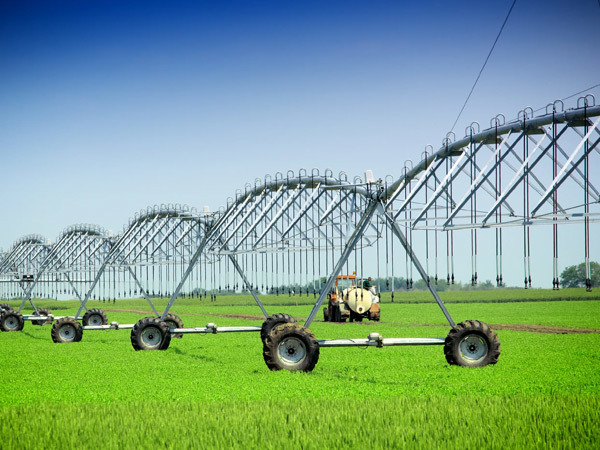
The pivot mechanism is responsible for the rotation of the irrigation arm around a central point, allowing for even distribution of water across the field. Analyzing its operational efficiency can prevent uneven watering and water wastage.
3.3 Control Systems
Control systems automate the irrigation process, adjusting water delivery based on real-time data such as soil moisture levels and weather conditions. Effective monitoring of these systems ensures timely and appropriate irrigation.
3.4 Water Management Systems
These systems manage the distribution and application of water, ensuring that crops receive the right amount of irrigation. Analyzing water management efficiency can lead to improved resource conservation.
4. Performance Metrics to Monitor
Analyzing the performance of your solar center pivot irrigation system involves tracking specific metrics that indicate how well the system operates.
4.1 Water Application Rates
Monitoring water application rates helps evaluate how effectively the system delivers water to crops. Ideal rates vary depending on crop type and growth stage, making this analysis essential for maintaining optimal soil moisture levels.
4.2 Energy Consumption
Assessing energy consumption is crucial since solar systems aim to reduce energy costs. By analyzing how much energy is used versus the solar output, farmers can identify potential areas for improvement.
4.3 Crop Yield Analysis
Crop yield is a direct indicator of irrigation performance. Analyzing yield data helps assess whether the irrigation system is meeting the crop's water requirements and can provide insights for future adjustments.
4.4 System Efficiency Ratios
Efficiency ratios provide a snapshot of how well the system converts solar energy into effective irrigation. Regular evaluations of these ratios can highlight areas for optimization.
5. Tools and Technologies for Performance Analysis
The advent of technology has revolutionized how farmers analyze the performance of their irrigation systems. There are several tools available that can significantly aid in this process.
5.1 Data Collection Technologies
Utilizing sensors and IoT devices enables real-time data collection on soil moisture, weather conditions, and system performance. This data forms the foundation for thorough performance analysis.
5.2 Software Solutions
Various software solutions can aid in interpreting data collected from the irrigation system. These programs can provide insights and analytics that help farmers make informed decisions about their irrigation practices.
5.3 Remote Sensing and Drones
Remote sensing technologies, including drones, can be utilized to conduct aerial imagery assessments of fields. This allows for identifying areas that may need adjustments in water application, enhancing overall system performance.
6. Steps to Analyze Performance Effectively
Implementing a structured approach to performance analysis can greatly enhance the efficiency of your irrigation system.
6.1 Data Collection and Monitoring
Begin by establishing a system for consistent data collection. Utilize sensors and monitoring tools to gather information on various performance metrics, ensuring that data is collected regularly and accurately.
6.2 Evaluating Performance Metrics
Once data is collected, analyze the various performance metrics. Compare current data against historical performance to identify trends and areas of concern.
6.3 Making Informed Decisions
Based on the analysis, determine necessary adjustments to optimize performance. This may include recalibrating the irrigation schedule, modifying energy consumption practices, or implementing new technologies.
7. Troubleshooting Common Issues
Identifying and remedying common issues in solar center pivot irrigation systems is crucial for maintaining peak performance.
7.1 Identifying Performance Bottlenecks
Regular performance analysis may reveal bottlenecks that hinder efficiency. Common issues include clogs in the system, misaligned pivot arms, or malfunctioning sensors.
7.2 Maintenance Best Practices
Routine maintenance is essential for ensuring the longevity and efficiency of your irrigation system. Best practices include regular inspections, cleaning components, and replacing worn-out parts.
8. Future Trends in Solar Center Pivot Irrigation Systems
Looking ahead, advancements in technology will continue to shape the future of solar center pivot irrigation systems. Innovations like AI-driven analytics, automated adjustments, and enhanced solar panel efficiency will further optimize the performance and sustainability of these systems.
9. Frequently Asked Questions (FAQs)
Q1: How often should I analyze the performance of my solar center pivot irrigation system?
A1: Performance analysis should be conducted regularly, ideally at the beginning and end of each irrigation season, as well as after significant weather events.
Q2: What are the signs that my irrigation system is underperforming?
A2: Indications of underperformance may include uneven crop growth, reduced yields, higher energy costs, and frequent system malfunctions.
Q3: Can weather conditions affect the performance of my solar center pivot irrigation system?
A3: Yes, weather conditions such as high winds, heavy rainfall, and prolonged drought can significantly impact the performance and efficiency of your system.
Q4: What maintenance tasks are essential for my irrigation system?
A4: Key maintenance tasks include cleaning filters, checking for leaks, inspecting electrical connections, and ensuring solar panels are free from debris.
Q5: How can I improve the efficiency of my solar panels in the irrigation system?
A5: Regular cleaning, optimal positioning for sunlight exposure, and monitoring performance can help improve solar panel efficiency in your irrigation system.
10. Conclusion
Analyzing the performance of your solar center pivot irrigation system is not just a one-time task; it is an ongoing process crucial for maximizing efficiency and sustainability in agriculture. By regularly monitoring key performance metrics, utilizing the right tools and technologies, and adopting best practices for maintenance, farmers can unlock the full potential of their irrigation systems. As the agricultural landscape continues to evolve, staying informed about innovations and adjustments will be essential for future success. Embracing this proactive approach ensures that your irrigation system remains a vital asset in your farming operations, contributing to productivity and environmental stewardship.
Learn more about industry dynamics


New customers enjoy 10% product discount
PRODUCT CENTER
CONTACT US
Address: 2-1-2301, Phoenix International Plaza, High-tech Zone, Jinan City, Shandong Province
Quality of service to win customer satisfaction


Shandong Yihe Agricultural Technology Co., Ltd. (Shandong Kewo Water-Saving Irrigation Equipment Co., Ltd.)