A high-tech enterprise specializing in large-scale sprinkler irrigation and water and fertilizer integration


Maximizing Crop Yield with a Lateral Move Irrigation System: A Comprehensive Guide
Release time:
Jul 24,2026
Maximizing Crop Yield with a Lateral Move Irrigation System Table of Contents 1. Introduction to Lateral Move Irrigation Systems 2. Benefits of Lateral Move Irrigation Systems 3. How Lateral Move Irrigation Systems Work 4. Key Components of Lateral Move Systems 5. Implementing a Lateral Move Irrigation System 6. Maintenance Tips for Lateral Move Irrigation Systems 7. C
Maximizing Crop Yield with a Lateral Move Irrigation System
Table of Contents
- 1. Introduction to Lateral Move Irrigation Systems
- 2. Benefits of Lateral Move Irrigation Systems
- 3. How Lateral Move Irrigation Systems Work
- 4. Key Components of Lateral Move Systems
- 5. Implementing a Lateral Move Irrigation System
- 6. Maintenance Tips for Lateral Move Irrigation Systems
- 7. Case Studies: Success Stories of Lateral Move Irrigation
- 8. Frequently Asked Questions
- 9. Conclusion
1. Introduction to Lateral Move Irrigation Systems
Lateral move irrigation systems have become essential in modern agriculture, particularly for farmers seeking to **maximize crop yield** while conserving water. Designed to efficiently distribute water across vast fields, these systems promise not only increased productivity but also sustainable farming practices. By understanding how lateral move systems operate and how they can be integrated into your existing agricultural strategies, you can significantly enhance your crop performance and resource management.
2. Benefits of Lateral Move Irrigation Systems
Implementing a lateral move irrigation system offers numerous advantages:
2.1 Improved Water Efficiency
One of the most significant benefits of lateral move irrigation is its ability to deliver water more efficiently. Unlike traditional methods that may lead to runoff or evaporation losses, lateral systems ensure that water reaches the root zones of crops consistently.
2.2 Enhanced Crop Yield
By providing precise and adequate water supply at critical growth stages, lateral move systems can considerably enhance crop yield. This leads to healthier plants and ultimately increases profitability for farmers.
2.3 Flexibility and Versatility
Lateral move irrigation systems are adaptable to various field sizes and crop types. Whether you are growing vegetables, grains, or fruits, these systems can be tailored to meet your unique irrigation needs.
2.4 Reduced Labor Costs
With automation capabilities, lateral move systems require less manual intervention. This reduction in labor not only cuts costs but also allows farmers to focus on other essential aspects of their operations.
3. How Lateral Move Irrigation Systems Work
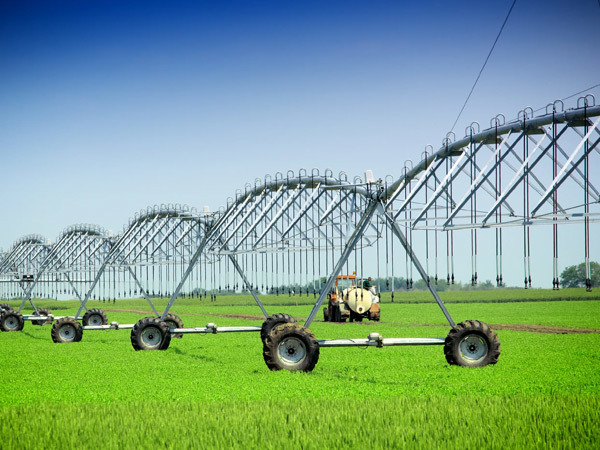
Lateral move irrigation systems operate on a distinct mechanism. These systems consist of a series of wheeled towers that move across the field on a predetermined path, distributing water through a series of rotating sprinklers.
3.1 Water Source and Delivery
Water is typically delivered from a centralized source, such as a well or reservoir, through a series of pipes that feed into the lateral system. As the system moves, it effectively covers a large area, ensuring that every part of your field receives adequate moisture.
3.2 Movement and Control
Most lateral move systems use advanced technology to automate movement. These systems can be programmed to follow specific routes, ensuring that no area is overlooked during irrigation.
4. Key Components of Lateral Move Systems
Understanding the components of a lateral move irrigation system is essential for optimal performance:
4.1 Mainline and Lateral Pipelines
These pipes transport water from the source to the field and distribute it across the irrigation area.
4.2 Wheeled Towers
The wheeled towers are the heart of the system, allowing for mobility and efficient coverage of large areas.
4.3 Sprinkler Heads
Rotating sprinkler heads ensure an even distribution of water, catering to the specific needs of various crops.
4.4 Control Panel
The control panel is crucial for automating the system. It allows farmers to set schedules and adjust settings based on weather conditions and crop requirements.
5. Implementing a Lateral Move Irrigation System
Integrating a lateral move irrigation system into your agricultural practices involves several key steps:
5.1 Assessing Your Needs
Before implementation, conduct a thorough assessment of your field size, crop types, and water availability to determine the best configuration for your lateral move system.
5.2 Choosing the Right System
Select a system that aligns with your agricultural goals. Consider factors such as mobility, durability, and automation features.
5.3 Installation Process
Engage professionals for installation to ensure that the system is set up correctly and operates efficiently. Proper installation is critical for maximizing effectiveness.
5.4 Training and Familiarization
Once installed, train your staff on operating and maintaining the system. Familiarity with the technology will enable quick troubleshooting and improve overall efficiency.
6. Maintenance Tips for Lateral Move Irrigation Systems
Regular maintenance is crucial for the longevity and performance of your lateral move irrigation system:
6.1 Regular Inspections
Conduct routine inspections to identify and address potential issues, such as leaks or mechanical failures.
6.2 Cleaning and Winterization
Ensure that sprinkler heads and pipelines are cleaned regularly to prevent clogs. In colder climates, winterization prevents damage from freezing temperatures.
6.3 Calibration and Adjustments
Regularly calibrate the system to ensure that it operates at peak efficiency. Adjustments may be necessary based on crop growth stages and weather conditions.
7. Case Studies: Success Stories of Lateral Move Irrigation
Real-world examples can illustrate the effectiveness of lateral move irrigation systems:
7.1 Case Study 1: Vegetable Farmer in California
A vegetable farmer implemented a lateral move system and reported a 30% increase in yield within the first season. The system’s efficiency allowed for better water management, reducing waste significantly.
7.2 Case Study 2: Grain Farmer in the Midwest
A grain farmer adopted a lateral move system, which led to improved crop uniformity and health. The increased yield resulted in higher profits, allowing for reinvestment into further enhancements.
8. Frequently Asked Questions
8.1 What are the initial costs associated with a lateral move irrigation system?
The costs vary based on field size and system complexity, but initial investments can typically range from $30,000 to $100,000.
8.2 How long does it take to install a lateral move irrigation system?
Installation can take a few days to several weeks, depending on the size of the system and the field layout.
8.3 Can lateral move systems be automated?
Yes, most lateral move systems come with automation features that allow for programming and remote control.
8.4 What crops are best suited for lateral move irrigation?
Lateral move systems are versatile and can accommodate a wide range of crops, including grains, fruits, and vegetables.
8.5 How do I determine the right water flow rate for my system?
Consult with irrigation specialists to evaluate your field's specific needs and adjust flow rates based on crop requirements and environmental factors.
9. Conclusion
Lateral move irrigation systems represent a significant advancement in agricultural practices, marrying technology with sustainability to enhance crop yield and resource efficiency. By understanding the components, benefits, and maintenance of these systems, farmers can make informed decisions that lead to increased productivity and profitability. Embracing such innovations not only helps in maximizing crop yield but also supports the long-term health of our agricultural landscapes. The future of farming lies in these intelligent irrigation solutions, paving the way for a more sustainable and fruitful agricultural era.
Learn more about industry dynamics


New customers enjoy 10% product discount
PRODUCT CENTER
CONTACT US
Address: 2-1-2301, Phoenix International Plaza, High-tech Zone, Jinan City, Shandong Province
Quality of service to win customer satisfaction


Shandong Yihe Agricultural Technology Co., Ltd. (Shandong Kewo Water-Saving Irrigation Equipment Co., Ltd.)