A high-tech enterprise specializing in large-scale sprinkler irrigation and water and fertilizer integration


The Advantages of Hose Reel Truss Sprinkler Irrigation for Agricultural Facilities
Release time:
Aug 05,2026
The Advantages of Hose Reel Truss Sprinkler Irrigation for Agricultural Facilities Table of Contents 1. Introduction to Hose Reel Truss Sprinkler Irrigation 2. Key Benefits of Hose Reel Truss Sprinkler Irrigation 2.1 Enhanced Water Efficiency 2.2 Cost-Effectiveness 2.3 Improved Crop Health 2.4 Ease of Use and Installation
The Advantages of Hose Reel Truss Sprinkler Irrigation for Agricultural Facilities
Table of Contents
- 1. Introduction to Hose Reel Truss Sprinkler Irrigation
- 2. Key Benefits of Hose Reel Truss Sprinkler Irrigation
- 2.1 Enhanced Water Efficiency
- 2.2 Cost-Effectiveness
- 2.3 Improved Crop Health
- 2.4 Ease of Use and Installation
- 2.5 Versatility in Application
- 3. Technical Aspects of Hose Reel Truss Sprinklers
- 4. Environmental Impact of Hose Reel Truss Sprinkler Systems
- 5. Case Studies: Success Stories
- 6. Frequently Asked Questions
- 7. Conclusion
1. Introduction to Hose Reel Truss Sprinkler Irrigation
Hose reel truss sprinkler irrigation systems have revolutionized modern agricultural practices. These innovative systems provide an efficient and effective means of delivering water to crops, ensuring optimal growth conditions and enhanced yields. As agricultural facilities face the challenges of climate variability and water scarcity, the adoption of advanced irrigation technologies becomes crucial. In this article, we will explore the numerous benefits of hose reel truss sprinkler irrigation systems, their technical aspects, environmental impact, and real-world success stories.
2. Key Benefits of Hose Reel Truss Sprinkler Irrigation
Hose reel truss sprinklers offer a myriad of advantages that make them an attractive option for agricultural facilities. Below, we delve into specific benefits that contribute to their growing popularity.
2.1 Enhanced Water Efficiency
One of the most significant **benefits of hose reel truss sprinkler irrigation** is their ability to optimize water usage. These systems are designed to deliver water directly to the root zones of crops, minimizing evaporation and runoff. By using a controlled watering approach, farmers can achieve higher water efficiency, which is particularly crucial in areas experiencing drought conditions. The precise application helps in reducing water waste and promotes sustainable farming practices.
2.2 Cost-Effectiveness
Investing in hose reel truss sprinkler systems can lead to long-term cost savings for agricultural facilities. The initial investment may seem substantial; however, the savings on water bills, labor costs, and improved crop yields quickly offset these expenses. Moreover, many modern hose reel systems are equipped with advanced features, such as automation and remote control, which reduce labor costs and enhance operational efficiency. This cost-effectiveness makes them an appealing choice for farmers looking to maximize their returns.
2.3 Improved Crop Health
Proper irrigation is critical to maintaining healthy crops, and hose reel truss sprinkler systems excel in this area. By ensuring even water distribution, these systems help prevent common issues associated with under- or over-watering, such as root rot or drought stress. Healthier crops not only yield better harvests but also are less susceptible to pests and diseases. This improvement in crop health can lead to increased marketability and profitability for farmers.
2.4 Ease of Use and Installation
Hose reel truss sprinkler systems are designed with user-friendliness in mind. Their straightforward installation process means that farmers can set them up quickly and efficiently, allowing for immediate use. Additionally, many systems come with user manuals and online resources that further simplify the installation and operation process. The ability to easily relocate and adjust these systems enhances their overall usability, making them a practical choice for dynamic farming environments.
2.5 Versatility in Application
The versatility of hose reel truss sprinklers is another key advantage. These systems can be used across a wide range of crops, from row crops to orchards and vineyards. Their adaptability allows farmers to customize irrigation strategies based on specific crop needs and environmental conditions. Furthermore, hose reel systems can be utilized for various applications, including frost protection and dust suppression, adding to their functionality within agricultural settings.
3. Technical Aspects of Hose Reel Truss Sprinklers
Understanding the technical features of hose reel truss sprinklers is essential for effective implementation. This section will explore the design and functionality, as well as the maintenance requirements of these systems.
3.1 Design and Functionality
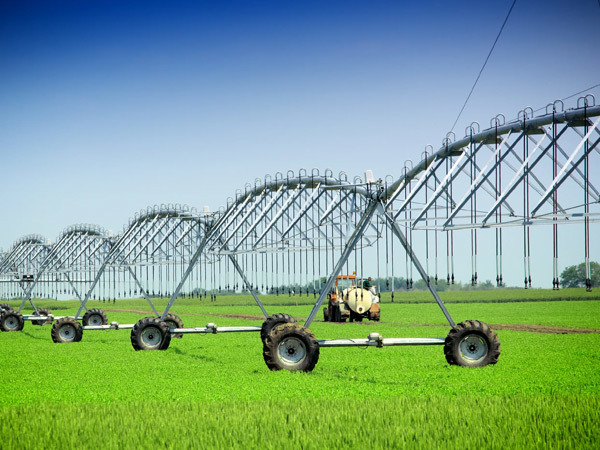
Hose reel truss sprinklers typically consist of a reel that houses a flexible hose attached to a series of nozzles. The design allows for efficient winding and unwinding of the hose, enabling quick setup and movement across fields. The nozzles are engineered to provide uniform coverage, ensuring that every section of the field receives adequate water. Many modern systems incorporate technology such as timers and sensors, allowing farmers to automate irrigation schedules and monitor water usage in real-time.
3.2 Maintenance Requirements
Maintaining hose reel truss sprinkler systems is relatively straightforward, making them an attractive option for farmers. Regular inspections for leaks, wear and tear, and nozzle blockages are essential to ensure optimal performance. Furthermore, seasonal winterization procedures help prevent damage during colder months. By adhering to a maintenance schedule, farmers can extend the lifespan of their irrigation equipment and maintain its efficiency.
4. Environmental Impact of Hose Reel Truss Sprinkler Systems
The environmental sustainability of hose reel truss sprinkler irrigation systems is a significant consideration in today’s agricultural practices. These systems contribute positively to environmental conservation through efficient water usage and reduced runoff. By minimizing water waste, they help preserve valuable water resources, particularly in arid regions. Additionally, the improved crop health that results from precise irrigation can lead to reduced dependence on chemical fertilizers and pesticides, further benefiting the environment.
5. Case Studies: Success Stories
Several agricultural facilities have successfully implemented hose reel truss sprinkler systems, showcasing their effectiveness in enhancing productivity and sustainability.
**Case Study 1: Vineyard Irrigation**
A vineyard in California adopted a hose reel truss sprinkler system to manage water distribution effectively. By implementing this technology, the vineyard reported a 20% increase in grape yield compared to the previous year. The system's ability to provide precise irrigation minimized water waste and improved fruit quality, leading to higher market prices.
**Case Study 2: Row Crop Farming**
An Iowa-based row crop farm transitioned to hose reel truss sprinklers to replace their traditional flood irrigation method. After the switch, the farmer noted a significant reduction in water usage and labor costs. Crop health improved, resulting in a 15% increase in overall yield.
These case studies illustrate the tangible benefits that hose reel truss sprinklers can bring to various agricultural operations.
6. Frequently Asked Questions
1. How do hose reel truss sprinkler systems work?
Hose reel truss sprinkler systems operate by unwinding a flexible hose from a reel, allowing water to flow through nozzles that distribute it evenly across the targeted area.
2. What crops are best suited for hose reel truss sprinklers?
Hose reel truss sprinklers are versatile and can effectively irrigate a variety of crops, including row crops, orchards, and vineyards.
3. Are hose reel truss sprinklers difficult to maintain?
No, they require minimal maintenance, including regular inspections for leaks and occasional winterization procedures to prevent damage.
4. Can hose reel truss sprinklers be automated?
Yes, many modern systems come equipped with automation features, such as timers and moisture sensors, allowing for more efficient water management.
5. What are the cost implications of installing hose reel truss sprinklers?
While the initial investment may seem high, the long-term savings on water bills and improved crop yields generally offset these costs.
7. Conclusion
In summary, hose reel truss sprinkler irrigation systems offer numerous advantages for agricultural facilities, from enhanced water efficiency and cost-effectiveness to improved crop health and environmental sustainability. As the agricultural industry continues to evolve, the adoption of advanced irrigation technologies like hose reel truss sprinklers will play a crucial role in addressing the challenges of modern farming. By investing in these innovative systems, farmers can not only optimize their operations but also contribute to a more sustainable future in agriculture.
Learn more about industry dynamics

New customers enjoy 10% product discount
PRODUCT CENTER
CONTACT US
Address: 2-1-2301, Phoenix International Plaza, High-tech Zone, Jinan City, Shandong Province
Quality of service to win customer satisfaction


Shandong Yihe Agricultural Technology Co., Ltd. (Shandong Kewo Water-Saving Irrigation Equipment Co., Ltd.)