A high-tech enterprise specializing in large-scale sprinkler irrigation and water and fertilizer integration


How Center Pivot Irrigation Enhances Crop Rotation Strategies for Sustainable Agriculture
Release time:
Aug 11,2026
How Center Pivot Irrigation Enhances Crop Rotation Strategies for Sustainable Agriculture Introduction to Center Pivot Irrigation and Crop Rotation In the ever-evolving landscape of agriculture, **center pivot irrigation** emerges as a pivotal technology that transforms how farmers manage water resources and crop production. This innovative system not only conserves water but also significantly en
How Center Pivot Irrigation Enhances Crop Rotation Strategies for Sustainable Agriculture
Introduction to Center Pivot Irrigation and Crop Rotation
In the ever-evolving landscape of agriculture, **center pivot irrigation** emerges as a pivotal technology that transforms how farmers manage water resources and crop production. This innovative system not only conserves water but also significantly enhances the effectiveness of **crop rotation strategies**. By understanding the synergy between these two agricultural practices, farmers can optimize yields, improve soil health, and foster sustainable farming methods that can withstand the test of time.
The Importance of Crop Rotation in Modern Agriculture
Crop rotation involves alternating the types of crops grown in a particular area across seasons or years. This age-old practice serves several vital purposes:
1. Soil Fertility and Health
Rotating crops helps maintain soil fertility by preventing nutrient depletion. Different crops require various nutrients, and by alternating them, farmers can ensure a balanced nutrient profile in the soil. Leguminous crops, for instance, fix nitrogen in the soil, benefiting subsequent crops that may require this essential nutrient.
2. Pest and Disease Management
Crop rotation disrupts the life cycles of pests and diseases that thrive on specific crops. By changing the crop type, farmers can reduce the risk of infestations and plant diseases, leading to healthier yields and decreased reliance on chemical pesticides.
3. Improved Soil Structure
Diverse root systems from various crops can enhance soil structure and aeration. This natural aeration improves water infiltration and retention, making the soil more resilient to drought conditions.
Understanding Center Pivot Irrigation Systems
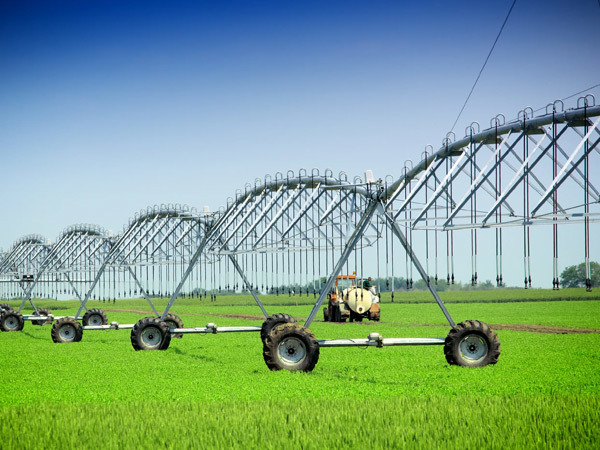
Center pivot irrigation systems consist of a rotating overhead sprinkler system that moves around a central pivot point, irrigating crops in a circular pattern. This method offers several advantages:
1. Efficient Water Use
Center pivot irrigation optimizes water usage by delivering water directly to the crop's root zone, minimizing evaporation and runoff. This efficiency is crucial in regions facing water scarcity.
2. Uniform Water Distribution
The design of center pivot systems ensures that water is uniformly distributed across the field. This consistency promotes even crop growth and reduces the risk of water stress in plants.
3. Reduced Labor Costs
Automated center pivot systems require less manual labor compared to traditional irrigation methods. This automation allows farmers to focus on other vital aspects of farm management.
Integrating Center Pivot Irrigation with Crop Rotation Strategies
The combination of center pivot irrigation and crop rotation creates a powerful synergy, leading to enhanced agricultural productivity. Here’s how:
1. Tailored Irrigation Schedules for Different Crops
With center pivot systems, farmers can easily adjust irrigation schedules based on the specific needs of different crops. This flexibility is beneficial when implementing crop rotation, as various crops have distinct water requirements.
2. Water Conservation During Off-Seasons
During crop rotation periods when certain fields are left fallow or planted with cover crops, center pivot systems can be programmed to minimize water usage. This capability ensures sustainable water management practices and conserves resources for future planting seasons.
3. Enhanced Soil Moisture Management
Maintaining optimal soil moisture levels is critical for successful crop rotation. Center pivot systems allow for precise moisture control, reducing the risk of over- or under-watering. This precision ensures that crops receive the right amount of water, promoting healthy growth and maximizing yields.
Challenges and Considerations in Implementing Center Pivot Irrigation
While center pivot irrigation presents numerous advantages, farmers should be aware of certain challenges:
1. Initial Investment Costs
The installation of center pivot systems can be costly. Farmers must consider the return on investment and weigh it against potential gains in crop yields and water savings.
2. Maintenance Requirements
Regular maintenance is essential to ensure the longevity and efficiency of center pivot systems. Farmers should be prepared for ongoing costs associated with repairs and upkeep.
3. Compatibility with Soil Types
Not all soil types are ideal for center pivot irrigation. Understanding the local soil characteristics is crucial for successful implementation. Farmers may need to conduct soil tests to determine the suitability of their land for this irrigation method.
Case Studies: Successful Implementations of Center Pivot Irrigation and Crop Rotation
To illustrate the effectiveness of center pivot irrigation in enhancing crop rotation strategies, we can examine various case studies from around the world:
1. Case Study: Midwest USA
In the Midwest, farmers have successfully integrated center pivot irrigation with crop rotation techniques, particularly focusing on corn and soybean cycles. The efficient water management provided by center pivots has led to increased yields while maintaining soil health.
2. Case Study: Australia
Australian farmers have leveraged center pivot systems in arid regions to optimize wheat and barley rotation. The precise irrigation capabilities have resulted in better drought resilience and improved soil moisture levels, ensuring sustainable crop production.
3. Case Study: European Union
In the EU, farmers utilizing center pivot irrigation have reported significant reductions in water usage while maintaining high productivity levels through diversified crop rotations. This practice promotes environmental sustainability in agricultural practices.
Future Trends in Center Pivot Irrigation and Crop Rotation
As technology advances, the future of center pivot irrigation and crop rotation looks promising:
1. Smart Irrigation Technologies
The integration of sensors and IoT (Internet of Things) technology can provide real-time data on soil moisture levels, weather patterns, and crop health. These innovations will allow farmers to make informed decisions regarding irrigation and crop rotation.
2. Sustainable Agricultural Practices
The growing emphasis on sustainability will drive further adoption of center pivot irrigation paired with crop rotation. As farmers recognize the benefits of resource conservation, these practices will become more prevalent.
3. Policy Support and Education
Governments and agricultural organizations are likely to provide more support and resources for farmers looking to implement center pivot systems and crop rotation strategies. Educational programs will promote best practices and enhance knowledge sharing among farmers.
Frequently Asked Questions (FAQs)
1. What is the main advantage of center pivot irrigation?
The primary advantage of center pivot irrigation is its ability to deliver water efficiently and uniformly to crops, minimizing water waste and maximizing yields.
2. Can crop rotation be practiced without irrigation?
Yes, crop rotation can still be beneficial without irrigation; however, using irrigation systems like center pivots enhances its effectiveness by ensuring proper water management.
3. How does crop rotation improve soil health?
Crop rotation improves soil health by varying nutrient demands, reducing soil erosion, and preventing the buildup of pests and diseases associated with monoculture farming.
4. What types of crops work best with center pivot irrigation?
Center pivot irrigation is versatile and suitable for various crops, including corn, soybeans, wheat, and many vegetables. The choice depends on local climatic and soil conditions.
5. How can I determine if center pivot irrigation is right for my farm?
To determine suitability, consider factors such as initial investment costs, local soil characteristics, and water availability. Consulting with agricultural experts can provide valuable insights.
Conclusion
In conclusion, the integration of **center pivot irrigation** with **crop rotation strategies** represents a powerful approach to modern agriculture. By enhancing water efficiency, promoting soil health, and increasing crop yields, this combination paves the way for sustainable farming practices that can adapt to changing environmental conditions. As technology continues to evolve, the future of agriculture remains bright, with opportunities for innovation and improved practices on the horizon. Embracing these methodologies ensures that farmers remain resilient, productive, and environmentally conscious in their farming endeavors.
Learn more about industry dynamics


New customers enjoy 10% product discount
PRODUCT CENTER
CONTACT US
Address: 2-1-2301, Phoenix International Plaza, High-tech Zone, Jinan City, Shandong Province
Quality of service to win customer satisfaction


Shandong Yihe Agricultural Technology Co., Ltd. (Shandong Kewo Water-Saving Irrigation Equipment Co., Ltd.)