A high-tech enterprise specializing in large-scale sprinkler irrigation and water and fertilizer integration


Understanding the Mechanics of Pointer Type Sprinkler Irrigation Systems: A Comprehensive Guide
Release time:
Aug 17,2026
Understanding the Mechanics of Pointer Type Sprinkler Irrigation Systems In the realm of modern agriculture, efficient irrigation practices are paramount to maximizing crop yields while conserving valuable resources. Among the various irrigation technologies, pointer type sprinkler irrigation systems stand out for their precision and effectiveness. This article delves into the mechanics of these s
Understanding the Mechanics of Pointer Type Sprinkler Irrigation Systems
In the realm of modern agriculture, efficient irrigation practices are paramount to maximizing crop yields while conserving valuable resources. Among the various irrigation technologies, pointer type sprinkler irrigation systems stand out for their precision and effectiveness. This article delves into the mechanics of these systems, examining their components, operation, advantages, and best practices for implementation.
Table of Contents
- What is Pointer Type Sprinkler Irrigation?
- Key Components of Pointer Type Sprinkler Systems
- How Pointer Type Sprinklers Work
- Advantages of Using Pointer Type Sprinkler Systems
- Installation Process for Pointer Type Sprinklers
- Maintenance Tips for Optimal Performance
- Common Misconceptions About Pointer Type Sprinklers
- The Future of Pointer Type Sprinkler Irrigation Systems
- Frequently Asked Questions
What is Pointer Type Sprinkler Irrigation?
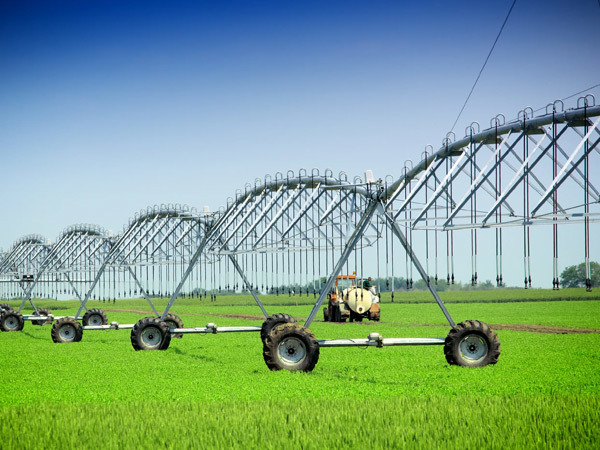
Pointer type sprinkler irrigation systems are a sophisticated method of watering crops that utilize rotating sprinklers to distribute water evenly across agricultural fields. These systems are designed to mimic natural rainfall and are crucial for areas where the availability of water is limited or inconsistent. The main objective is to provide the right amount of moisture to the plants, leading to optimal growth and yield.
The pointer type system generally includes a series of sprinklers mounted on a network of pipes that can be adjusted to target specific areas. This flexibility allows for precise control over water application, reducing waste and enhancing water efficiency.
Key Components of Pointer Type Sprinkler Systems
Understanding the individual components of pointer type sprinkler systems is crucial for effective implementation. Here are the key elements:
Pipes and Tubing
The backbone of any irrigation system, the pipes and tubing transport water from the source to the sprinklers. They are typically made of durable materials such as PVC or polyethylene to withstand high pressures and harsh environmental conditions.
Sprinkler Heads
Sprinkler heads are the critical devices that release water onto the crops. Pointer type sprinklers utilize a rotating mechanism that ensures an even distribution pattern, mimicking the natural distribution of rainfall.
Control Valves
Control valves are essential for regulating the flow of water through the system. They can be manually operated or automated, allowing for greater precision in water delivery.
Pressure Regulators
Pressure regulators maintain the desired water pressure throughout the system, ensuring that the sprinklers operate efficiently and effectively. This prevents over or under-watering of crops.
Controllers and Timers
Modern pointer type irrigation systems often incorporate timers and controllers that allow farmers to schedule watering times and durations, optimizing water use and ensuring crops receive adequate moisture without waste.
How Pointer Type Sprinklers Work
The operation of pointer type sprinkler systems involves a series of steps that work together to deliver water efficiently:
Water Source Connection
The system begins by connecting to a reliable water source, such as a well, reservoir, or municipal supply. The water is then transported through the main pipes.
Water Distribution
Once the water reaches the sprinkler heads, the control valves determine the flow rate. The pressure regulators ensure that the water is at the optimal pressure for the sprinkler heads to function effectively.
Sprinkler Rotation
As water is released from the sprinkler heads, a mechanical or electric mechanism allows the heads to rotate, dispersing water over a wide area in a controlled manner. This rotating action helps cover large sections of crops efficiently.
Advantages of Using Pointer Type Sprinkler Systems
Pointer type sprinkler irrigation systems offer numerous benefits that make them an attractive choice for farmers:
Water Efficiency
These systems are designed to minimize water wastage by providing targeted watering. This efficiency is crucial in regions susceptible to drought or limited water supply.
Improved Crop Yield
By ensuring consistent moisture levels, pointer type sprinklers contribute to healthier plant growth and higher yields. This reliability is essential for maximizing agricultural productivity.
Reduced Labor Costs
Automated systems can significantly reduce the need for manual labor in irrigation tasks, allowing farmers to allocate resources to other areas of their operations.
Versatility
Pointer type sprinkler systems can be adapted for various crops and field sizes, making them suitable for diverse agricultural practices.
Environmental Benefits
By promoting efficient water use, these systems also help in reducing runoff and soil erosion, contributing positively to the environment and local ecosystems.
Installation Process for Pointer Type Sprinklers
The successful implementation of a pointer type sprinkler system requires careful planning and execution. Here’s a step-by-step guide to the installation process:
Site Assessment
Before installation, conduct a thorough assessment of the site. Consider factors such as soil type, crop requirements, and existing water sources to determine the system's design.
Designing the System
Based on the site assessment, design the layout of the sprinkler system. This includes determining the locations of pipes, sprinklers, and control valves to maximize coverage and efficiency.
Gathering Materials
Once the design is finalized, gather all necessary materials, including pipes, fittings, sprinkler heads, valves, and connectors. Ensure that all components meet quality standards to guarantee longevity.
Installation of Pipes and Sprinklers
Begin the installation by laying down the main pipes and connecting the sprinkler heads according to the design. Ensure all connections are secure to prevent leaks.
Setting Up Control Systems
Install the control valves, pressure regulators, and timers in accordance with the design. Test the system to ensure that all components function correctly before proceeding to the next step.
Testing and Adjustment
After installation, conduct thorough testing to ensure even water distribution. Make necessary adjustments to the sprinkler heads and control settings to optimize performance.
Maintenance Tips for Optimal Performance
Proper maintenance is essential for ensuring that pointer type sprinkler systems operate efficiently over time. Here are some key maintenance tips:
Regular Inspection
Conduct regular inspections of all system components, including pipes, valves, and sprinkler heads, to identify any signs of wear or damage.
Cleaning Sprinkler Heads
Periodically clean the sprinkler heads to remove any debris or sediment buildup that could hinder water flow. This ensures consistent performance and distribution.
Checking for Leaks
Regularly check for leaks in the piping system. Addressing leaks promptly not only conserves water but also improves overall efficiency.
Seasonal Adjustments
Adjust the watering schedule based on seasonal changes and crop needs. This flexibility helps ensure that crops receive the appropriate amount of water year-round.
Winterization
In colder climates, take steps to winterize the system to prevent freezing and damage during the off-season. This may include draining water from pipes and insulating vulnerable components.
Common Misconceptions About Pointer Type Sprinklers
There are several myths surrounding pointer type sprinkler systems that can mislead farmers. Here are a few common misconceptions:
They Are Too Expensive
While the initial investment can be significant, the long-term savings in water usage and increased crop yields often outweigh the costs, making them a worthwhile investment.
They Require Constant Supervision
Modern automated systems reduce the need for constant supervision. With timers and controllers, farmers can set and forget their irrigation schedules.
Only Suitable for Large Farms
Pointer type sprinkler systems can be designed for various farm sizes, making them suitable even for small-scale operations.
The Future of Pointer Type Sprinkler Irrigation Systems
The future of pointer type sprinkler irrigation systems looks promising, with ongoing advancements in technology and design. Innovations such as smart irrigation systems powered by IoT (Internet of Things) are making it possible to monitor and manage irrigation remotely, further enhancing efficiency and reducing water waste.
As sustainable agricultural practices gain importance, pointer type sprinkler systems are expected to play a vital role in meeting the growing food demands of the global population while conserving precious water resources.
Frequently Asked Questions
1. How much water can pointer type sprinkler systems save compared to traditional irrigation methods?
Pointer type sprinkler systems can save up to 50% more water compared to traditional flooding methods by targeting specific areas with precise application rates.
2. What crops are best suited for pointer type sprinkler irrigation?
This irrigation method is effective for a wide variety of crops, including vegetables, fruits, and field crops. Its adaptability makes it a versatile option for diverse agricultural practices.
3. Can I install a pointer type sprinkler system myself?
While DIY installation is possible, it is advisable to consult with professionals to ensure that the system is designed and installed correctly for optimal performance.
4. What maintenance is required for pointer type sprinkler systems?
Regular maintenance includes inspecting components, cleaning sprinkler heads, checking for leaks, and making seasonal adjustments to the irrigation schedule.
5. Are pointer type sprinkler systems environmentally friendly?
Yes, these systems are designed to minimize water wastage and runoff, contributing to sustainable farming practices and protecting local ecosystems.
Conclusion
In summary, understanding the mechanics of pointer type sprinkler irrigation systems is essential for modern agricultural practices. By leveraging their precision, efficiency, and adaptability, farmers can significantly improve crop yields while conserving water resources. With proper installation, maintenance, and a clear understanding of their operation, pointer type sprinkler systems can be a valuable asset in the quest for sustainable agriculture. As technology continues to evolve, these systems will undoubtedly play an increasingly important role in feeding the world while protecting our precious natural resources.
Learn more about industry dynamics


New customers enjoy 10% product discount
PRODUCT CENTER
CONTACT US
Address: 2-1-2301, Phoenix International Plaza, High-tech Zone, Jinan City, Shandong Province
Quality of service to win customer satisfaction


Shandong Yihe Agricultural Technology Co., Ltd. (Shandong Kewo Water-Saving Irrigation Equipment Co., Ltd.)