A high-tech enterprise specializing in large-scale sprinkler irrigation and water and fertilizer integration


The Advantages of Implementing Remote Monitoring for Solar Center Pivot Irrigation Systems
Release time:
Aug 23,2026
The Advantages of Implementing Remote Monitoring for Solar Center Pivot Irrigation Systems Table of Contents Introduction to Remote Monitoring in Agriculture Understanding Solar Center Pivot Irrigation Benefits of Remote Monitoring for Solar Center Pivot Irrigation Enhanced Efficiency and Productivity Optimized Resource Management Data-Driv
The Advantages of Implementing Remote Monitoring for Solar Center Pivot Irrigation Systems
Table of Contents
- Introduction to Remote Monitoring in Agriculture
- Understanding Solar Center Pivot Irrigation
- Benefits of Remote Monitoring for Solar Center Pivot Irrigation
- Enhanced Efficiency and Productivity
- Optimized Resource Management
- Data-Driven Decision Making
- Remote Access and Control
- Cost Savings and Increased Profitability
- Key Components of Remote Monitoring Systems
- Best Practices for Implementing Remote Monitoring
- Future Trends in Remote Monitoring Technology
- FAQs about Remote Monitoring for Solar Center Pivot Irrigation
- Conclusion
Introduction to Remote Monitoring in Agriculture
In today's rapidly evolving agricultural landscape, **remote monitoring technology** has emerged as a game-changer. This advancement is particularly significant for solar center pivot irrigation systems, which are crucial for effective water management in farming. With the growing need for sustainable practices, farmers are increasingly turning to remote monitoring solutions to optimize their irrigation systems. This article explores the numerous benefits of remote monitoring for solar center pivot irrigation machines, focusing on how this technology can enhance efficiency, save resources, and ultimately improve crop yields.
Understanding Solar Center Pivot Irrigation
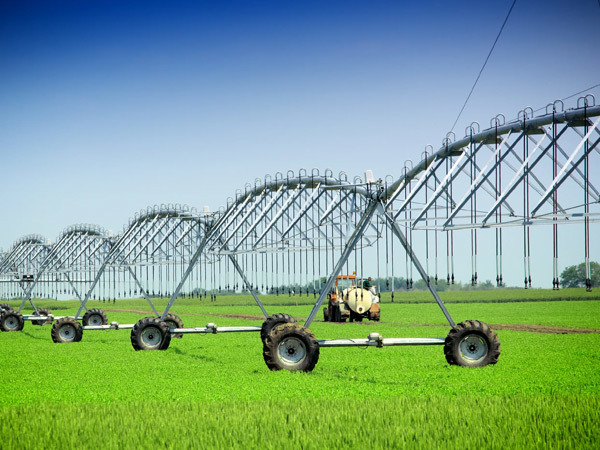
Solar center pivot irrigation systems are designed to provide efficient and effective water distribution across agricultural fields. These systems utilize a rotating arm that moves in a circular pattern, irrigating crops uniformly. Powered by solar energy, this technology offers several advantages, including reduced energy costs and a decreased carbon footprint.
How Solar Center Pivot Irrigation Works
The core functionality of a solar center pivot irrigation system involves a series of pipes with sprinkler heads mounted on them. The water is supplied from a central pivot point and distributed evenly across the field as the arm rotates. The integration of solar panels allows for the harnessing of renewable energy, making these systems more sustainable compared to traditional irrigation methods.
Benefits of Remote Monitoring for Solar Center Pivot Irrigation
Implementing remote monitoring systems offers a myriad of benefits for solar center pivot irrigation machines. These advantages significantly contribute to better farm management practices and improved crop outcomes.
Enhanced Efficiency and Productivity
Remote monitoring enables farmers to monitor the performance of their irrigation systems in real-time. By accessing data regarding soil moisture levels, weather conditions, and water usage, farmers can make informed decisions about when and how much to irrigate. This **enhanced efficiency** leads to increased productivity, minimizing water wastage and ensuring optimal crop growth.
Optimized Resource Management
Utilizing remote monitoring technology allows for efficient resource management. Farmers can track water usage, helping them conserve this precious resource and reduce operational costs. By understanding the specific water needs of different crops, farmers can tailor their irrigation schedules accordingly, resulting in better resource allocation and sustainability.
Data-Driven Decision Making
One of the most significant advantages of remote monitoring is the ability to collect and analyze data. This data-driven approach empowers farmers to make informed decisions based on real-time information. By analyzing trends in crop performance and irrigation efficiency, farmers can adjust their practices to maximize yields and minimize waste.
Remote Access and Control
The ability to remotely access and control irrigation systems is a key feature of modern agricultural technology. Farmers can monitor their solar center pivot irrigation systems from anywhere, using smartphones or computers. This **remote access** not only saves time but also allows for quick adjustments to be made in response to changing weather conditions or crop needs, ensuring that irrigation is always optimized.
Cost Savings and Increased Profitability
Investing in remote monitoring technology can lead to substantial cost savings over time. By optimizing water usage and improving crop yields, farmers can increase their profitability. Reduced labor costs are also a factor, as remote monitoring reduces the need for constant manual checks of the irrigation system, allowing farmers to focus on other critical aspects of their operations.
Key Components of Remote Monitoring Systems
To effectively implement remote monitoring for solar center pivot irrigation systems, several key components are necessary. These elements work together to provide comprehensive data collection and management capabilities.
1. Sensors
Sensors play a crucial role in remote monitoring systems. They can measure soil moisture, temperature, humidity, and other environmental factors. These sensors provide the data needed to make informed irrigation decisions.
2. Communication Technology
Reliable communication technology, such as IoT (Internet of Things) devices, enables seamless data transmission between the sensors and the farmer's monitoring platform. This connectivity is essential for real-time updates and remote access.
3. Data Management Software
Data management software collects and analyzes the information gathered by the sensors. This platform presents the data in an accessible format, allowing farmers to visualize trends and make data-driven decisions.
4. User Interface
A user-friendly interface, accessible via mobile devices or computers, allows farmers to interact with their irrigation systems easily. This interface provides real-time data visualization and control options, enhancing usability.
Best Practices for Implementing Remote Monitoring
To maximize the benefits of remote monitoring for solar center pivot irrigation systems, farmers should adhere to several best practices:
1. Choose the Right Technology
Selecting the appropriate sensors and communication technologies that meet the specific needs of the farm is crucial. Farmers should invest in high-quality systems that offer reliable data and connectivity.
2. Regular Maintenance and Calibration
To ensure accurate readings, regular maintenance and calibration of sensors are essential. Farmers should implement a routine check-up schedule to keep their systems functioning optimally.
3. Continuous Data Analysis
Farmers should make it a practice to continuously analyze the data collected from their remote monitoring systems. This analysis will allow them to refine their irrigation practices over time based on past performance and current trends.
4. Educate and Train Staff
Training staff on how to use remote monitoring systems effectively is vital. Ensuring that everyone involved in the farming operation understands how to interpret data and make informed decisions will lead to better outcomes.
Future Trends in Remote Monitoring Technology
As technology continues to advance, the future of remote monitoring in agriculture looks promising. Several trends are anticipated to shape this field:
1. Integration of AI and Machine Learning
The integration of artificial intelligence (AI) and machine learning will enhance the capabilities of remote monitoring systems. These technologies can process vast amounts of data, providing predictive insights that help farmers optimize their irrigation strategies.
2. Increased Use of Drones
Drones equipped with sensors and cameras are becoming increasingly popular for monitoring crop health and irrigation needs. They provide a bird's-eye view of agricultural fields, allowing for more precise data collection.
3. Enhanced Data Security
As remote monitoring systems become more prevalent, the importance of data security will grow. Future systems will likely incorporate advanced security measures to protect sensitive agricultural data from cyber threats.
FAQs about Remote Monitoring for Solar Center Pivot Irrigation
1. What is remote monitoring in agriculture?
Remote monitoring in agriculture refers to the use of technology to collect and analyze data from farming operations, enabling farmers to make informed decisions about irrigation, crop management, and resource allocation.
2. How does remote monitoring improve irrigation efficiency?
By providing real-time data on soil moisture levels, weather conditions, and crop needs, remote monitoring allows farmers to optimize irrigation schedules and reduce water wastage.
3. What are the main components of a remote monitoring system for irrigation?
Key components include sensors, communication technology, data management software, and a user-friendly interface for accessing and controlling irrigation systems.
4. Can remote monitoring systems help reduce costs for farmers?
Yes, by optimizing resource usage and improving crop yields, remote monitoring can lead to significant cost savings and increased profitability for farmers.
5. What future trends should farmers expect in remote monitoring technology?
Farmers can expect increased integration of AI, the use of drones for data collection, and enhanced data security measures in remote monitoring systems.
Conclusion
The adoption of remote monitoring for solar center pivot irrigation machines presents numerous advantages for modern farming practices. Enhanced efficiency, optimized resource management, and the ability to make data-driven decisions are just a few of the benefits that farmers can experience. As technology continues to evolve, embracing remote monitoring will not only help farmers maximize their crop yields but also contribute to more sustainable agricultural practices. By staying informed about the latest advancements and best practices, farmers can position themselves to thrive in an increasingly competitive market.
Learn more about industry dynamics

New customers enjoy 10% product discount
PRODUCT CENTER
CONTACT US
Address: 2-1-2301, Phoenix International Plaza, High-tech Zone, Jinan City, Shandong Province
Quality of service to win customer satisfaction


Shandong Yihe Agricultural Technology Co., Ltd. (Shandong Kewo Water-Saving Irrigation Equipment Co., Ltd.)