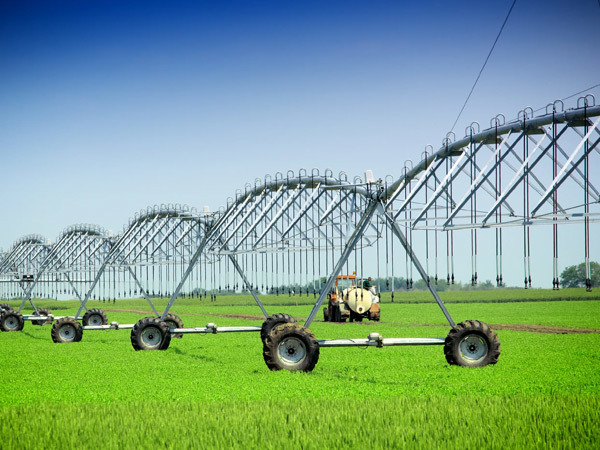
A high-tech enterprise specializing in large-scale sprinkler irrigation and water and fertilizer integration


How Centrifugal Filters Enhance Product Quality in Industrial Settings
Release time:
Aug 29,2026
How Centrifugal Filters Enhance Product Quality in Industrial Settings Table of Contents Introduction to Centrifugal Filters and Their Importance What Are Centrifugal Filters? How Do Centrifugal Filters Work? Key Benefits of Using Centrifugal Filters Applications of Centrifugal Filters in Industrial Settings Choosing the Right Centrifugal Filter for Your Needs Maintenance and Care f
How Centrifugal Filters Enhance Product Quality in Industrial Settings
Table of Contents
- Introduction to Centrifugal Filters and Their Importance
- What Are Centrifugal Filters?
- How Do Centrifugal Filters Work?
- Key Benefits of Using Centrifugal Filters
- Applications of Centrifugal Filters in Industrial Settings
- Choosing the Right Centrifugal Filter for Your Needs
- Maintenance and Care for Optimal Performance
- Case Studies: Success Stories Using Centrifugal Filters
- The Future of Centrifugal Filters in Industry
- Conclusion
- Frequently Asked Questions
Introduction to Centrifugal Filters and Their Importance
Centrifugal filters play a crucial role in enhancing product quality across various industrial settings. As industries strive for higher efficiency and reduced waste, the implementation of advanced filtration systems has become essential. This article delves into the specific contributions of centrifugal filters to product quality, operational efficiency, and overall profitability.
What Are Centrifugal Filters?
Centrifugal filters are specialized devices designed to separate solid particles from liquids. Utilizing centrifugal force, these filters effectively remove contaminants, thereby ensuring the purity of the final product. They are commonly used in sectors such as food and beverage, pharmaceuticals, and wastewater treatment, where maintaining high standards of cleanliness is paramount.
Types of Centrifugal Filters
Understanding the different types of centrifugal filters can aid in selecting the right one for your industrial needs. The primary types include:
- **Continuous Flow Filters**: Ideal for processes requiring uninterrupted operation, these filters continuously remove solids as liquids flow through.
- **Batch Filters**: Suitable for smaller volumes, batch filters are used for applications where periodic cleaning is acceptable.
- **Self-Cleaning Filters**: These filters automatically remove accumulated solids, minimizing downtime and maintenance efforts.
How Do Centrifugal Filters Work?
The operation of centrifugal filters is grounded in the principles of centrifugal force. When a mixture of liquid and solids is introduced into the filter, it is spun at high speeds. This spinning action exerts a force on the particles, causing the denser solids to move outward and settle against the filter wall. The clarified liquid then exits through a separate outlet.
Process Overview
1. **Feed Input**: The liquid mixture is fed into the filter.
2. **Centrifugation**: The filter spins, generating centrifugal force.
3. **Solid Separation**: Solids are forced to the wall while the liquid remains in the center.
4. **Discharge**: The clarified liquid is discharged, and solids are removed periodically.
Key Benefits of Using Centrifugal Filters
Implementing centrifugal filters in industrial processes offers several advantages that directly contribute to product quality:
1. Improved Purity of Products
By effectively removing solid contaminants, centrifugal filters ensure that the final products meet stringent quality standards. This is especially crucial in industries like pharmaceuticals and food processing, where even minimal contamination can lead to significant issues.
2. Enhanced Operational Efficiency
Centrifugal filters operate continuously, which minimizes downtime associated with manual cleaning or replacement of filter media. This continuous operation leads to increased productivity and better resource utilization.
3. Reduction of Waste and Costs
With efficient filtration, manufacturers can reduce waste associated with rejected products due to contamination. This not only lowers material costs but also enhances profitability.
4. Versatility in Applications
Centrifugal filters can be adapted to various processes and industries, making them a versatile choice for manufacturers looking to streamline operations without sacrificing quality.
Applications of Centrifugal Filters in Industrial Settings
Several industries have successfully integrated centrifugal filters into their processes. Here are some prominent applications:
Food and Beverage Industry
In the food and beverage sector, centrifugal filters are used to clarify liquids, such as juices and wines, by removing pulp and sediment. This ensures a clean and appealing product for consumers.
Pharmaceutical Manufacturing
Centrifugal filters are vital in pharmaceutical production, where they help maintain the sterility and purity of active ingredients. This application is crucial for compliance with regulatory standards.
Wastewater Treatment
In wastewater treatment facilities, centrifugal filters effectively remove solids from effluent streams, enhancing the quality of water before it is released into the environment.
Chemical Processing
Chemical manufacturers utilize centrifugal filters to separate solid catalysts from liquid products, thereby improving the quality and yield of chemical reactions.
Choosing the Right Centrifugal Filter for Your Needs
Selecting the appropriate centrifugal filter involves several considerations:
1. Flow Rate Requirements
Determine the required flow rate for your application. High-flow applications may necessitate larger, more powerful filters.
2. Particle Size
Understand the size and type of solids you need to remove. Different filters are designed for varying particle sizes.
3. Material Compatibility
Ensure that the materials used in the filter construction are compatible with the liquids being processed to avoid contamination or degradation.
4. Maintenance Needs
Consider the maintenance requirements of the filter. Opt for models that offer ease of cleaning and low maintenance costs.
Maintenance and Care for Optimal Performance
Proper maintenance is critical for ensuring that centrifugal filters operate efficiently and effectively:
1. Regular Inspections
Conduct regular inspections to identify wear and tear or potential issues before they escalate.
2. Cleaning Protocols
Establish a routine cleaning schedule based on your application and the level of contaminants processed. This will prolong the life of the filter.
3. Monitoring Performance
Keep track of the filter's performance metrics, such as flow rates and pressure drops, to identify any changes that may indicate a need for maintenance or replacement.
Case Studies: Success Stories Using Centrifugal Filters
Several companies have reported significant improvements in product quality and operational efficiency after integrating centrifugal filters into their processes:
Case Study 1: Beverage Manufacturer
A leading beverage manufacturer implemented centrifugal filters to clarify its fruit juices. As a result, they achieved higher product purity and reduced waste by 30%.
Case Study 2: Pharmaceutical Company
A pharmaceutical company used centrifugal filters to improve the purity of its active ingredients, leading to a 25% increase in production efficiency and enhanced compliance with regulatory standards.
The Future of Centrifugal Filters in Industry
As industries continue to evolve, the role of centrifugal filters is likely to become even more significant. Innovations in materials and technology promise to enhance filtration efficiency and adaptability, making centrifugal filters an integral part of sustainable and efficient manufacturing processes.
Conclusion
Centrifugal filters represent a vital technology in enhancing product quality across various industrial sectors. Their ability to remove contaminants efficiently translates into improved purity, operational efficiency, and cost savings. By selecting the right centrifugal filter and adhering to proper maintenance protocols, manufacturers can leverage this technology to achieve higher standards in product quality and process efficiency.
Frequently Asked Questions
1. What types of liquids can be processed with centrifugal filters?
Centrifugal filters can process a wide range of liquids, including water, oils, juices, and chemical solutions, depending on the filter design.
2. How often do centrifugal filters need to be cleaned?
Cleaning frequency varies based on the application and level of contamination, but regular maintenance is essential for optimal performance.
3. Can centrifugal filters handle high-viscosity liquids?
Yes, some centrifugal filters are specifically designed to handle high-viscosity liquids, but it is essential to select the right model based on the specific requirements.
4. Are centrifugal filters energy-efficient?
Centrifugal filters can be energy-efficient, especially compared to traditional filtration methods, due to their continuous operation and reduced need for manual intervention.
5. What are the common materials used in centrifugal filter construction?
Common materials include stainless steel, plastic, and specialized alloys, chosen based on the compatibility with the processed liquids and the operating environment.
Learn more about industry dynamics


New customers enjoy 10% product discount
PRODUCT CENTER
CONTACT US
Address: 2-1-2301, Phoenix International Plaza, High-tech Zone, Jinan City, Shandong Province
Quality of service to win customer satisfaction


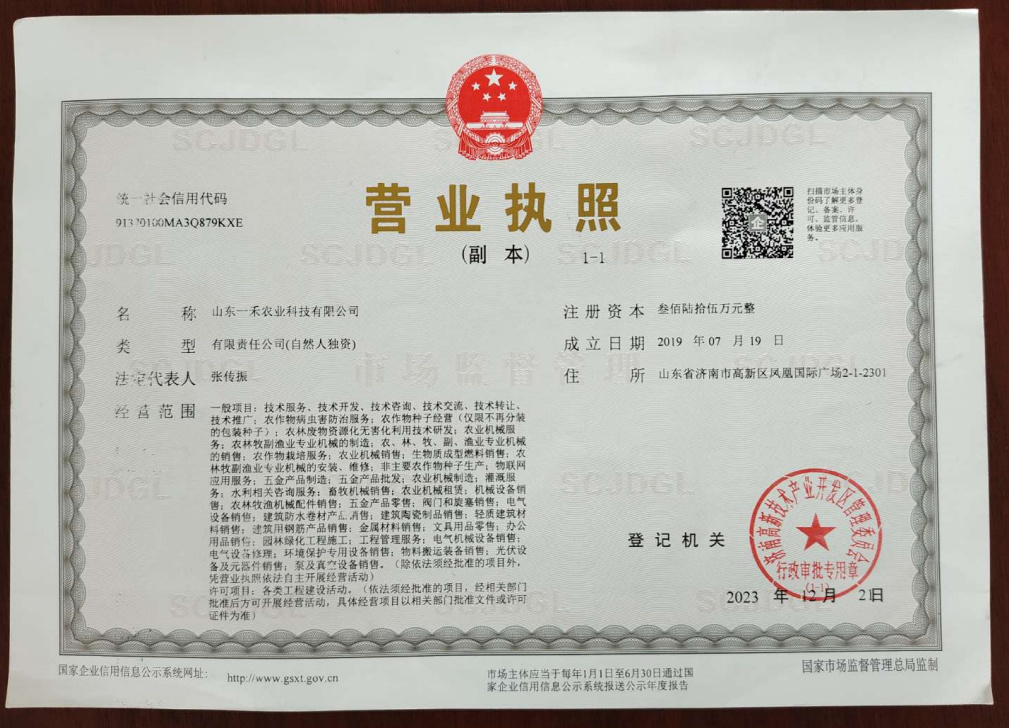
Shandong Yihe Agricultural Technology Co., Ltd. (Shandong Kewo Water-Saving Irrigation Equipment Co., Ltd.)