A high-tech enterprise specializing in large-scale sprinkler irrigation and water and fertilizer integration


How to Optimize Your Farm's Water Use with Electric Center Pivot Irrigation
Release time:
Sep 10,2026
How to Optimize Your Farm's Water Use with Electric Center Pivot Irrigation Introduction to Electric Center Pivot Irrigation In the ever-evolving world of agriculture, efficient water management is crucial to maximizing crop yields and minimizing costs. **Electric center pivot irrigation** stands out as a revolutionary solution for farmers aiming to enhance their irrigation practices. By understan
How to Optimize Your Farm's Water Use with Electric Center Pivot Irrigation
Introduction to Electric Center Pivot Irrigation
In the ever-evolving world of agriculture, efficient water management is crucial to maximizing crop yields and minimizing costs. **Electric center pivot irrigation** stands out as a revolutionary solution for farmers aiming to enhance their irrigation practices. By understanding how to leverage this technology, we can ensure sustainable water use while fostering healthy crop growth.
The Importance of Water Efficiency in Agriculture
Water scarcity is an escalating concern worldwide, particularly in agricultural sectors. **Optimizing water use** not only conserves this vital resource but also improves the economic viability of farming operations. Implementing efficient irrigation strategies can lead to:
- **Increased crop yields**: Adequate and timely watering promotes optimal growth.
- **Reduced water costs**: Efficient systems minimize waste and lower utility bills.
- **Sustainable practices**: Conserving water aligns with environmental stewardship.
Understanding Electric Center Pivot Irrigation Systems
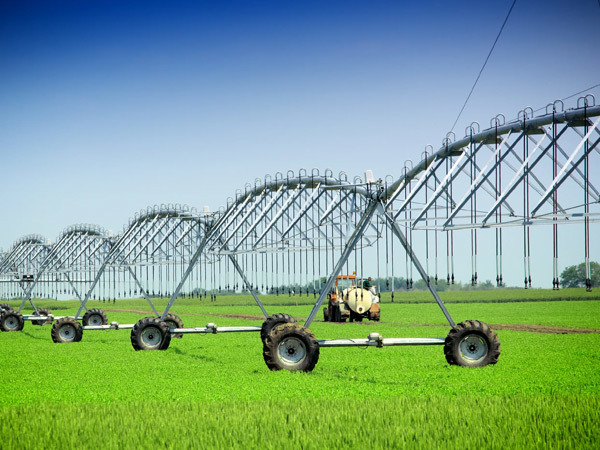
Electric center pivot irrigation systems are mechanized setups that deliver water uniformly across a wide area. These systems consist of a rotating framework of connected pipes that move in a circular pattern around a central pivot point. Here’s what makes them effective:
Components of Electric Center Pivot Systems
1. **Pivot Point**: The central location from which the system rotates.
2. **Span**: The length of the irrigation arm, which can vary based on farm size.
3. **Wheels**: Allow mobility along the pivot path.
4. **Nozzles**: Distribute water evenly across the crop area.
5. **Control Panel**: Enables easy operation and monitoring of the system.
How Electric Center Pivot Irrigation Works
Electric center pivot systems operate by utilizing an electric motor to move the irrigation spans. Water is pumped from a source, often a well or reservoir, and then travels through the pivot system. The nozzles release water at predetermined rates to ensure even coverage, promoting uniform crop growth and reducing water consumption.
Benefits of Electric Center Pivot Irrigation
Implementing electric center pivot irrigation offers numerous benefits that can significantly impact your farming operation:
1. Precision Water Application
Electric systems allow for precise control over water delivery, ensuring that each crop receives the optimal amount of moisture. This precision leads to improved crop health and yields.
2. Labor Efficiency
Automated systems reduce the need for manual labor in irrigation tasks, allowing farmers to allocate resources to other critical areas.
3. Flexibility and Scalability
Electric center pivots can be adapted to various field sizes and configurations, making them suitable for diverse farming operations. Whether you manage a small farm or a large agricultural enterprise, these systems can scale accordingly.
4. Environmental Benefits
By minimizing water runoff and evaporation, electric center pivot systems contribute to better water conservation. This environmentally friendly approach aligns with sustainable farming practices.
Optimizing Water Use with Electric Center Pivot Systems
To fully harness the potential of electric center pivot irrigation, implementing best practices is essential. Here are key strategies to optimize water use:
1. Regular System Maintenance
Routine maintenance is vital to ensure the efficiency of your irrigation system. Key maintenance tasks include:
- Checking for leaks in pipes and nozzles.
- Calibrating nozzles to maintain appropriate water flow rates.
- Cleaning filters to prevent clogging.
2. Smart Irrigation Technology
Incorporating technology such as **soil moisture sensors** and irrigation management software can greatly enhance water efficiency. These tools provide real-time data, allowing for data-driven irrigation scheduling.
Choosing the Right Technology
Investing in smart technologies can lead to substantial long-term savings. Look for systems that integrate with your existing electric center pivot to streamline operations.
3. Implementing Variable Rate Irrigation (VRI)
Variable Rate Irrigation allows farmers to customize water application rates based on specific field conditions. This adaptability minimizes waste and maximizes efficiency, particularly in fields with varying soil types and moisture levels.
Installation Considerations for Electric Center Pivot Irrigation
Successful installation is critical to the effectiveness of electric center pivot systems. Here are steps to ensure a seamless setup:
1. Site Assessment
Conduct a thorough assessment of your field to determine the best layout for the pivot system. Factors to consider include:
- Field size and shape.
- Existing infrastructure, such as roads and drainage systems.
- Water source and quality.
2. Choosing the Right Equipment
Selecting the appropriate pivot system requires careful consideration of various factors, including:
- **Span length**: Choose a span that fits your field size.
- **Nozzle type**: Ensure that the nozzles are suitable for your crop type and soil conditions.
- **Motor size**: Align the motor's capacity with your power supply and water requirements.
3. Professional Installation
While some farmers may opt for DIY installations, hiring professionals with expertise in electric center pivot systems can ensure optimal performance and longevity.
Maintenance and Troubleshooting for Electric Center Pivot Irrigation
To protect your investment and ensure the longevity of your electric center pivot irrigation system, follow these maintenance tips:
1. Routine Inspections
Conduct regular inspections to identify potential issues before they escalate. Look for:
- Signs of wear or damage on components.
- Proper functioning of controls and sensors.
- Consistent water distribution across fields.
2. Troubleshooting Common Issues
Familiarize yourself with common problems that may arise, such as:
- Uneven water distribution: Check for clogged nozzles or damaged pipes.
- Electrical malfunctions: Inspect wiring and connections.
- Pivot alignment: Ensure the system is properly aligned to minimize wear and maximize efficiency.
Frequently Asked Questions (FAQs)
1. What are the primary advantages of electric center pivot irrigation over traditional methods?
Electric center pivot systems provide precise water distribution, reduce labor costs, and enhance water conservation compared to traditional irrigation techniques.
2. How can I determine the right size electric center pivot system for my farm?
Conduct a field assessment and consult with irrigation experts to select a system tailored to your specific field dimensions and crop requirements.
3. What maintenance is required for electric center pivot irrigation systems?
Regular maintenance includes checking for leaks, cleaning filters, and calibrating nozzles to ensure optimal performance.
4. Can electric center pivot systems be integrated with smart technology?
Yes, smart irrigation technologies, such as soil moisture sensors and irrigation management software, can be integrated with electric center pivot systems for enhanced efficiency.
5. How do I troubleshoot uneven water distribution in my pivot system?
Inspect nozzles for clogs, check for leaks in piping, and assess motor function and alignment to correct distribution issues.
Conclusion
Electric center pivot irrigation systems present a game-changing opportunity for modern agriculture. By optimizing water use through precision application, advanced technology, and proper maintenance, farmers can achieve greater yields while conserving valuable resources. Embracing these practices not only contributes to the sustainability of farming operations but also supports the broader goal of environmental stewardship. As we continue to navigate the challenges of agriculture in a changing climate, investing in efficient irrigation solutions is more important than ever.
Learn more about industry dynamics


New customers enjoy 10% product discount
PRODUCT CENTER
CONTACT US
Address: 2-1-2301, Phoenix International Plaza, High-tech Zone, Jinan City, Shandong Province
Quality of service to win customer satisfaction


Shandong Yihe Agricultural Technology Co., Ltd. (Shandong Kewo Water-Saving Irrigation Equipment Co., Ltd.)