A high-tech enterprise specializing in large-scale sprinkler irrigation and water and fertilizer integration


Towable Center Pivot Irrigation vs. Traditional Methods: A Comparative Study
Release time:
Jan 31,2026
Towable Center Pivot Irrigation vs. Traditional Methods: A Comparative Study Table of Contents 1. Introduction to Irrigation Techniques 2. Understanding Towable Center Pivot Irrigation 2.1 Key Features of Towable Center Pivot Irrigation 2.2 Advantages of Towable Center Pivot Irrigation 2.3 Disadvantages of Towable Center Pivot Irrigation
Towable Center Pivot Irrigation vs. Traditional Methods: A Comparative Study
Table of Contents
- 1. Introduction to Irrigation Techniques
- 2. Understanding Towable Center Pivot Irrigation
- 3. Overview of Traditional Irrigation Methods
- 4. Comparative Analysis: Towable Center Pivot vs. Traditional Methods
- 5. Case Studies: Real-World Applications
- 6. The Future of Irrigation Methods
- 7. Frequently Asked Questions
- 8. Conclusion
1. Introduction to Irrigation Techniques
Irrigation plays a pivotal role in modern agriculture, enabling farmers to optimize water usage and enhance crop productivity. With the advent of advanced technologies, various irrigation methods have emerged, each tailored to meet specific agricultural needs. In this article, we will conduct a comprehensive comparative study between **Towable Center Pivot Irrigation** and **traditional irrigation methods**, highlighting their respective advantages and disadvantages.
2. Understanding Towable Center Pivot Irrigation
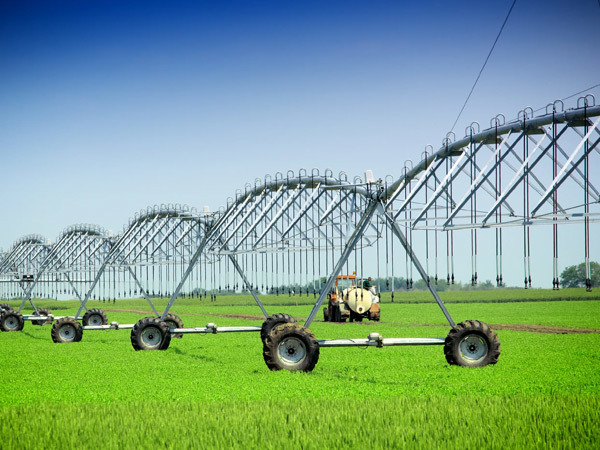
Towable Center Pivot Irrigation is an innovative agricultural method that employs rotating sprinklers mounted on wheeled towers. This system efficiently distributes water across large fields, making it particularly popular in regions where water resources are scarce.
2.1 Key Features of Towable Center Pivot Irrigation
Towable Center Pivot Irrigation systems feature several key components:
- **Pivot Point**: This is the central axis around which the entire system rotates.
- **Sprinkler Heads**: These are strategically placed along the length of the pivot to ensure even water distribution.
- **Control Panels**: Users can set up irrigation schedules and monitor water application rates through automated systems.
2.2 Advantages of Towable Center Pivot Irrigation
The benefits of Towable Center Pivot Irrigation include:
- **Water Efficiency**: This system minimizes water wastage by delivering water directly to the root zone of plants.
- **Labor Reduction**: Automated operation decreases the need for manual labor.
- **Scalability**: The system can be easily expanded to accommodate larger fields.
2.3 Disadvantages of Towable Center Pivot Irrigation
Despite its advantages, Towable Center Pivot Irrigation has some drawbacks:
- **Initial Cost**: The investment in technology and infrastructure can be significant.
- **Not Suitable for All Crops**: Some crops may require specific watering techniques that this method does not provide.
3. Overview of Traditional Irrigation Methods
Traditional irrigation methods encompass a variety of techniques that have been used for centuries. These methods include surface irrigation, drip irrigation, and flood irrigation, each of which has its own set of principles and applications.
3.1 Surface Irrigation
Surface irrigation involves applying water directly to the soil surface, allowing it to flow across the field by gravity. This technique is widely used in flood-prone areas and is relatively straightforward to implement.
3.2 Drip Irrigation
Drip irrigation is a more precise method, delivering water directly to the plant roots through a network of pipes and emitters. This technique is particularly effective for high-value crops and in arid regions.
3.3 Flood Irrigation
Flood irrigation inundates the entire field with water, allowing it to soak into the soil. While it is effective for certain crops, this method can lead to waterlogging and inefficient water use.
4. Comparative Analysis: Towable Center Pivot vs. Traditional Methods
When comparing Towable Center Pivot Irrigation with traditional methods, we need to assess several critical factors.
4.1 Water Efficiency
Towable Center Pivot Irrigation typically boasts higher water efficiency rates compared to traditional methods. This is primarily due to its targeted application and reduced evaporation losses. Traditional methods, especially surface irrigation, often result in significant water loss.
4.2 Cost-Effectiveness
Although Towable Center Pivot systems have higher initial costs, they tend to offer better long-term savings through reduced water bills and labor costs. Traditional methods can be cheaper upfront but may lead to higher operational costs over time due to inefficiencies.
4.3 Labor Requirements
Towable Center Pivot Irrigation requires minimal labor once installed, as it can be automated. In contrast, traditional methods often demand continuous oversight and manual operation, increasing labor costs.
5. Case Studies: Real-World Applications
Examining real-world applications of both irrigation methods highlights their effectiveness in various scenarios. For instance, farms utilizing Towable Center Pivot systems in arid environments have reported increased yields and reduced water usage. Conversely, traditional methods have proven beneficial in small-scale farming where labor is readily available.
6. The Future of Irrigation Methods
As agricultural demands grow, the future of irrigation will likely revolve around enhancing efficiency and sustainability. Innovations in Towable Center Pivot technology, such as remote monitoring and smart irrigation systems, may further minimize water use. Traditional methods may evolve as well, integrating modern technologies to improve efficiency.
7. Frequently Asked Questions
1. What is the primary advantage of Towable Center Pivot Irrigation?
**The primary advantage is its water efficiency**, allowing for precise application and reduced evaporation losses.
2. Are traditional irrigation methods still effective?
**Yes, traditional methods can be effective**, particularly for small-scale farming and specific crop types requiring unique watering techniques.
3. What is the estimated cost of a Towable Center Pivot system?
**Costs can vary significantly**, but initial investments typically range from $20,000 to $100,000, depending on the system's size and technology.
4. How does labor requirement differ between these methods?
**Towable Center Pivot Irrigation requires significantly less labor** due to automation, while traditional methods often need continuous manual oversight.
5. Can Towable Center Pivot Irrigation be used for all crop types?
**No, it is not suitable for all crops**, as some may require different watering techniques or irrigation strategies.
8. Conclusion
In conclusion, both Towable Center Pivot Irrigation and traditional irrigation methods have distinct advantages and disadvantages. While Towable Center Pivot systems offer enhanced water efficiency and reduced labor costs, traditional methods can still be effective in certain farming scenarios. The choice between these methods ultimately depends on factors such as crop types, field sizes, and available resources. As technology continues to evolve, the future of irrigation will likely favor systems that optimize water use and sustainability, ensuring continued agricultural productivity in an ever-changing environment.
Learn more about industry dynamics


New customers enjoy 10% product discount
PRODUCT CENTER
CONTACT US
Address: 2-1-2301, Phoenix International Plaza, High-tech Zone, Jinan City, Shandong Province
Quality of service to win customer satisfaction


Shandong Yihe Agricultural Technology Co., Ltd. (Shandong Kewo Water-Saving Irrigation Equipment Co., Ltd.)