A high-tech enterprise specializing in large-scale sprinkler irrigation and water and fertilizer integration


The Impact of Pointer Type Sprinkler Irrigation on Sustainable Agriculture: A Comprehensive Analysis
Release time:
Jan 24,2026
The Impact of Pointer Type Sprinkler Irrigation on Sustainable Agriculture Table of Contents 1. Introduction 2. Understanding Pointer Type Sprinkler Irrigation 2.1 What is Pointer Type Sprinkler Irrigation? 2.2 How Pointer Type Sprinkler Systems Work 3. Benefits of Pointer Type Sprinkler Irrigation 3.1 Water Conservation and Efficiency 3.2 Enhanced Crop Yield and Quality 4. Environmental Impact of
The Impact of Pointer Type Sprinkler Irrigation on Sustainable Agriculture
Table of Contents
1. Introduction
2. Understanding Pointer Type Sprinkler Irrigation
2.1 What is Pointer Type Sprinkler Irrigation?
2.2 How Pointer Type Sprinkler Systems Work
3. Benefits of Pointer Type Sprinkler Irrigation
3.1 Water Conservation and Efficiency
3.2 Enhanced Crop Yield and Quality
4. Environmental Impact of Pointer Type Sprinkler Irrigation
4.1 Soil Health and Nutrient Management
4.2 Reducing Soil Erosion and Runoff
5. Challenges in Implementing Pointer Type Sprinkler Irrigation
5.1 Initial Investment and Maintenance Costs
5.2 Technical Knowledge and Training Requirements
6. Future Prospects of Pointer Type Sprinkler Irrigation
6.1 Technological Innovations and Advancements
6.2 Integration with Other Sustainable Agricultural Practices
7. Conclusion
8. Frequently Asked Questions (FAQs)
1. Introduction
Sustainable agriculture is a critical aspect of ensuring food security while maintaining environmental health. Among the myriad of innovative techniques employed in modern farming, **pointer type sprinkler irrigation** stands out as a game-changer. This method not only optimizes water usage but also enhances crop production, thereby contributing to overall sustainability in agriculture. In this article, we delve into the various dimensions of pointer type sprinkler irrigation, exploring its functionality, benefits, challenges, and future prospects.
2. Understanding Pointer Type Sprinkler Irrigation
2.1 What is Pointer Type Sprinkler Irrigation?
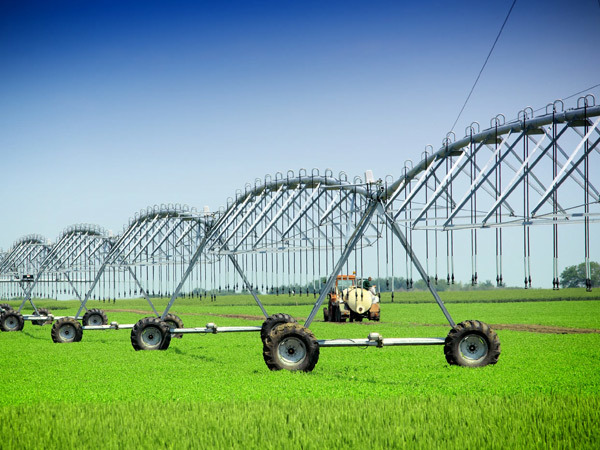
Pointer type sprinkler irrigation is a sophisticated watering technique that involves the use of mechanical sprinklers mounted on a mobile base. These systems are designed to distribute water evenly across the agricultural fields, ensuring that every plant receives adequate hydration. Unlike traditional irrigation methods, pointer type systems operate on a defined schedule and are capable of adjusting the water output based on real-time environmental conditions.
2.2 How Pointer Type Sprinkler Systems Work
The functionality of pointer type sprinkler irrigation is centered around advanced technology. These systems utilize sensors and timers to monitor soil moisture levels and weather conditions. When the soil moisture drops below a preset threshold, the system activates, delivering water directly to the root zones of crops. This targeted approach minimizes water wastage and promotes efficient water usage, which is crucial for sustainable agriculture.
3. Benefits of Pointer Type Sprinkler Irrigation
3.1 Water Conservation and Efficiency
One of the foremost benefits of pointer type sprinkler irrigation is its ability to conserve water. Traditional irrigation methods often lead to significant water loss through evaporation and runoff. In contrast, the precision of pointer type systems ensures that water is applied directly to the plants, reducing wastage and promoting efficient use of this vital resource. Studies have shown that farms using pointer type irrigation can save up to 30% more water compared to conventional methods.
3.2 Enhanced Crop Yield and Quality
With improved water management comes the potential for higher crop yields. Pointer type sprinkler systems deliver consistent moisture levels, which are essential for optimal plant growth. This uniformity not only enhances the quality of crops but also increases their resilience to pests and diseases. Farmers who have implemented these systems report a notable increase in both the quantity and quality of their produce.
4. Environmental Impact of Pointer Type Sprinkler Irrigation
4.1 Soil Health and Nutrient Management
Sustainable agriculture goes hand in hand with maintaining soil health. Pointer type irrigation systems can significantly contribute to nutrient management by preventing nutrient leaching and promoting even distribution of fertilizers. This method allows farmers to apply nutrients more efficiently, enhancing soil fertility and supporting long-term agricultural productivity.
4.2 Reducing Soil Erosion and Runoff
Excessive water application can lead to soil erosion and nutrient runoff, harming the surrounding environment. Pointer type sprinkler irrigation minimizes these risks by providing water directly to the plants and reducing the amount of water that flows over the soil surface. This targeted approach not only protects the soil structure but also preserves local waterways from agricultural runoff.
5. Challenges in Implementing Pointer Type Sprinkler Irrigation
5.1 Initial Investment and Maintenance Costs
While the benefits of pointer type sprinkler irrigation are significant, the initial investment can be a barrier for many farmers. The cost of purchasing and installing these systems can be high, particularly for smallholder farmers. Additionally, ongoing maintenance and repairs may add to the overall expenses, making it essential for farmers to weigh the long-term benefits against upfront costs.
5.2 Technical Knowledge and Training Requirements
The effective implementation of pointer type sprinkler systems requires a certain level of technical knowledge. Farmers must be trained in system operation, maintenance, and troubleshooting. This training aspect can pose a challenge, especially in regions where access to agricultural education and resources is limited.
6. Future Prospects of Pointer Type Sprinkler Irrigation
6.1 Technological Innovations and Advancements
The future of pointer type sprinkler irrigation looks promising, with ongoing advancements in technology. Innovations such as smart irrigation systems, which integrate IoT and AI for real-time monitoring and adjustments, are becoming more prevalent. These technologies will further enhance the efficiency and effectiveness of irrigation practices in sustainable agriculture.
6.2 Integration with Other Sustainable Agricultural Practices
The integration of pointer type sprinkler irrigation with other sustainable practices, such as cover cropping and organic farming, can create a synergistic effect that maximizes agricultural productivity while minimizing environmental impact. As farmers increasingly adopt holistic approaches to farming, the role of efficient irrigation systems will become even more critical.
7. Conclusion
Pointer type sprinkler irrigation represents a significant advancement in sustainable agricultural practices. By optimizing water usage, enhancing crop yield, and reducing environmental impacts, these systems are paving the way for a more sustainable future in agriculture. While challenges such as initial costs and the need for technical training exist, the long-term benefits of adopting pointer type systems are undeniable. As technological advancements continue to emerge, we can expect even greater improvements in irrigation efficiency, contributing to global food security and environmental sustainability.
8. Frequently Asked Questions (FAQs)
1. What are the main advantages of pointer type sprinkler irrigation?
Pointer type sprinkler irrigation offers water conservation, improved crop yields, and enhanced soil health, making it a highly efficient watering method for sustainable agriculture.
2. How does pointer type irrigation compare to traditional irrigation methods?
Pointer type irrigation provides more precise water application, reducing wastage and promoting better crop health compared to traditional methods that often lead to overwatering or under-watering.
3. Are there any disadvantages to using pointer type sprinkler systems?
The main disadvantages include high initial costs and the necessity for technical knowledge and training to operate and maintain the systems effectively.
4. Can pointer type sprinkler irrigation be used for all types of crops?
Yes, pointer type sprinkler irrigation can be adapted to various crops, but farmers should consider the specific water requirements and growth patterns of their plants.
5. What is the future outlook for pointer type sprinkler irrigation in sustainable agriculture?
The future looks bright, with ongoing technological advancements and growing awareness of sustainable practices, making pointer type sprinkler irrigation a cornerstone of efficient and responsible farming.
Learn more about industry dynamics


New customers enjoy 10% product discount
PRODUCT CENTER
CONTACT US
Address: 2-1-2301, Phoenix International Plaza, High-tech Zone, Jinan City, Shandong Province
Quality of service to win customer satisfaction


Shandong Yihe Agricultural Technology Co., Ltd. (Shandong Kewo Water-Saving Irrigation Equipment Co., Ltd.)