A high-tech enterprise specializing in large-scale sprinkler irrigation and water and fertilizer integration


A Comprehensive Guide to Pointer Type Sprinkler Irrigation Systems: Maximizing Efficiency and Productivity
Release time:
Jan 12,2026
A Comprehensive Guide to Pointer Type Sprinkler Irrigation Systems Irrigation is a crucial component of successful agriculture, especially in areas where water scarcity can hinder crop production. Among various irrigation methods, pointer type sprinkler irrigation systems have emerged as a popular choice for many farmers. This comprehensive guide delves into the specifics of pointer type sprinkler
A Comprehensive Guide to Pointer Type Sprinkler Irrigation Systems
Irrigation is a crucial component of successful agriculture, especially in areas where water scarcity can hinder crop production. Among various irrigation methods, pointer type sprinkler irrigation systems have emerged as a popular choice for many farmers. This comprehensive guide delves into the specifics of pointer type sprinkler irrigation systems, covering everything from their components and benefits to installation and maintenance practices.
Understanding Pointer Type Sprinkler Irrigation Systems
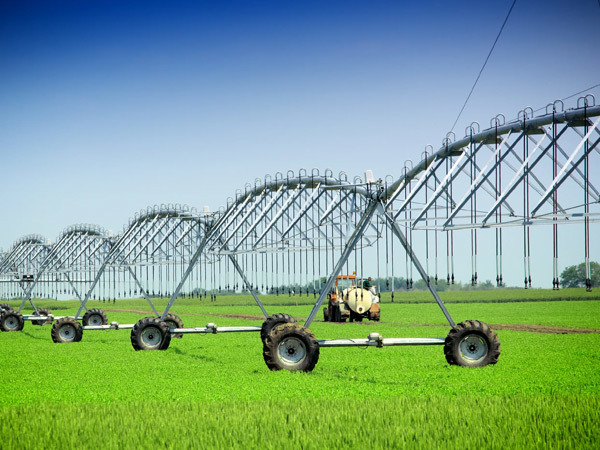
Pointer type sprinkler irrigation systems utilize a series of rotating nozzles to distribute water evenly over a designated area. Unlike traditional irrigation methods, which may lead to uneven watering, these systems ensure that every part of the field receives adequate moisture.
Key Components of Pointer Type Sprinkler Systems
To effectively use a pointer type sprinkler irrigation system, it's essential to understand its core components:
- Sprinkler Heads: The primary element that dispenses water, typically adjustable to control the spray pattern and distance.
- Control Valves: These regulate water flow to different sections of the field, enabling farmers to customize irrigation schedules based on crop needs.
- Pipes and Fittings: A network of pipes delivers water from the source to the sprinklers, with fittings ensuring tight connections to prevent leaks.
- Water Source: Whether it’s a well, reservoir, or municipal supply, the water source is crucial for sustaining irrigation practices.
- Timer and Sensors: Automated systems can include timers and moisture sensors that help optimize water usage and ensure timely irrigation.
Types of Pointer Type Sprinkler Systems
Pointer type sprinkler systems come in various configurations, each designed for different agricultural needs. Here are some common types:
Fixed Sprinklers
Fixed sprinklers are stationary and designed to cover a specific radius. They are ideal for smaller fields or gardens where water distribution needs to be precise.
Rotary Sprinklers
Rotary sprinklers rotate to cover larger areas, making them suitable for medium to large fields. They provide even water distribution and can be adjusted based on crop requirements.
Impact Sprinklers
Impact sprinklers utilize a hammer mechanism to create a dynamic spray pattern. They are often used in agricultural setups due to their durability and efficiency.
Benefits of Pointer Type Sprinkler Irrigation Systems
Using pointer type sprinkler irrigation systems offers numerous advantages for farmers:
- Water Efficiency: These systems minimize water wastage through precise application, ensuring crops receive the right amount of moisture.
- Uniform Distribution: Pointer type systems provide even coverage, reducing the risk of dry spots that can negatively impact crop yields.
- Flexibility: Farmers can easily adjust the irrigation schedule and water distribution based on changing weather conditions and crop needs.
- Reduced Labor Costs: Automated systems require less manual intervention, allowing farmers to focus on other critical tasks.
- Sustainability: Efficient water usage contributes to more sustainable agricultural practices, preserving valuable water resources.
Installation of Pointer Type Sprinkler Irrigation Systems
Installing a pointer type sprinkler irrigation system is a multi-step process that requires careful planning and execution. Here’s a step-by-step guide:
Step 1: Assessing Your Land
Before installation, evaluate your land to determine factors like soil type, topography, and crop requirements. This assessment helps in designing a system that meets your specific needs.
Step 2: Designing the Layout
Create a detailed design for your irrigation system, including the location of sprinkler heads, pipes, and control valves. Ensure that the layout allows for optimal coverage while minimizing overlaps and gaps.
Step 3: Selecting Components
Choose high-quality components that suit your design. Consider factors like the type of crop, field size, and available water pressure when selecting sprinkler heads and other materials.
Step 4: Installation Process
Start by laying out the mainline pipes and connecting them to the water source. Follow this by installing lateral lines to connect the sprinkler heads. Use fittings and valves to secure connections and prevent leaks.
Step 5: Testing the System
Once installed, test the system to ensure that all components function correctly. Check for uniform coverage and make adjustments as needed to optimize performance.
Maintenance of Pointer Type Sprinkler Irrigation Systems
Proper maintenance is vital for the longevity and efficiency of your pointer type sprinkler irrigation system. Here are some essential maintenance practices:
Regular Inspections
Conduct regular inspections to check for leaks, clogs, and other potential issues. Early detection can save time and money on repairs.
Cleaning Sprinkler Heads
Over time, sprinkler heads can accumulate dirt and debris. Clean them periodically to maintain proper water flow and distribution.
Winterization
In colder climates, it's essential to winterize your system by draining the pipes and protecting components from freezing temperatures. This step prevents damage and prolongs system life.
Adjusting Water Pressure
Monitor and adjust the water pressure as needed to ensure optimal performance. Proper pressure levels contribute to efficient water distribution and prevent unnecessary wear on components.
Common Challenges with Pointer Type Sprinkler Irrigation Systems
While these systems offer numerous benefits, they may also present some challenges:
Clogged Nozzles
Clogged nozzles can disrupt water flow and affect coverage. Regular cleaning and maintenance can help mitigate this issue.
Poor Water Quality
Water quality can impact system performance. High levels of sediment or minerals may lead to clogs and necessitate additional filtration systems.
Wind Drift
Wind can cause water to drift away from the intended target area, reducing irrigation efficiency. Positioning sprinklers strategically and choosing appropriate spray patterns can help address this concern.
Cost Considerations for Pointer Type Sprinkler Irrigation Systems
Understanding the costs associated with pointer type sprinkler irrigation systems is crucial for budgeting effectively. Here are some factors to consider:
Initial Installation Costs
The upfront costs for materials, labor, and any necessary permits can vary significantly based on the complexity of the system and local pricing. Planning and obtaining multiple quotes can help manage expenses.
Operational Costs
Ongoing operational costs include water bills, electricity for pumps, and maintenance expenses. Monitoring usage and efficiency can help minimize these costs over time.
Return on Investment
Investing in a pointer type sprinkler irrigation system can lead to higher crop yields and better resource management, ultimately providing a favorable return on investment.
The Future of Pointer Type Sprinkler Irrigation Systems
The future of pointer type sprinkler irrigation systems looks promising, with advancements in technology leading to more efficient and user-friendly options. Innovations like smart irrigation systems that utilize sensors and real-time data analytics are set to revolutionize how farmers manage their irrigation practices.
Technological Advancements
Emerging technologies such as IoT (Internet of Things) and AI (Artificial Intelligence) can optimize irrigation schedules based on weather forecasts and soil moisture levels, enhancing efficiency and sustainability.
Environmental Considerations
As sustainability becomes increasingly important in agriculture, pointer type sprinkler systems will likely evolve to incorporate more eco-friendly materials and water-saving technologies.
FAQs about Pointer Type Sprinkler Irrigation Systems
1. How do pointer type sprinkler irrigation systems work?
Pointer type sprinkler irrigation systems use rotating nozzles to distribute water evenly across a field, ensuring that every area receives adequate moisture.
2. What crops are best suited for pointer type sprinkler systems?
These systems are versatile and can be used for a wide range of crops, including vegetables, fruits, and grains, making them suitable for various agricultural applications.
3. How often should I irrigate my crops using this system?
The frequency of irrigation depends on factors such as crop type, soil moisture levels, and weather conditions. Regular monitoring is essential to determine the optimal schedule.
4. Can I automate my pointer type sprinkler system?
Yes, many pointer type systems can be automated using timers and moisture sensors, allowing for more efficient water management.
5. What maintenance is required for these systems?
Regular inspections, cleaning of sprinkler heads, and winterization are key maintenance practices that help ensure the longevity and efficiency of the system.
Conclusion
Pointer type sprinkler irrigation systems represent a significant advancement in agricultural irrigation technology. By providing efficient water distribution, reducing waste, and enhancing crop yields, these systems play a vital role in modern farming practices. Understanding their components, installation, maintenance, and future trends will empower farmers to make informed decisions that align with their agricultural goals. Investing in a pointer type sprinkler irrigation system is not only a step towards increased productivity but also a commitment to sustainable farming practices that benefit both the environment and the economy.
Learn more about industry dynamics


New customers enjoy 10% product discount
PRODUCT CENTER
CONTACT US
Address: 2-1-2301, Phoenix International Plaza, High-tech Zone, Jinan City, Shandong Province
Quality of service to win customer satisfaction


Shandong Yihe Agricultural Technology Co., Ltd. (Shandong Kewo Water-Saving Irrigation Equipment Co., Ltd.)