A high-tech enterprise specializing in large-scale sprinkler irrigation and water and fertilizer integration


Comparing Center Pivot Irrigation with Traditional Farming Methods: A Comprehensive Guide
Release time:
Jan 08,2026
Comparing Center Pivot Irrigation with Traditional Farming Methods Table of Contents 1. Introduction to Irrigation Methods 2. Understanding Center Pivot Irrigation 3. Traditional Farming Methods: An Overview 4. Advantages of Center Pivot Irrigation 5. Disadvantages of Center Pivot Irrigation 6. Advantages of Traditional Farming Methods 7. Disadvantages of Traditional F
Comparing Center Pivot Irrigation with Traditional Farming Methods
Table of Contents
- 1. Introduction to Irrigation Methods
- 2. Understanding Center Pivot Irrigation
- 3. Traditional Farming Methods: An Overview
- 4. Advantages of Center Pivot Irrigation
- 5. Disadvantages of Center Pivot Irrigation
- 6. Advantages of Traditional Farming Methods
- 7. Disadvantages of Traditional Farming Methods
- 8. Which Method is Best for You?
- 9. Frequently Asked Questions
- 10. Conclusion
1. Introduction to Irrigation Methods
The agricultural industry is constantly evolving, seeking innovative solutions to maximize efficiency and productivity. One of the most significant advancements in this regard is the introduction of **center pivot irrigation** systems. This method has revolutionized how crops are irrigated, offering unique advantages over **traditional farming methods**. In this article, we will explore these two irrigation approaches in detail, examining their respective benefits and drawbacks to help farmers determine the best option for their needs.
2. Understanding Center Pivot Irrigation
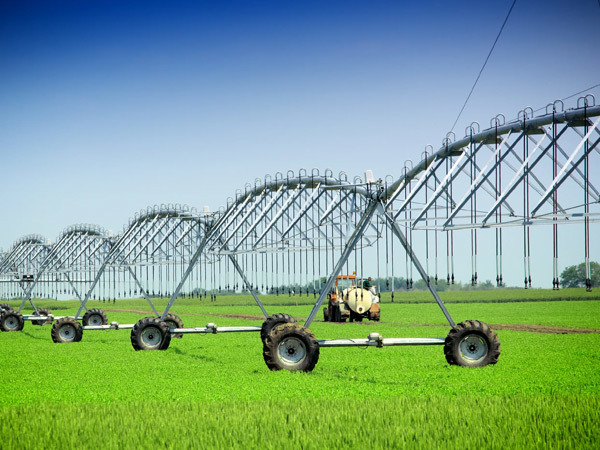
Center pivot irrigation is a mechanized irrigation system consisting of a rotating sprinkler system mounted on wheeled towers. This setup allows for efficient water distribution over large fields. The system pivots around a central point, covering a circular area as it moves.
How Center Pivot Irrigation Works
The operation of a center pivot system is relatively simple. Water is pumped from a source, such as a well or reservoir, to the central pivot point. From there, it travels through a series of pipes along the pivoting arms, where it is sprayed over the crops. This process can be automated and controlled, allowing farmers to customize irrigation schedules and amounts based on specific crop needs.
Types of Center Pivot Systems
There are various types of center pivot systems, including:
- **Standard center pivots**: These are the most common and are used in various crops.
- **Lateral move systems**: These systems move laterally across the field instead of pivoting, ideal for rectangular fields.
- **Subsurface drip systems**: This technology combines center pivot with drip irrigation, delivering water directly to the roots.
3. Traditional Farming Methods: An Overview
Traditional farming methods encompass various irrigation techniques that have been used for centuries. These methods often rely on manual or basic mechanical processes to deliver water to crops.
Common Traditional Irrigation Techniques
1. **Flood irrigation**: Water is allowed to flow over the field, soaking into the soil.
2. **Surface irrigation**: Water is directed to specific rows of crops, allowing for targeted watering.
3. **Drip irrigation**: Water is supplied directly to the base of plants through a network of tubing and emitters.
Limitations of Traditional Methods
While traditional methods are tried and tested, they often come with limitations such as inefficient water use, labor intensity, and vulnerability to weather conditions.
4. Advantages of Center Pivot Irrigation
Center pivot irrigation systems offer numerous advantages that make them an attractive option for modern farmers.
Increased Efficiency
The design of center pivot systems allows for uniform water distribution, reducing waste and ensuring crops receive the correct amount of moisture. This efficiency translates to higher yields and improved crop health.
Labor Savings
Automated center pivot systems require less manual labor compared to traditional methods, allowing farmers to allocate resources more effectively. This is particularly beneficial during peak seasons when labor shortages can be an issue.
Scalability
Center pivot systems can easily be scaled to accommodate varying field sizes and crop types, making them versatile for different farming operations.
Water Conservation
Advanced center pivot systems can incorporate technologies such as soil moisture sensors, which optimize irrigation schedules and reduce overall water usage, promoting sustainable farming practices.
5. Disadvantages of Center Pivot Irrigation
Despite their numerous benefits, center pivot irrigation systems also come with some drawbacks.
High Initial Costs
The initial investment for center pivot systems can be significant, including costs for equipment, installation, and land preparation. This can be a barrier for small-scale farmers.
Maintenance Requirements
Regular maintenance is essential to ensure the system functions effectively. This includes checking for leaks, ensuring proper alignment, and servicing mechanical components.
Soil Compatibility Issues
Not all soil types are suitable for center pivot irrigation. Heavy clay soils, for instance, may impede water infiltration, leading to runoff and erosion.
6. Advantages of Traditional Farming Methods
Traditional farming methods have their own set of advantages that continue to benefit farmers worldwide.
Lower Initial Investment
Traditional methods often require a lower upfront cost, making them accessible for small-scale and family-run farms.
Adaptability to Various Environments
Many traditional irrigation techniques can be adapted to a wide range of environmental conditions and crop types, allowing farmers to modify their approaches based on local circumstances.
Minimal Technology Dependence
Farmers using traditional methods can maintain a level of independence from technology, relying more on their skills and knowledge of the land.
7. Disadvantages of Traditional Farming Methods
While traditional farming methods have their benefits, they also present significant challenges.
Inefficiency
Traditional methods often lead to uneven water distribution, resulting in over- or under-watering of crops. This can adversely affect crop yields and quality.
Labor Intensive
Many traditional irrigation practices require substantial manual labor, which can be unsustainable, particularly in regions facing labor shortages.
Water Waste
Flooding and surface irrigation methods can lead to significant water wastage, which is increasingly concerning in water-scarce regions.
8. Which Method is Best for You?
Choosing between center pivot irrigation and traditional farming methods depends on several factors specific to your farming operation.
Consider Your Budget
Assess your financial capabilities. If you have the resources to invest in modern technology, center pivot systems might offer substantial long-term benefits.
Evaluate Your Land and Crops
Analyze the suitability of your land for both methods. Soil type, crop requirements, and field size will play crucial roles in your decision.
Understand Your Labor Situation
If labor availability is a concern, investing in automated systems may prove advantageous. Conversely, if labor is plentiful, traditional methods may suffice.
9. Frequently Asked Questions
What is the lifespan of a center pivot irrigation system?
Most center pivot systems can last anywhere from 15 to 25 years with proper maintenance.
Can center pivot irrigation be used on hilly terrain?
Yes, while center pivots work best on flat land, they can be designed to operate on gently sloping ground with the right modifications.
How does center pivot irrigation impact soil health?
When managed properly, center pivot irrigation can enhance soil health by promoting even moisture distribution and reducing erosion.
Are there any crops that do not benefit from center pivot irrigation?
Certain crops with specific root structures or moisture requirements may not thrive under a center pivot system, necessitating careful consideration.
What are the environmental impacts of center pivot irrigation?
While center pivot irrigation can promote efficient water use, it may also lead to issues such as salinization if not managed correctly.
10. Conclusion
In conclusion, the choice between center pivot irrigation and traditional farming methods hinges on various factors, including budget, land characteristics, and labor availability. Center pivot irrigation systems offer modern farmers enhanced efficiency and better water management, an increasingly vital aspect of sustainable agriculture. However, traditional methods remain relevant, particularly for those with limited resources or specific environmental considerations. Ultimately, understanding the strengths and weaknesses of each method is crucial in making an informed decision that aligns with your agricultural goals. Whether embracing innovation or continuing time-honored practices, the future of farming depends on thoughtful water management and adaptability to changing conditions.
Learn more about industry dynamics


New customers enjoy 10% product discount
PRODUCT CENTER
CONTACT US
Address: 2-1-2301, Phoenix International Plaza, High-tech Zone, Jinan City, Shandong Province
Quality of service to win customer satisfaction


Shandong Yihe Agricultural Technology Co., Ltd. (Shandong Kewo Water-Saving Irrigation Equipment Co., Ltd.)